Banking, credit and your credit history in the UK: accounts, credit scores and mortgages
How to open a bank account in the UK, how your savings are protected, what a credit file is and how to build a credit history from scratch. Plus credit cards, overdrafts, BNPL, mortgages, sending money to Poland and free help with debt.
Author: AdministratorPublished: 10 min read
This information is awaiting editorial verification

Contents
In short
- To open an account you usually need proof of identity and proof of address. If you can't get a standard account, ask for a basic bank account: no fees and no overdraft.
- Savings in a UK bank, building society or credit union are protected by the FSCS up to £120,000 per person per institution (from 1 December 2025; previously £85,000).
- A credit history from Poland doesn't carry over to the UK automatically. Here you build one from scratch, and the data is held by three agencies: Experian, Equifax and TransUnion.
- You can get your statutory credit report free of charge. You don't need to buy a subscription.
- To get started: join the electoral register, pay your bills on time and use credit sensibly. Arrears, lots of applications at once and court judgments for debt (CCJs) all do damage.
- Since 15 July 2026, most buy now, pay later (BNPL) services have been regulated by the FCA.
- Struggling with debt? Get free advice (StepChange, National Debtline, Citizens Advice). In England and Wales there is also the Breathing Space scheme.
Opening a bank account: documents and your right to a basic account
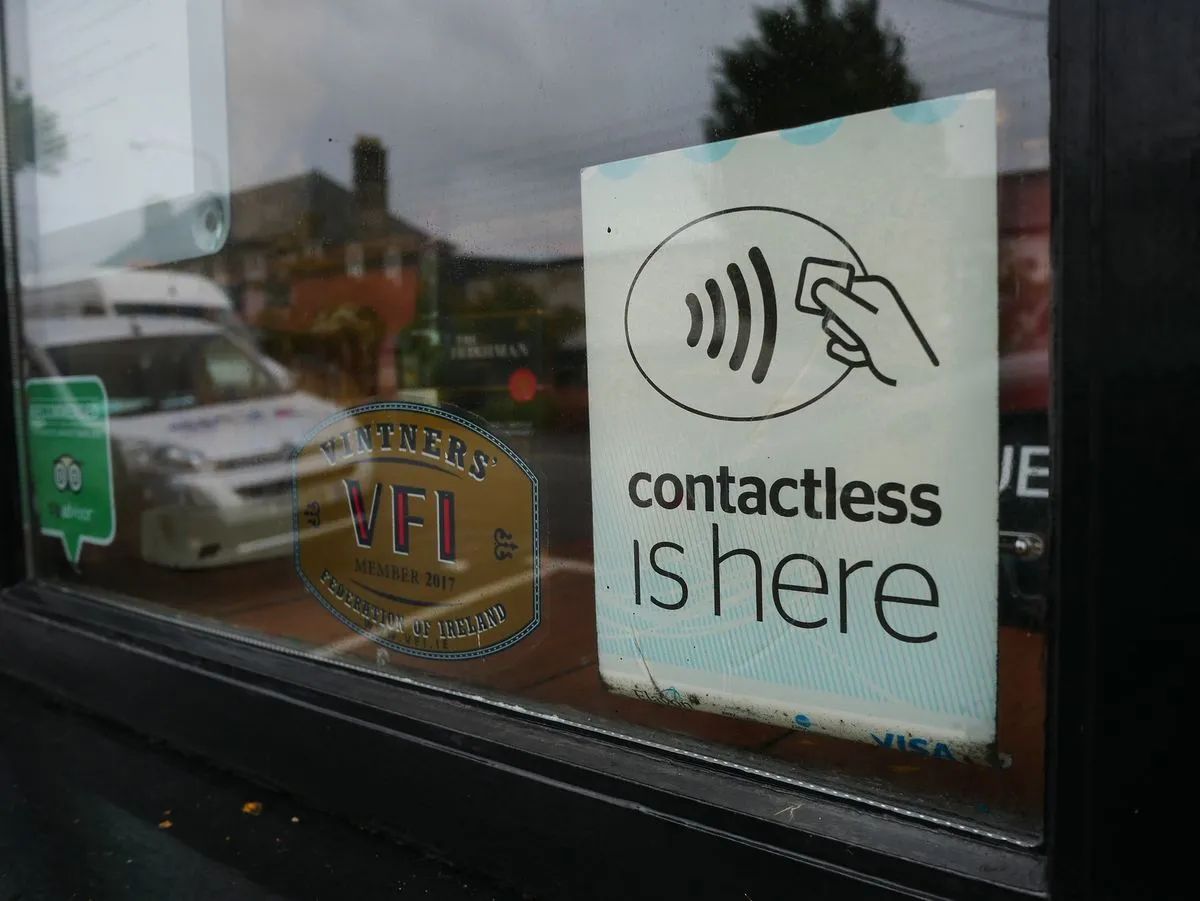
You can open an account in a branch, online or in an app. According to Citizens Advice, banks usually ask for two documents: proof of identity (for example a passport) and proof of address (for example a recent bill). If you don't have these, the bank should accept a letter from a responsible person who knows you, such as your GP, a teacher or a social worker. The basic steps after you arrive are covered in our guide Your first 30 days in the UK.
A basic bank account is for people who can't get a standard account, for example because of a poor credit history or a low income. It usually has no fees and doesn't require an opening deposit. You can have your wages and benefits paid into it, pay by direct debit and withdraw cash. It doesn't come with an overdraft or a chequebook, though. You can get one even if you have old debts or a CCJ.
According to the FCA, the nine largest banks and building societies are legally required to offer these accounts. In 2026 the FCA tested them with mystery shoppers. The result: staff often didn't mention these accounts at all. So ask for a ‘basic bank account’ by name.
A bank can refuse to open an account and doesn't always have to give a reason. It must not discriminate against you, for example because of your ethnic or national origin. If that happens, you can complain to the Financial Ombudsman Service. Someone who needs permission to be in the UK but doesn't have it cannot open an account.
App-based banks and FSCS protection
If a UK-authorised bank, building society or credit union fails, the FSCS (Financial Services Compensation Scheme) will compensate you. According to the FSCS (as of October 2026):
- the limit is £120,000 per person per authorised institution (from 1 December 2025; between 2017 and 2025 it was £85,000),
- for a joint account, the limit applies to each eligible person,
- several brands operating under one banking licence count as one bank, so the limit applies to the total across all your accounts with them,
- temporary high balances, for example after selling a home or from an inheritance, are protected up to £1.4 million for up to 6 months.
Be careful with financial apps. Some are fully fledged banks, but others are electronic money institutions (EMIs) or payment institutions. According to the FCA, money held with EMIs and payment institutions is not protected by the FSCS. It is protected only by what's known as safeguarding. If the firm goes bust, you will usually get most of your money back, but it can take time and you may not get all of it. You can check a firm's status on the FCA's Financial Services Register and with the FSCS Bank & Savings Protection Checker.
Your credit history: what it is and how to check it for free
When you apply for a loan, a card, a phone contract or a mortgage, the company checks your credit file. According to the ICO, there are three main credit reference agencies in the UK: Experian, Equifax and TransUnion. They hold information such as how you repay loans and utility bills, your previous addresses, whether you're on the electoral register, court judgments and bankruptcies. Each lender chooses which agency it uses. That's why your information may look slightly different at each one.
A credit score is a points-based rating. According to Citizens Advice, every lender calculates it using its own system and doesn't have to show it to you. If you ask, though, it must tell you which agency it used. Being turned down by one lender doesn't decide what another will do.
How to check your credit history:
- You have the right to a free copy of your data from each agency. On its website, look for the statutory credit report. The agency usually replies within a month.
- The agencies and their partners also offer free apps and paid subscriptions. The ICO stresses that you don't have to pay for anything. If you start a free trial, cancel before it ends so you aren't charged.
- Found a mistake, such as someone else's debt or an address where you've never lived? Report it to the agency and to the company that supplied the data. If they don't correct an obvious error, you can complain to the ICO. Information usually stays on your file for 6 years.
How to build a credit history from scratch
When you first arrive, UK agencies usually know nothing about you, and having no history also makes it harder to get credit. What you can do:
- Join the electoral register. Agencies use the register to confirm your address. According to GOV.UK, in England and Northern Ireland a Polish citizen can register from the age of 16, provided they have permission to be in the UK or don't need it. In Scotland and Wales you can register from 14. Registering online takes about 5 minutes. Register again every time you move.
- Pay everything on time: rent, utilities, your phone contract, loan repayments. Contracts with phone and broadband companies and energy suppliers also appear on your file.
- Use credit sensibly. Your bank may offer a low-limit card for people with a short history (a credit builder card). Use it for small, regular spending and pay off the full balance every month. Check the APR before you sign: if you leave a balance on the card, the interest builds up quickly.
- Be careful with joint commitments. A joint account or loan links your credit history to the other person's. If you take out a loan or a phone contract in your name for someone else, any missed payments will count against you.
What damages your credit history
- Late or missed payments. If you stop paying for longer, the company may mark the debt as a ‘default’. A default stays visible for years.
- Lots of applications in a short time. According to Citizens Advice, every application leaves a mark on your file. A lender may conclude that you already have a lot of debt or that others have turned you down. Before you apply, compare offers and check your report.
- Court judgments for debt (CCJs). According to GOV.UK, a judgment stays on the register for 6 years unless you pay the full amount within a month. Different rules apply in Scotland.
- Bankruptcy, an IVA, a Debt Relief Order and similar procedures in Scotland.
- Identity fraud. If someone has taken out credit in your name, report it to the company, the agency and the police. How to spot fraud is covered in our guide Scams in the UK: how to spot them and where to report them.
Credit cards, loans, overdrafts and BNPL
APR (Annual Percentage Rate) is the yearly cost of credit. It includes interest and other charges, and the lender must tell you what it is before you sign. APRs are best compared between similar offers for the same amount over the same period. In adverts you will see a representative APR. Under FCA rules, at least 51% of customers must get that rate, so you may be offered a higher one.
A credit card is cheapest when you pay off the full balance every month; if you only pay the minimum, interest builds up quickly. Avoid illegal lenders (loan sharks). If a high street bank turns you down, try your local credit union.
Overdrafts. Since April 2020, under FCA rules, banks can charge only a single annual interest rate on overdrafts. Fixed daily and monthly fees are banned. An unarranged overdraft cannot cost more than an arranged one. Don't treat an overdraft as a long-term loan.
Buy now, pay later (BNPL). According to the FCA, interest-free instalments, up to 12 instalments over 12 months, have been regulated since 15 July 2026 where the credit is provided by a company other than the retailer. The lender now has to check whether you can afford the repayments. Before you sign, it must tell you the amount, the payment dates and any late payment fees, and if you're struggling to repay, it must help you. You can also complain to the Financial Ombudsman Service. Agreements made before 15 July 2026 are still not covered by this protection. You can check a firm on the FCA register.
Getting a mortgage as a foreign national
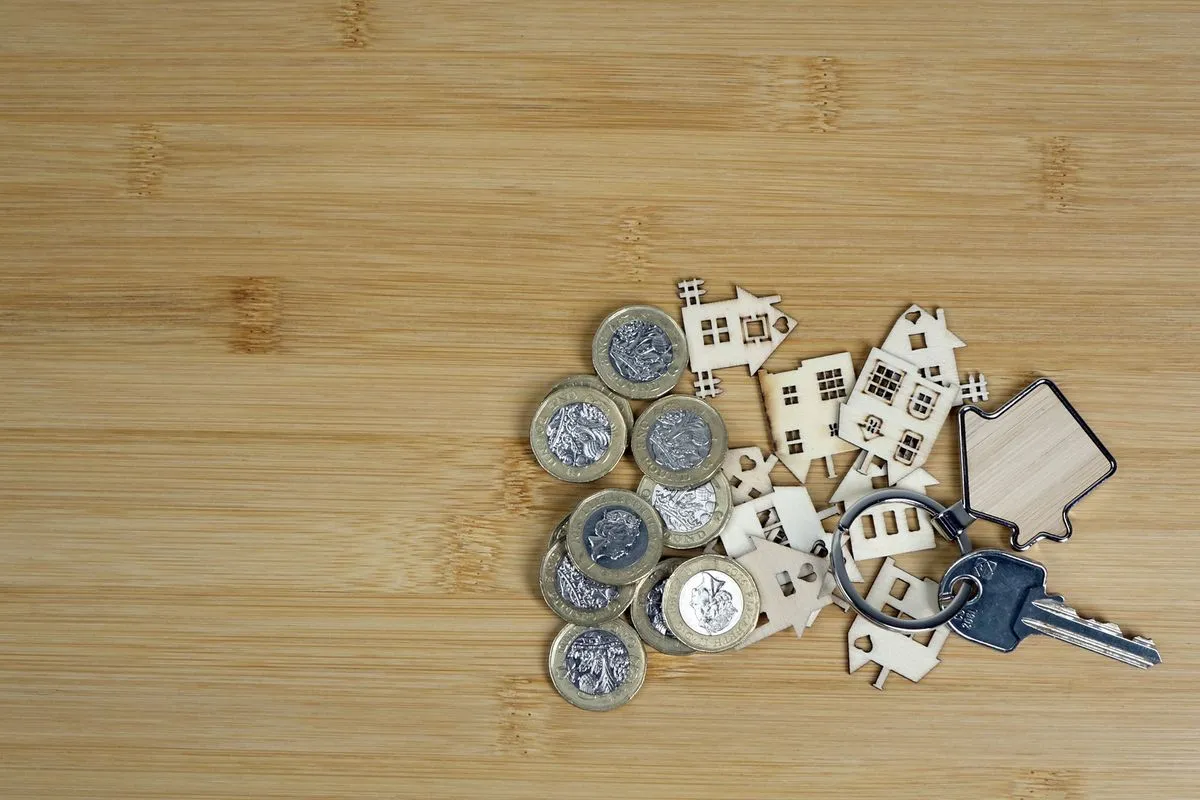
Citizens of other countries can get a mortgage in the UK. Each bank sets its own requirements, though, for example which immigration status it accepts (settled or pre-settled status), how long you must have lived in the UK and how long you must have been working. Have ready proof of your status from your UKVI account (see our guide to the EU Settlement Scheme), proof of income, bank statements and a document showing where your deposit has come from.
- Deposit. The government's Mortgage Guarantee Scheme has been permanent across the UK since July 2025. Thanks to it, some banks offer mortgages with a deposit of just 5% to first-time buyers and home movers. A bigger deposit usually means a better interest rate.
- A mortgage broker will compare offers from many banks. Check on the FCA register that they are authorised, and ask up front how much they charge.
- Government schemes. In England you can no longer apply for Help to Buy: Equity Loan. Schemes that are still available include shared ownership and discounts for first-time buyers. Scotland and Wales have their own schemes. You'll find an overview on GOV.UK.
- Lifetime ISA. According to GOV.UK, you can open one if you are aged 18 to 39 and live in the UK. You can pay in up to £4,000 a year, and the government adds a 25% bonus (up to £1,000 a year). You can use the bonus towards your first home if it costs up to £450,000 and at least 12 months have passed since your first payment. Withdrawing for any other purpose costs 25% of the amount. The government has consulted on introducing a new First Time Buyer ISA to replace the LISA. Until it is introduced, you can still open a Lifetime ISA.
A mortgage is secured on your property. If you don't keep up your repayments, the lender can repossess your home.
Sending money to Poland
You can send money to Poland through your bank or a money transfer company. Before you send it:
- Compare the total cost, meaning the fee and the exchange rate. A low or zero fee can mean a worse rate. Compare how many złoty the recipient will get for the same amount in pounds.
- Check the firm on the FCA register. According to the FCA, every payment firm that isn't a bank must be authorised or registered with the FCA. Money you hold with it is not protected by the FSCS.
- Be wary of requests for an urgent transfer from ‘family’ on a new number, an ‘investment adviser’ or someone you met online. There's more in our guide to scams.
Debt problems: free help and Breathing Space
If you're struggling to keep up with repayments, act straight away. Contact your lender and a free debt adviser before demands and court action start. Charities give free advice. Be wary of companies that promise to ‘wipe’ your debts quickly for a fee.
Breathing Space (Debt Respite Scheme) applies in England and Wales. According to GOV.UK:
- it gives you protection from creditors for up to 60 days: it pauses enforcement action, contact about the debts it covers and most interest and charges,
- a debt adviser applies on your behalf if they think it is the right option for you,
- if you are receiving mental health crisis treatment, the protection lasts for the whole of your treatment plus another 30 days,
- you can't get it if you have a DRO or an IVA or are going through bankruptcy, or if you've had it in the last 12 months (except in a mental health crisis),
- you still have to keep paying your debts during this time.
Different procedures apply in Scotland and Northern Ireland. Ask a local adviser about them (for example Citizens Advice Scotland or Advice NI).
Where to get help
- StepChange – free debt advice, tel. 0800 138 1111 (Mon–Fri 8am–8pm, Sat 9am–2pm).
- National Debtline – free debt advice, tel. 0808 808 4000 (Mon–Fri 9am–8pm).
- Citizens Advice – advice on bank accounts, credit and debt. Debt helpline: 0800 240 4420, Adviceline (England): 0800 144 8848.
- MoneyHelper – the government-backed money advice service, with a search tool for free debt advisers (Debt Advice Locator).
- Financial Ombudsman Service – complaints about a bank, lender or payment firm when the firm hasn't sorted out the problem. Tel. 0800 023 4567.
- ICO – complaints when a credit reference agency won't correct inaccurate data.
- FCA register – check whether a bank, lender, broker or money transfer company is authorised.
This guide is general information and is not a substitute for financial or legal advice. Amounts and rules can change (as of October 2026), so check the latest information on the websites listed before making a decision.
Źródła
- Getting a bank account
- Banks told to improve access to basic accounts
- Deposit protection limit
- Using payment service providers
- Credit
- How lenders decide whether to give you credit
- Register to vote
- County court judgments (CCJs) for debt
- FCA confirms biggest shake-up to the overdraft market for a generation
- Buy Now Pay Later
- 2025 Mortgage Guarantee Scheme
- Lifetime ISA
- First Time Buyer ISA: Consultation
- Options for paying off your debts: Breathing Space (Debt Respite Scheme)
Photos
- Cover: „pound coins”, author: Conall, licence CC BY 2.0; cropped or resized.
- Photo 1: „contactless”, author: thomas_wiegold, licence CC BY-SA 2.0; cropped or resized.
- Photo 2: „Saving for a mortgage - New home keys and British pound coins against a wooden background”, author: Avant Homes, licence CC BY 2.0; cropped or resized.
Tags
Share with friends