Driving licences and cars in the UK: exchanging your licence, MOT, vehicle tax and insurance
How long you can drive on a Polish licence, how to exchange it with the DVLA, what to do with a car brought from Poland, how to buy a used car, and what to remember about the MOT, vehicle tax, insurance, ULEZ and fines.
Author: AdministratorPublished: 9 min read
Contents
In short
- If you have a valid licence from Poland or another EU country, you can drive on it in England, Scotland and Wales until you are 70. If you become resident here aged 67 or over, you can use it for 3 years.
- Exchanging it for a UK licence means a D1 form from the Post Office and a fee of £43 (as of October 2026), with no need to retake your test. In Northern Ireland, licences are handled by the DVA.
- If you bring a car from Poland to keep here permanently, you must tell HMRC within 14 days and then register it with the DVLA. Until then you must not drive it on public roads.
- When buying a used car, check the registration certificate (V5C) and the free MOT history on GOV.UK. Vehicle tax does not transfer to the new owner.
- A car more than 3 years old needs an MOT every year. Third party insurance is the legal minimum.
- London has ULEZ (£12.50 a day) and the congestion charge (£18 a day), and several other cities have clean air zones.
- Holding a phone while driving means £200 and 6 penalty points. The drink-drive limit is lower in Scotland than in England.
Driving on a Polish licence
According to GOV.UK, in Great Britain (England, Scotland and Wales) you can drive on a full, valid licence from an EU country:
- until you are 70;
- for 3 years if you are 67 or over when you become resident in the UK.
After that you must exchange it for a UK licence. You don’t have to take the test again. Keep an eye on the expiry date on your Polish licence, because this right only applies to a valid licence.
For comparison: with a licence from outside the EU you can only drive in Great Britain for 12 months after you arrive.
Exchanging your licence for a UK one (DVLA and DVA)
England, Scotland and Wales (DVLA):
- Pick up a D1 form at a Post Office branch that offers DVLA services.
- Send the completed form, the £43 fee (as of October 2026, current fees) and the required documents, including your Polish driving licence, to the address on the form.
- Your new licence usually arrives within 3 weeks. It takes longer if you have told the DVLA about a medical condition and your details need to be checked.
Identity. A Polish passport is not on the list of documents the DVLA accepts by post. However, if you have a UKVI account from the EU Settlement Scheme, as most people from Poland living here do, you can prove your identity with a share code. You generate it in the View and prove your immigration status service by choosing the ‘something else’ option, and enter it on the form. You then don’t need to send any identity document or get someone to countersign your photo. Details: Identity documents needed for a driving licence application.
Northern Ireland (DVA). According to nidirect, you don’t have to exchange a valid EU licence and can drive on it until it expires. You can even exchange a licence that has expired. The DL1 application form is available at main Post Office branches. You include original identity documents, a colour passport photo and proof of address, and send everything to the DVA. The condition: you must normally live in Northern Ireland and have a permanent address there.
Bringing a car from Poland
You can use a car on Polish plates without registering it in the UK only if you are here on a visit and don’t plan to live here, and you use the car for no more than 6 months in any 12 months in total. If you become resident in the UK or stay longer than 6 months, you must register the car and pay vehicle tax.
The steps for permanently bringing a car into Great Britain when you drive it here yourself by ferry or through the Channel Tunnel (source: Importing vehicles into the UK):
- Within 14 days, tell HMRC (the CARS team) that you have brought the car in because you are moving here. You can be fined for being late. HMRC will tell you whether you need to pay VAT and duty. If you are moving to the UK, there is nothing to pay if you qualify for relief.
- Get vehicle approval. For a car registered in the EU, this is a European Certificate of Conformity from the manufacturer. A left-hand drive car also needs a GB conversion IVA certificate (fee £100). Cars first registered more than 10 years ago may be exempt from vehicle approval.
- Register the car with the DVLA: a fee of £55 plus vehicle tax. You send the original documents, including the Polish registration certificate (it will not be returned). The UK registration certificate (V5C) arrives within up to 6 weeks, and only then can you order number plates.
- Insure the car before you take it on the road.
Until you have completed these steps, you can be prosecuted for driving on public roads. The exception is driving to a pre-booked MOT or vehicle approval test.
Buying a used car: the V5C and vehicle history
- The V5C (logbook) is the UK registration certificate. The DVLA advises you not to buy a car without a V5C. The seller registers the car in your name online or by post and gives you the green ‘new keeper slip’.
- The MOT history is free: enter the registration number in Check the MOT history and you will see test results since 2005, the mileage recorded at each test, any faults found and the date of the next MOT. Jumps or drops in the mileage are a warning sign.
- DVLA data: the vehicle enquiry service lets you check, among other things, the tax status, date of first registration, date the last V5C was issued, fuel type and emissions standard.
- Paid vehicle history reports (commonly known as an ‘HPI check’) are offered by commercial companies. This is not a government service, so compare what each report covers before you buy.
- Vehicle tax does not transfer to you with the car. You must pay it (or make a SORN) before you first drive the car, and you must have insurance to do so.
The MOT: the annual test
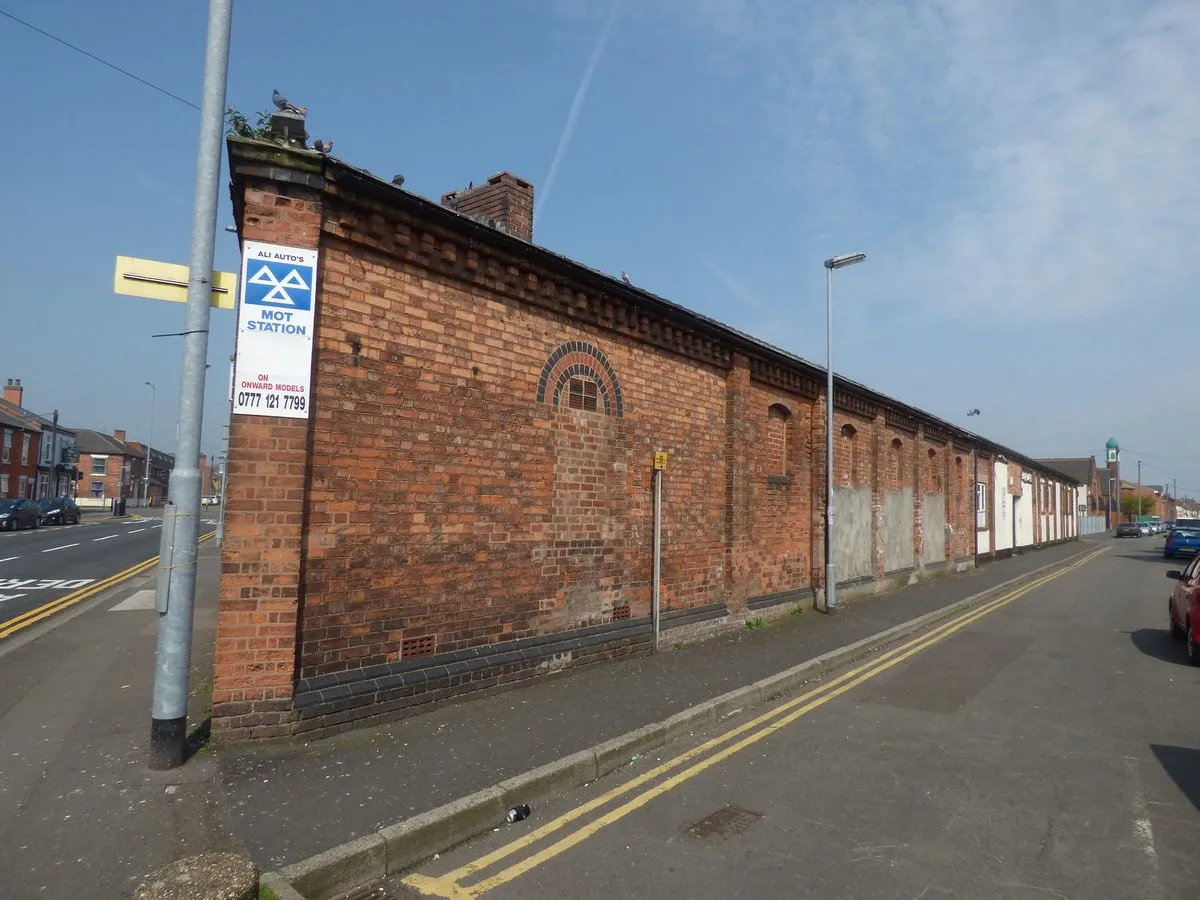
According to GOV.UK:
- the first MOT is due by the third anniversary of registration, and then every year;
- tests are only carried out at centres displaying the blue sign with three white triangles;
- the maximum fee for a car is £54.85 (as of October 2026);
- you can have the MOT done up to a month (minus a day) before it runs out and keep the same renewal date;
- driving without a valid MOT can mean a fine of up to £1,000, and driving a car that has failed with a ‘dangerous’ fault can mean a fine of up to £2,500, a driving ban and 3 penalty points.
The test does not check the condition of the engine, clutch or gearbox. You can’t renew your vehicle tax without a valid MOT. In Northern Ireland, MOTs follow different rules.
Vehicle tax and SORN
The paper tax disc in the windscreen no longer exists. You can check a vehicle’s tax status online using its registration number.
- How to pay: online at Tax your vehicle, by phone (0300 123 4321) or at the Post Office. You need the 11-digit reference number from the V5C or the number from the green ‘new keeper slip’.
- Instalments: if you pay by Direct Debit monthly or every 6 months, you pay 5% extra; if you pay annually, you pay nothing extra.
- How much: for cars registered on or after 1 April 2017 the standard rate is £200 a year, and cars with a list price over £40,000 pay an extra £440 a year for 5 years (as of October 2026). Older cars have rates based on CO2 emissions or engine size: Vehicle tax rates.
- SORN: if the car is kept off public roads (for example in a garage), make a SORN. You will get a refund for any full months of tax left, but you can’t use the car on the road until you tax it again.
If a vehicle is neither taxed nor SORN, the DVLA issues an £80 penalty and makes you pay the tax owed.
Insurance and what to do after an accident
Insurance is compulsory, and the minimum is third party: it covers damage and injuries you cause to others, but not repairs to your own car (source: Vehicle insurance).
- A car registered to you must be insured at all times unless you have made a SORN. An uninsured car without a SORN can mean a £100 fine, wheel clamping, or the vehicle being removed or destroyed.
- For driving without insurance, the police can give you £300 and 6 penalty points, and a court can impose an unlimited fine and a driving ban.
- You can check free of charge whether your car is on the Motor Insurance Database at askMID.
After an accident (Highway Code, rules 283 to 287):
- Stop somewhere safe and switch on your hazard warning lights.
- If anyone is injured or the road is blocked, call 999. Don’t move injured people from their vehicles unless they are in immediate danger.
- Give your name, address and registration number (and the owner’s details if the car isn’t yours) to anyone with reasonable grounds for asking for them.
- If you didn’t exchange details at the scene, report the accident to the police within 24 hours at the latest. If someone was injured and you didn’t produce your insurance certificate, you must show it to the police within 7 days.
- Tell your insurer, even if you are not making a claim.
ULEZ, the congestion charge and clean air zones
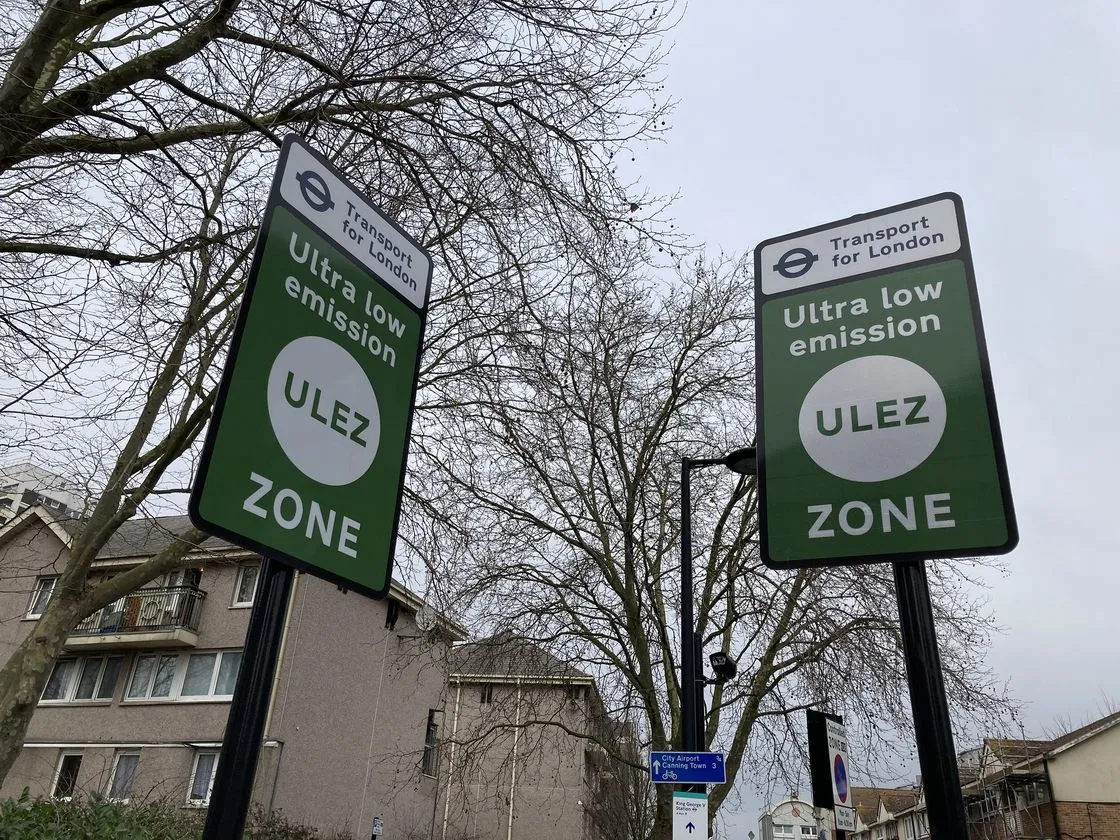
ULEZ (Ultra Low Emission Zone) covers every London borough and runs 24 hours a day, every day except Christmas Day. A car that does not meet the standards (usually Euro 4 for petrol and Euro 6 for diesel) pays £12.50 a day (as of October 2026). You can check your car with the TfL vehicle checker.
The congestion charge is a separate charge for driving into central London: £18 if you pay on the day or in advance, or £21 if you pay by midnight on the third day after you travel. It applies Monday to Friday from 7am to 6pm, and at weekends and on bank holidays from 12 noon to 6pm. It does not apply from Christmas Day up to and including the New Year bank holiday (source: Mayoral Decision MD3442). ULEZ and the congestion charge are added together.
Clean Air Zones in England operate in Bath, Birmingham, Bradford, Bristol, Portsmouth, Sheffield and Tyneside (Newcastle and Gateshead). Private cars only pay in class D zones, that is in Birmingham and Bristol. You must pay by 11.59pm on the sixth day after you enter, or you will get a penalty charge notice (PCN). Check at Driving in a Clean Air Zone. In Scotland, low emission zones (LEZ) operate in Aberdeen, Dundee, Edinburgh and Glasgow. There you can’t pay to enter: a car that doesn’t meet the standards gets a penalty (mygov.scot).
Fines, penalty points and alcohol
- Speeding: the minimum is £100 and 3 penalty points. If you are caught by a speed camera, you will receive a Notice of Intended Prosecution within 14 days and a Section 172 notice, which you must return within 28 days naming the driver. Sometimes you will be offered a speed awareness course instead of a fine. Source: Speeding penalties.
- Penalty points: 12 points within 3 years usually means a driving ban. Drivers who passed their test in the last 2 years lose their licence after just 6 points.
- Phones: you must not hold and use a phone or sat nav, including at traffic lights and in queuing traffic. The penalty is £200 and 6 points (GOV.UK). You can use hands-free or a holder, as long as it doesn’t block your view of the road.
- Alcohol (The drink drive limit): in England, Wales and Northern Ireland the limit is 35 micrograms per 100ml of breath (80mg per 100ml of blood), and in Scotland it is 22 micrograms (50mg per 100ml of blood). There is no way to convert this into a number of drinks, so the safest option is not to drink at all.
Where to get help
- DVLA – contact – driving licences, registration, vehicle tax and SORN.
- DVSA – complaints about an MOT result (tel. 0300 123 9000).
- nidirect – DVA – driving licences and vehicles in Northern Ireland.
- HMRC – Importing vehicles into the UK – bringing in a car, VAT and duty.
- Citizens Advice – problems when buying a used car and disputes with a garage.
This text is general information and does not replace legal advice. Fees and rules for drivers change regularly, so check the latest information on GOV.UK, nidirect or TfL before making any decisions.
Źródła
- Exchange a non-GB driving licence (licencja z kraju UE/EOG)
- Identity documents needed for a driving licence application
- Exchanging your foreign driving licence
- Importing vehicles into the UK
- Vehicle registration
- Getting an MOT
- Check the MOT history of a vehicle
- Vehicle tax rates
- Register your vehicle as off the road (SORN)
- Vehicle insurance
- Driving in a Clean Air Zone
- MD3442 Changes to the Congestion Charging Scheme
- Speeding penalties
- The Highway Code: Breakdowns and incidents (274 to 287)
Photos
- Cover: „M25 motorway”, author: MyParadiseLost, licence CC BY 2.0; cropped or resized.
- Photo 1: „MOT Station - Corner building on Princess Street, Burton upon Trent”, author: Elliott Brown, licence CC BY-SA 2.0; cropped or resized.
- Photo 2: „ULEZ Zone”, author: Matt Brown, licence CC BY 2.0; cropped or resized.
Tags
Share with friends