Energy price cap in the UK to rise 26% from January 2027
The energy regulator Ofgem says the maximum rates for people on default tariffs will rise by 26% from 1 January to 31 March 2027. For a typical household paying by Direct Debit, the annual bill would rise from £1,723 to £2,166.
Author: Thames Compass editorial teamPublished: 2 min read
Contents
Why prices are rising
The energy regulator Ofgem announced on 25 November 2026 that the energy price cap will rise by 26% for the period from 1 January to 31 March 2027. The cause is the continuing conflict in the Middle East, which is pushing up international gas prices. Gas prices are rising faster than electricity prices. Ofgem links this to electricity generation increasingly relying on renewable sources rather than gas-fired power stations.
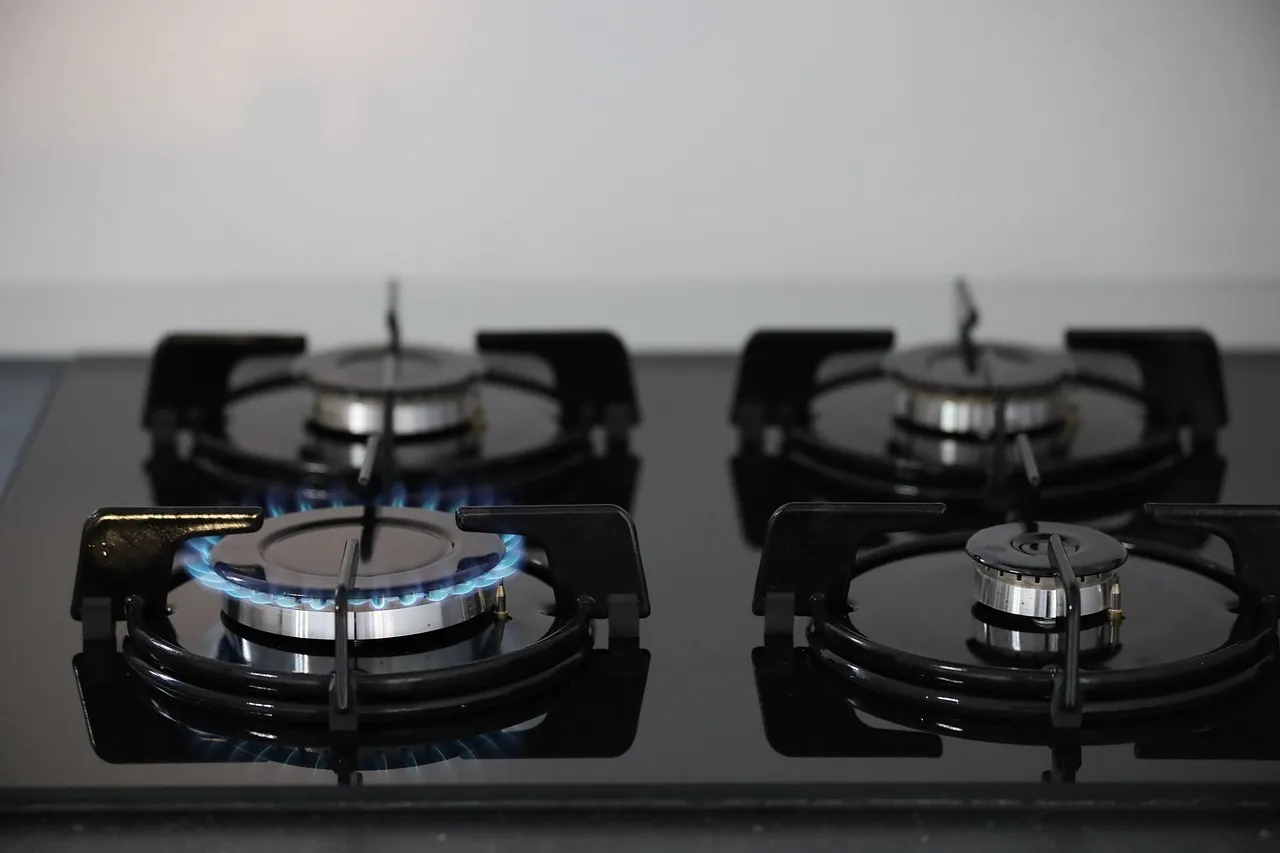
What bills could look like
Ofgem says that for a typical household paying for gas and electricity by Direct Debit, the annualised bill would rise from £1,723 to £2,166, if that level were sustained for a full year. This is an illustrative figure. The cap sets maximum unit rates and standing charges, and the actual amount depends on how much energy a household uses.
Who is affected
Ofgem says the increase will affect around 20 million households on standard variable tariffs. Around 10 million households on fixed tariffs will not see the change while their fixed deal remains in place.
Support and the regulator's appeal
The government has announced that around 20 million households will receive £100 towards their energy bill from January. Ofgem encourages anyone struggling with bills to contact their supplier, which must offer appropriate support. The regulator has also reminded suppliers of these obligations and suggested that customers consider whether a fixed tariff suits them.
What this means for you
The increase applies mainly to people on default and variable tariffs, meaning those who have not chosen a fixed-rate deal. People on a fixed tariff will not see a change in their rates until the deal ends. It is worth checking with your supplier which tariff your household is on before the new rates take effect. The sources do not set out the eligibility criteria for the £100 payment, so details should be checked with your supplier or in official government announcements.
Sources
This article was prepared automatically by AI from the listed sources and published without prior editorial review. Spotted a mistake? Use the “Report an error in this article” button.
Photos
- Cover: „kitchen, dining room, dining table, furniture, home furniture”, author: midascode, licence Pixabay Content License; cropped or resized.
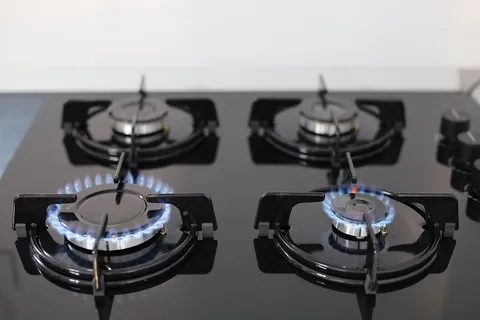
- Photo 1: „gas, stove, kitchen”, author: arstockphoto, licence Pixabay Content License; cropped or resized.
Tags
Share with friends