Energy price cap in the UK to rise by 26% from January 2027
Regulator Ofgem has announced that the energy price cap will rise by 26% for the period from 1 January to 31 March 2027. The annual bill for a typical household is set to increase from £1,723 to £2,166.
Author: Thames Compass editorial teamPublished: 2 min read
Energy regulator Ofgem announced on 25 November 2026 that the energy price cap for households will rise by 26% for the period from 1 January to 31 March 2027. Ofgem says the increase is caused by the continued conflict in the Middle East, which is pushing up international gas prices.
How much it means
For a typical household paying for gas and electricity by Direct Debit, the annual figure is set to rise from £1,723 to £2,166. Ofgem stresses that the cap does not set a maximum total bill. It limits the unit rates and standing charges that suppliers can charge on default tariffs (standard variable tariffs). What people pay depends on how much energy they use.
The cap affects around 20 million households. Around 10 million households on fixed tariffs will not be affected by the increase while their fixed deal remains in place.
Gas prices are rising more than electricity prices. Ofgem says gas wholesale prices have roughly tripled since the conflict began. Gas bills in the January price cap are 33% higher than in October, and electricity bills are up 19%.
Analysts at the House of Commons Library warn that forecasts are uncertain. They expect the cap to remain at about the same level in the second quarter of 2027, but there is no guarantee of this.
Support and VAT
The government has announced that around 20 million households will receive £100 towards their energy bill from January. From 1 October 2026 to 30 June 2027, no VAT is charged on electricity, while gas remains subject to 5% VAT. The government has also asked Ofgem to remove gas standing charges by the end of 2027, or as soon as possible afterwards.
What this means for you
The increase will mainly affect people on default tariffs, meaning those without a fixed-term contract with their supplier. People on fixed tariffs will see the change only when their contract ends. Ofgem advises anyone struggling to pay their bills to contact their supplier, which must offer appropriate support and advice.
Sources
This article was prepared automatically by AI from the listed sources and published without prior editorial review. Spotted a mistake? Use the “Report an error in this article” button.
Photos
- Cover: „meter, kilo watt hours, amps, antique, bakelite”, author: biker_becca, licence Pixabay Content License; cropped or resized.
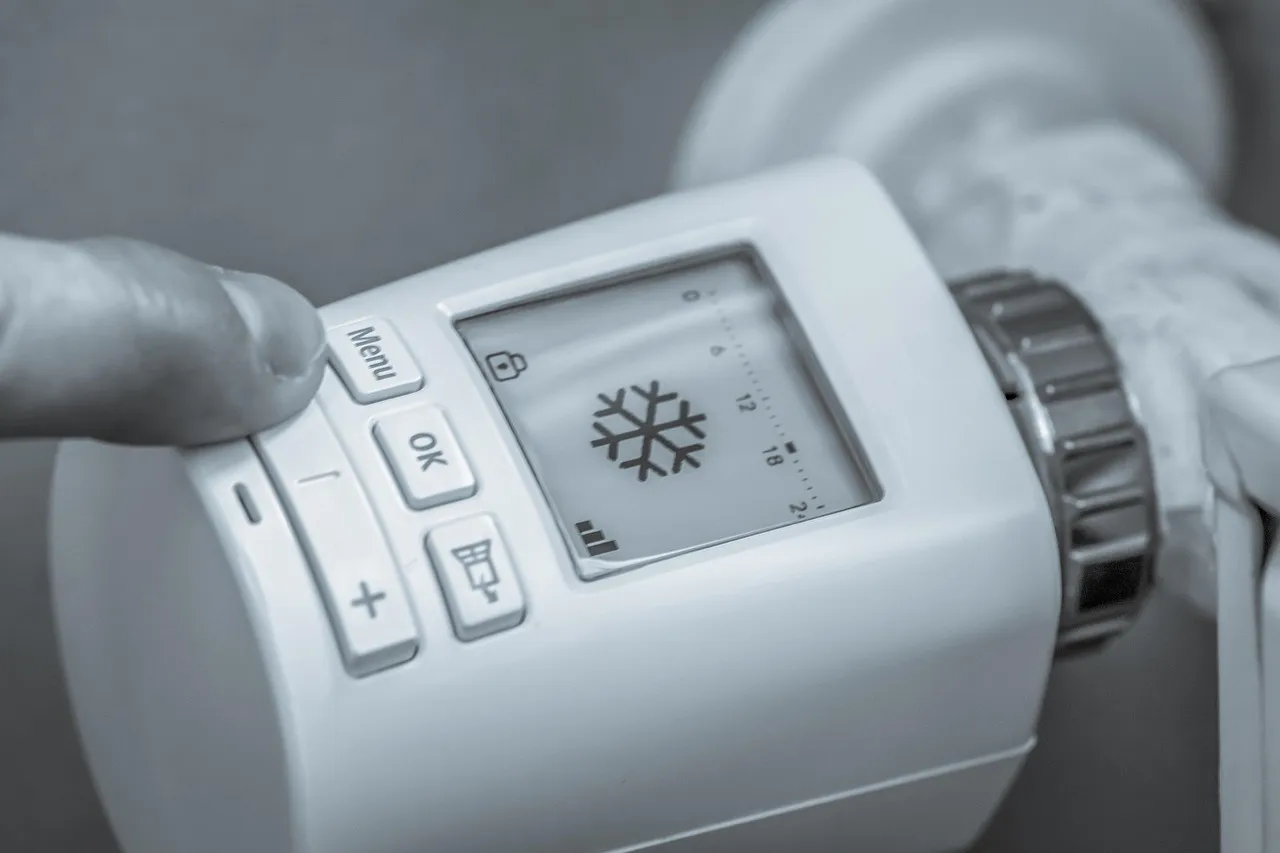
- Photo 1: „energy saving, heating, controller, temperature, warmth”, author: analogicus, licence Pixabay Content License; cropped or resized.
Tags
Share with friends