Energy bills are rising: what the Ofgem price cap change means and how to cut costs
From 1 October 2026 the energy price cap for a typical household rose by 4%, to £1,723 a year. The next update, covering January 2027, is due to be announced on 25 November 2026.
Author: Thames Compass editorial teamPublished: 2 min read
Contents
The energy regulator Ofgem raised the price cap (the default tariff limit) by 4% for the period from 1 October to 31 December 2026. It applies to customers on default tariffs. For a typical household paying by Direct Debit for gas and electricity, the annual bill rises from £1,663 to £1,723.
Why bills are going up
According to Ofgem, the main reason is higher wholesale gas prices, which it links to the conflict in the Middle East. Gas bills are set to rise by 8%, while electricity stays broadly stable.
VAT cut on electricity
The government has reduced VAT on electricity from 5% to zero. This applies from 1 October 2026 to 31 March 2027. Gas remains at 5% VAT. Ofgem estimates that without this decision the increase would have been around £45 higher.
What could happen in January
The next cap levels will be announced on 25 November 2026 for the period from 1 January to 31 March 2027. The House of Commons Library expects a sharper rise: unit prices for gas are forecast to increase by 22%, and for electricity by 15%. Analysts stress that forecasts are uncertain. An earlier forecast from August 2026 pointed to a 9% increase.
How to cut costs
- Fixed tariff. Ofgem says fixed deals are available at £100 or more below the October price cap. Around 35% of households are on fixed tariffs and will not be affected by the October rise.
- Payment method. Prepayment customers pay the lowest cap rates. Ofgem says they could save an average of about £45 compared with Direct Debit.
- Off-peak electricity. Many suppliers offer cheaper electricity for smart meter customers who use power outside peak times.
What this means for you
The cap covers people on default tariffs who pay for gas and electricity by standard credit, Direct Debit, prepayment meter or Economy 7. People on fixed tariffs have their price set for the length of their contract. It is worth checking which tariff your home is on and comparing offers before the January change.
Sources
This article was prepared automatically by AI from the listed sources and published without prior editorial review. Spotted a mistake? Use the “Report an error in this article” button.
Photos
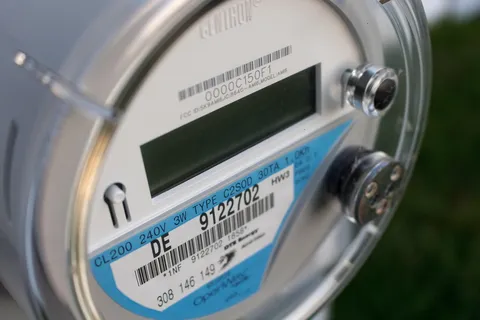
- Cover: „meter, electrical meter, power, electrical, measure”, author: rgaudet17, licence Pixabay Content License; cropped or resized.
- Photo 1: „battleship, engine room, historic, war, navy”, author: GregoryButler, licence Pixabay Content License; cropped or resized.
Tags
Share with friends