Household bills in the UK: electricity, gas, water, broadband and the TV Licence
Which bills to expect when you move in, how to find your electricity and gas supplier, what the price cap is, how to switch tariffs, where to get help with debt and when you need a TV Licence. As of October 2026.
Author: AdministratorPublished: 10 min read

Contents
In short
- When you move in, you usually pay for electricity, gas, water, council tax, broadband and possibly a TV Licence. Check your tenancy agreement to see what is included in the rent.
- On moving day, take meter readings and give them to the current energy supplier. Don't top up a prepayment meter until you've done this.
- The Ofgem price cap from 1 October to 31 December 2026 is £1,723 a year for a typical household (electricity and gas, Direct Debit). It caps the rates, not your total bill.
- If you can't pay, contact your supplier straight away: it must agree a solution with you, such as a repayment plan in instalments.
- In England and Wales a water company cannot cut off the water to your home over debt. Every company has a cheaper tariff for people on low incomes.
- You can usually switch broadband just by contacting the new provider. A TV Licence costs £180 and you need one for live TV and BBC iPlayer.
- Scotland, Wales and Northern Ireland have their own rules (see the second-to-last section).
Which bills to expect in your new home
The typical set of household bills in the UK is:
- Electricity and gas (energy) – paid to your supplier, not the network operator.
- Water and sewerage – your regional water company.
- Council tax – a local tax paid to your council.
- Broadband and phone – contracts with providers.
- TV Licence – only if you watch live TV or use BBC iPlayer.
Who pays? It depends on your tenancy agreement. If you rent a room with ‘bills included’, the bills are part of the rent and you can't switch energy supplier yourself, because the account is in the landlord's name. According to Citizens Advice, the most you can do is find a better tariff and suggest it to your landlord, but they don't have to agree. If your landlord charges you for electricity or gas based on how much you use (reselling energy), Ofgem's maximum resale price rules ban them from charging more than they paid the supplier.
If you pay the supplier directly, you can change tariff and supplier, including on a prepayment meter. Just check that your tenancy agreement doesn't require you to switch back to the original supplier at the end of the tenancy. To find out which fees a landlord can charge, read our guide Renting a room or flat in the UK without the pitfalls.
Electricity and gas: who your supplier is and what to do on moving day
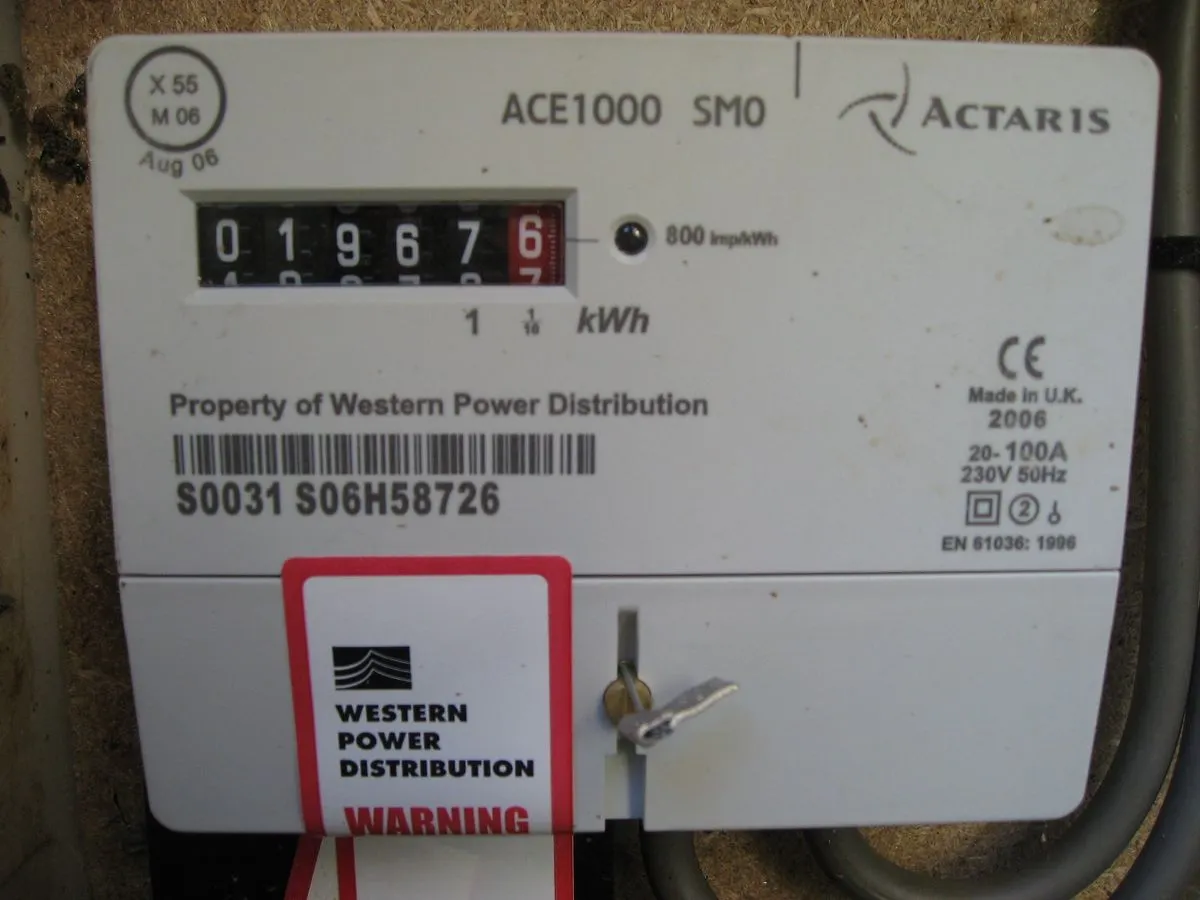
How to find your supplier (according to Citizens Advice):
- Gas: enter your postcode on the Find My Supplier website or call the Meter Number Helpline: 0870 608 1524 (Mon–Fri 8:30am–5pm; 7p a minute plus your phone company's access charge). You'll also get your gas meter point reference number (MPRN), which is useful when switching supplier.
- Electricity: first find the network operator for your area on the Energy Networks Association website, then look up your supplier on that operator's website. Your electricity meter point number is the MPAN.
On the day you move in:
- Take meter readings and give them to the current supplier. That way your first bill will be correct and you won't pay for the previous occupants' usage.
- Tell the supplier you've moved in. You automatically get what's called a deemed contract, usually on a standard variable tariff.
- With a prepayment meter, don't use the key or card or top up the meter until you've contacted the supplier. Otherwise you could end up paying off the previous occupants' debts. Ask for any debt to be removed from the meter and for a new key or card.
- You can change tariff or supplier from the day you become responsible for the property.
Power cuts and emergencies: report a power cut on the free number 105 (England, Scotland, Wales; details: powercut105.com). If you smell gas, call the free number 0800 111 999 straight away (National Gas Emergency Service, 24 hours a day).
The price cap, tariffs and switching supplier
The Ofgem price cap (England, Scotland, Wales) limits the unit rate for energy and the standing charge on standard variable and default tariffs. It doesn't cap your total bill: the more you use, the more you pay. It doesn't cover fixed tariffs.
From 1 October to 31 December 2026 (averages for Direct Debit; source: Ofgem):
- electricity: 26.32p per kWh and a standing charge of 54.83p a day,
- gas: 7.97p per kWh and a standing charge of 29.68p a day,
- typical annual bill: £1,723, 4% more than in the previous quarter.
From 1 October 2026 to 31 March 2027 there is no VAT on household electricity, and 5% VAT applies to gas. Rates depend on your region and how you pay. Ofgem will announce the next level (January–March 2027) on 25 November 2026.
Fixed or variable tariff? A fixed tariff gives you the same rate for the length of the contract. According to Citizens Advice, it can work out cheaper if prices stay the same or go up. When prices are falling, a variable tariff may be the better deal. When a fixed tariff ends, you usually move onto a standard variable tariff.
Switching supplier (according to Citizens Advice):
- You only contact the new supplier; it lets the old one know.
- The switch takes up to 5 working days, and you have a 14-day cooling-off period to cancel without charge.
- If there are 49 days or fewer left on a fixed contract, you can leave without an exit fee.
- Take a meter reading on the day of the switch. Your final bill from the old supplier will arrive within 6 weeks.
- Owing money to your current supplier can stop you from switching.
Prepayment meters and smart meters
You get a smart meter free from your supplier. It comes with an in-home display showing your current usage, and it sends readings automatically when it's working in smart mode.
You top up a prepayment meter in an app, online, or at a shop with PayPoint or at a post office. When the credit runs out, the energy stops. If you can't afford to top up, call your supplier: according to Ofgem, it must offer help, such as extra credit that you pay back when you next top up.
A supplier can install a prepayment meter without your permission only as a last resort, when debt is building up. According to Ofgem, it must first, among other things, make at least 10 attempts to contact you and visit your home. It is not allowed to do so in cases including when there is a child under 2 in the home, someone who is seriously or terminally ill or who depends on powered medical equipment, when everyone in the household is 75 or over with no support, or when nobody is able to top up the meter.
If you can't pay: help and financial support
Contact your supplier as early as possible. According to Citizens Advice, your supplier must help you find a solution and take into account your income, your outgoings and your future usage. This could be a repayment plan in instalments, a review of your payment amounts or access to hardship funds. People on certain benefits (such as Universal Credit or Pension Credit) can pay off the debt from their benefits through Fuel Direct.
The Priority Services Register is a free register kept by your supplier and network operator for people including those over State Pension age, pregnant or with young children, or with a disability or long-term illness. Among other things, it gives you priority during power cuts.
Warm Home Discount (winter 2026/27, as of October 2026): a one-off £150 discount on your electricity bill. In England and Wales you'll get it if on 23 August 2026 you were getting Universal Credit, Housing Benefit, income-related ESA or Pension Credit, and your name (or your partner's) was on the electricity bill. Letters arrive from the end of October 2026 to the beginning of January 2027, and the discount is applied to your bill by 31 March 2027. In Scotland some people need to apply through their supplier. The scheme doesn't operate in Northern Ireland.
Winter Fuel Payment (winter 2026/27): £100–£300 for people born on or before 27 June 1960 who live in England, Wales or Northern Ireland. If your income is over £35,000, HMRC will take the payment back (your partner's income doesn't count). Most people will get it in November or December 2026. In Scotland there is the Pension Age Winter Heating Payment instead.
Complaints: first complain to your supplier. If the problem hasn't been resolved after 8 weeks, or you get a final response (deadlock letter), take it to the Energy Ombudsman. It's free; you have 12 months from receiving the deadlock letter.
Water, sewerage and council tax
In England and Wales your water is supplied by a regional company that you don't get to choose. Water and sewerage may be handled by two different companies, so you may sometimes get two bills. You can check this on your bill or with Water UK's postcode search.
- Without a meter you pay a fixed amount, often based on the property's old rateable value.
- You can usually ask for a water meter for free. According to Citizens Advice, it's especially worthwhile if there are fewer people in the home than bedrooms. You can usually switch back to your previous way of paying within 12 months, unless the meter was already in the property or meters are compulsory in your area. A tenant in England doesn't need the landlord's permission to have a meter fitted, but check what your agreement says about alterations.
- If a meter can't be fitted, the company must offer another charge (an assessed charge), and a single-occupier tariff for someone living alone.
- A water company cannot cut off the water to your home over arrears, but it can pursue the debt through the courts or from your benefits.
- Help: every company has a social tariff for people on low incomes. WaterSure caps your bill at the average metered bill for your region if you have a meter, get a benefit such as Universal Credit, Pension Credit or Housing Benefit, and either have at least three children under 19 in full-time education or someone in the home has a medical condition that means using a lot of water. In Wales there is WaterSure Wales.
You pay council tax to your council. If you are the only adult living in the home, you're entitled to a 25% discount. Details, including Council Tax Reduction, are in our guides Your first 30 days in the UK and Renting a room or flat.
Broadband, phone and the TV Licence
Broadband and landline. Contracts usually run for a fixed term, and leaving early usually means paying a fee. According to Citizens Advice:
- When switching broadband or landline, you only contact the new provider, and it arranges the switch (Ofcom's One Touch Switch process, which since 2024 also works between different networks). Both companies will send you details of the switch date and any charges.
- You usually have 14 days to cancel a new contract.
- Towards the end of your contract, your provider should let you know and show you its best deals.
- Mobile: to keep your number, text ‘PAC’ to 65075; to leave without keeping your number, text ‘STAC’ to 75075. The code is valid for 30 days. Texting ‘INFO’ to 85075 tells you the cost of ending your contract. All these texts are free.
In contracts taken out on or after 17 January 2025, mid-contract price rises must be shown in pounds and pence, not as a percentage linked to inflation.
Social tariffs: cheaper broadband and phone packages for people on Universal Credit, Pension Credit and some other benefits. If your provider has one, you can move onto it at any time without charge. Ofcom keeps a list.
You need a TV Licence (as of October 2026: £180 a year, £60.50 for a black and white TV) to watch or record programmes live as they're broadcast, on any device and any channel, and to use BBC iPlayer. You don't need a licence for on-demand services alone, such as Netflix or Disney+. Watching live TV without a licence can lead to a fine of up to £1,000. People aged 75 or over who get Pension Credit can get a free licence.
How to cut your bills
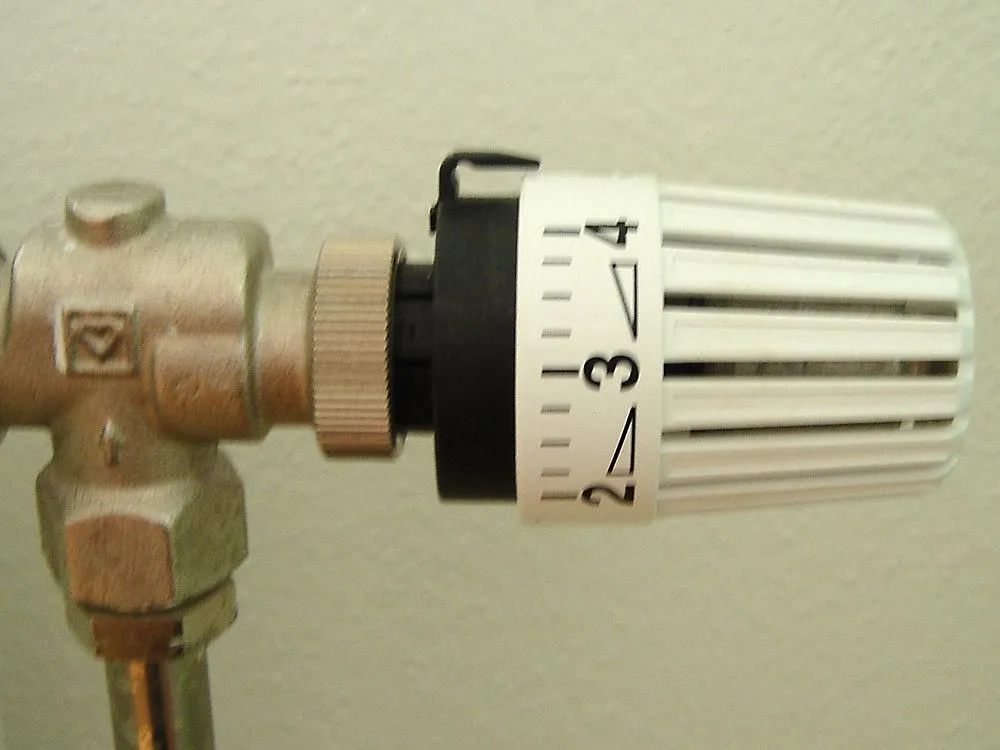
Citizens Advice tips on heating:
- Set your thermostat to 21°C and turn it down by 1°C at a time until you find the lowest temperature you're comfortable with. In a home colder than 16°C, the risk of damp and illness goes up.
- Set your heating to come on at times when you're at home. At night and when you're out, lower the temperature by 2–3°C, but not below 16°C.
- If you have a combi boiler with radiators, try setting the flow temperature to 60°C.
- Move furniture away from radiators, and close your curtains after dark.
- Only run the washing machine and dishwasher with full loads.
Check your tariff before your fixed deal ends and give regular meter readings to avoid estimated bills.
Scotland, Wales and Northern Ireland
- Scotland: you usually pay water and sewerage charges together with your council tax; the council passes them on to Scottish Water. If you have a meter, you pay Scottish Water directly. The 25% single person discount also applies to this part. Instead of the Winter Fuel Payment there is the Pension Age Winter Heating Payment.
- Wales: energy works as in England; for water there is WaterSure Wales.
- Northern Ireland: households don't pay directly for water and sewerage. Instead of council tax, you pay rates. The energy market is separate: the Ofgem price cap doesn't apply, and the market is regulated by the Utility Regulator. You can only choose your gas supplier in the Greater Belfast area. You can compare deals with the Consumer Council tool. The Warm Home Discount doesn't apply, and power cuts are reported on 03457 643643, not 105.
Where to get help
- Citizens Advice – consumer helpline 0808 223 1133 (England, Mon–Fri 9am–5pm, free), in Welsh 0808 223 1144. In Scotland, consumer help is provided by Advice Direct Scotland.
- Energy Ombudsman – free resolution of disputes with your energy supplier after 8 weeks or a deadlock letter.
- CCW (Consumer Council for Water) – help with water bills: 0300 034 2222 (England), 0300 034 3333 (Wales).
- Consumer Council – advice and energy price comparisons in Northern Ireland.
This guide is general in nature and is not a substitute for legal or financial advice. Rates and support schemes change often, so check the latest information at the source before making a decision.
Źródła
- Changes to energy price cap between 1 October and 31 December 2026
- Find out who your gas or electricity supplier is
- Moving home – dealing with your energy supply
- Switch energy supplier or tariff
- Installing a prepayment meter without your permission
- The Warm Home Discount Scheme: If you live in England or Wales
- Winter Fuel Payment: Eligibility
- Our process (raising a dispute)
- Changing to a water meter
- WaterSure scheme – help with paying water bills
- Check how to switch your internet, phone or TV provider
- TV Licence
- Water and sewerage charges – options for revenue raising
- Comparing energy deals
Photos
- Cover: „Winter Street Scene”, author: Dominic Alves, licence CC BY 2.0; cropped or resized.
- Photo 1: „Electricity meter”, author: Kai Hendry, licence CC BY 2.0; cropped or resized.
- Photo 2: „Room Thermostat”, author: www.trek.today, licence CC BY 2.0; cropped or resized.
Tags
Share with friends