UK-EU food trade deal agreed in Brussels as government promises lower costs
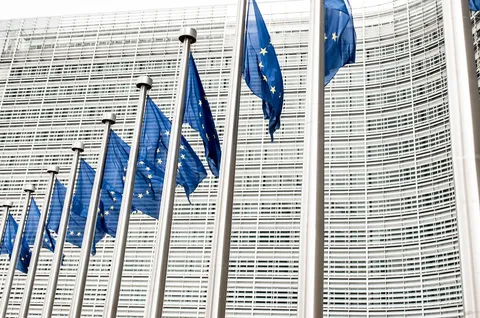
On 20 November 2026 the UK and the European Union agreed an SPS deal in Brussels covering trade in food and farm goods. The government says it will cut costs for businesses and ease pressure on food prices.
Author: Thames Compass editorial teamPublished: 2 min read
Contents
What the agreement covers
The SPS agreement covers trade in food, agricultural goods, animals and plants. It will create a common sanitary and phytosanitary area, where both sides apply the same rules in the areas it covers.
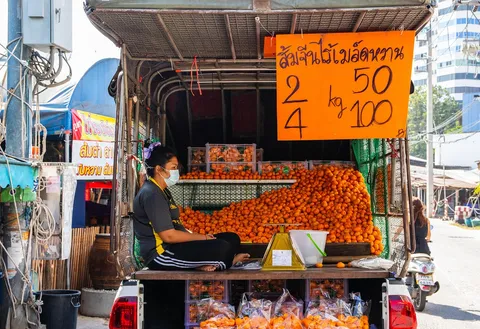
The Department for Environment, Food and Rural Affairs (Defra) says routine border checks on imports and exports to the EU are set to end. According to the department, businesses will pay fewer fees and goods will reach shelves more quickly. British producers will also regain access to the EU market for some products, including fresh sausages, burgers and seed potatoes.
The Food Standards Agency (FSA) says protecting public health remains its priority. UK experts will be able to take part in the work of the European Food Safety Authority (EFSA).
What it could mean for the economy
Government material says the deal could be worth up to £5.1 billion a year compared with projected levels in 2040. It says UK GDP could rise by up to 0.14%.
In a speech at the summit in Brussels, the Prime Minister cited a Treasury estimate of up to 0.5% added to UK GDP. The two figures come from government material and do not match.
Will food prices fall?
The government argues the deal will ease pressure on food prices by lowering costs and paperwork for businesses. It does not, however, set out how far shop prices would fall.
The description of the BBC News piece this article is based on suggests the deal is unlikely to lower food prices for shoppers, although it should boost the economy more than other post-Brexit agreements. The full analysis could not be accessed, so this view has not been independently confirmed.
What this means for you
- Food already on the Great Britain market before 1 March 2028 can still be sold and used until stocks run out, even if it does not meet EU rules. It must not enter the EU.
- Food businesses, including those that do not trade with the EU today, may need to adjust their products to EU rules.
- The Prime Minister said a bill to implement the deal will be introduced in Parliament next week.
Sources
- What the new UK-EU SPS agreement means for food and feed safety and food businesses
- UK-EU SPS Agreement: what farmers and growers need to know
- UK-EU Summit 2026 Explainer SPS (HTML)
- PM speech at UK-EU Summit: 20 November 2026
- Faisal Islam: This cost-cutting UK-EU deal doesn't mean lower prices will follow
This article was prepared automatically by AI from the listed sources and published without prior editorial review. Spotted a mistake? Use the “Report an error in this article” button.
Photos
- Cover: „shopping carts, grocery, shopping, grocery shopping, grocery carts”, author: 652234, licence Pixabay Content License; cropped or resized.
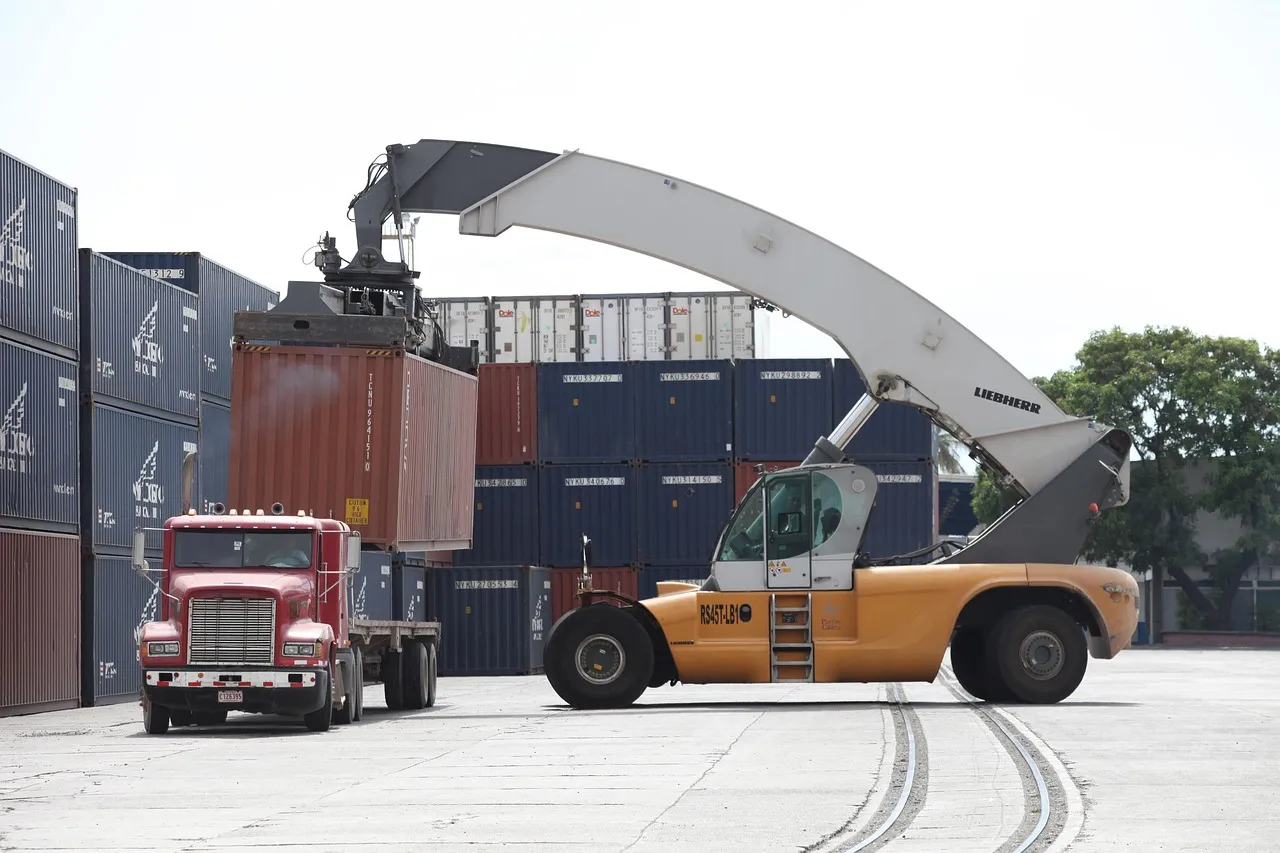
- Photo 1: „truck crane, containers, port, truck crane, truck crane”, author: denniscastro, licence Pixabay Content License; cropped or resized.
Tags
Share with friends