UK to have 'voice' but no vote on EU food rules in Brexit reset
Minister Hamish Falconer says Britain would have some influence on EU food policy under a new deal, but without a vote. The sanitary and phytosanitary agreement is expected to be concluded at a UK-EU summit on 20 November 2026.
Author: Thames Compass editorial teamPublished: 2 min read
Negotiations on a sanitary and phytosanitary (SPS) agreement are taking place as part of a wider "reset" in relations between the UK and the European Union. According to a House of Lords Library summary, the agreement would create a common SPS area and remove most certificates and routine checks on agrifood trade between Great Britain and the EU.
A voice without a vote
The agreement would require dynamic alignment with EU law, meaning the UK would follow future changes to EU rules. The UK's role in shaping those rules would be limited: it could influence decisions, but would not take part in the legislative process in the full way an EU member state does.
Minister Hamish Falconer, who holds the government's intergovernmental and European relations brief, says Britain would have some influence on policy under the new arrangement. Critics point to the other side of that arrangement. The Food and Drink Federation has warned that the obligation to align with EU rules, including for firms that do not export to the EU, would be a significant shift in policy. The NFU and the Chilled Foods Association have stressed that the UK would not be fully represented in the EU's future law-making processes that would apply to it.
Timing and scope
According to the Lords Library, the agreement is expected to be concluded at a UK-EU summit on 20 November 2026. Earlier, minister Nick Thomas-Symonds said he hoped it would be agreed by the next summit, with implementation by the middle of 2027.
The government lists the expected benefits: the removal of export health certificates, routine border checks and inspection fees, and the ability to export products that are currently banned, such as fresh sausages and seed potatoes. These are the government's claims rather than results of implementation.
What this means for people living in the UK
The agreement covers trade in food and agricultural products. It does not concern residence, work, taxes or benefits, and it does not change access to public services. Implementation is not expected until around mid-2027, and the sources do not describe its effect on shop prices.
Sources
- Removing sanitary and phytosanitary checks at EU borders (House of Lords Library)
- Resetting the UK's relationship with the European Union (House of Commons Library)
- Minister of State (Minister for Intergovernmental Relations and European Relations)
- UK will have 'voice' but no vote on EU food rules in Brexit reset
This article was prepared automatically by AI from the listed sources and published without prior editorial review. Spotted a mistake? Use the “Report an error in this article” button.
Photos
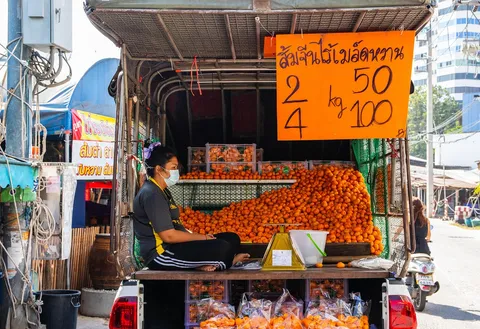
- Cover: „woman, tangerines, market, fresh, sale”, author: Thailand_becausewecan, licence Pixabay Content License; cropped or resized.
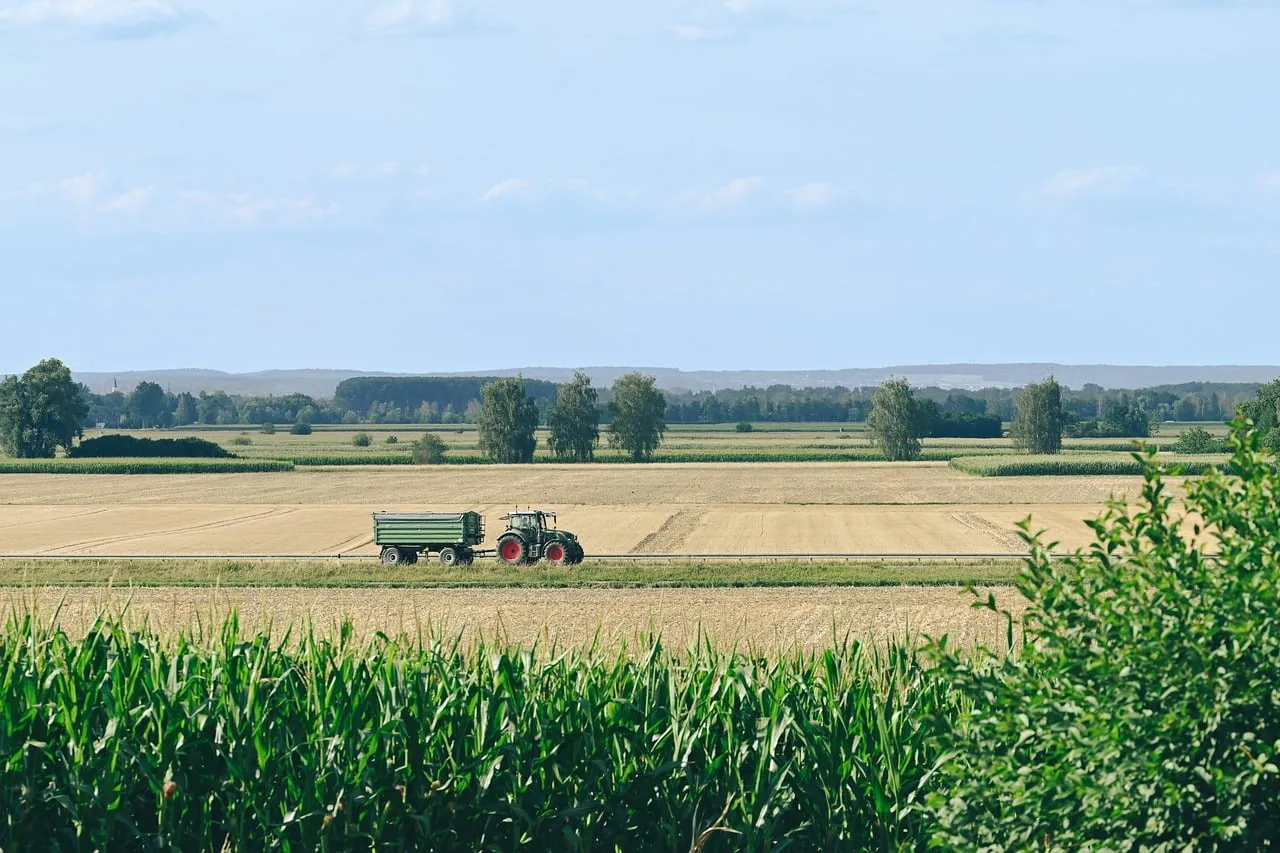
- Photo 1: „tractor, field, summer landscape, dirt road, agriculture”, author: Alexas_Fotos, licence Pixabay Content License; cropped or resized.
Tags
Share with friends