UK carbon border levy to exempt EU, EEA and Swiss goods from 1 January 2027
HM Revenue & Customs has published draft legislation that would exempt goods originating in the EU, the European Economic Area (EEA) and Switzerland from the UK's Carbon Border Adjustment Mechanism (CBAM) from 1 January 2027. The draft is still subject to the parliamentary process.
Author: Thames Compass editorial teamPublished: 2 min read
The draft concerns the Carbon Border Adjustment Mechanism (CBAM), a charge on the emissions embodied in imported goods. According to the document published by HM Revenue & Customs on 23 November 2026, goods originating in the EU, the EEA and Switzerland would be excluded from it. The exemption is intended to apply to eligible goods imported into the UK from 1 January 2027.
These goods would not count towards the £50,000 CBAM registration threshold and would not need to be reported on a UK CBAM return, even if an importer exceeds that threshold.
The draft also sets out a framework that would allow similar exemptions for goods from other countries or territories whose emissions trading schemes are linked to the UK Emissions Trading Scheme (UK ETS). The legislative conditions would have to be met.
Timing
The exemption for EU, EEA and Swiss goods is due to start on 1 January 2027. The document expects the legislation to receive Royal Assent after that date, so it would take effect retrospectively once enacted.
Until then, importers must continue to meet current requirements, including keeping the records CBAM requires. Those expecting to benefit from the exemption should keep evidence of the origin of their goods.
The draft is subject to the Parliamentary process and may change. Further information on what businesses need to do before it takes effect is due to be published in GOV.UK guidance and in the CBAM Policy Summary.
What this means for you
The rules are aimed at importers of goods, meaning businesses rather than private individuals. People running businesses that import goods from the EU, the EEA or Switzerland would, once the legislation is enacted, not pay CBAM on those goods from 1 January 2027, but would still need to keep origin records. The document does not mention any effect on prices for consumers.
Sources
This article was prepared automatically by AI from the listed sources and published without prior editorial review. Spotted a mistake? Use the “Report an error in this article” button.
Photos
- Cover: „port, ship, water, sea, crane”, author: smartschwarz, licence Pixabay Content License; cropped or resized.
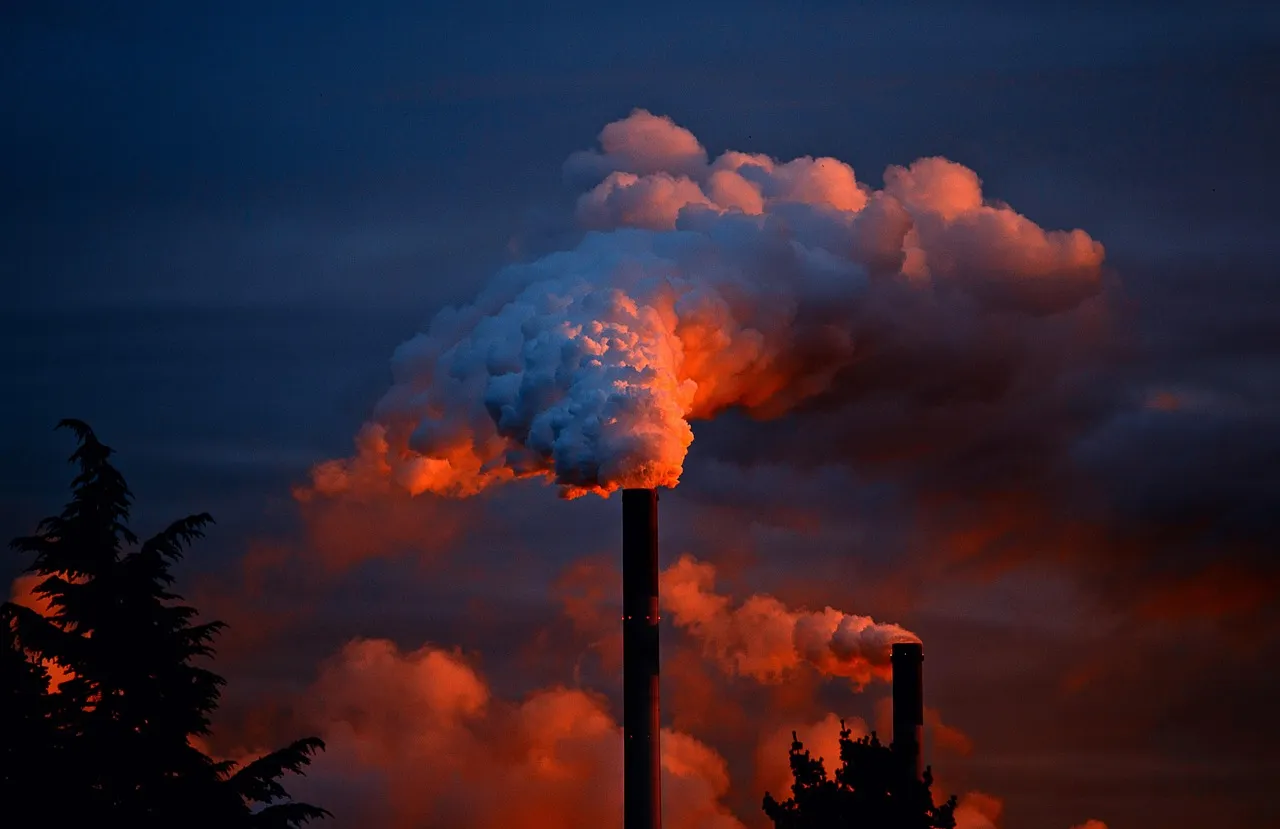
- Photo 1: „smoke, chimney, pollution, smoking, environmental protection”, author: JuergenPM, licence Pixabay Content License; cropped or resized.
Tags
Share with friends