HMRC: higher Income Tax rates on property and savings income from April 2027
From April 2027, Income Tax rates on property and savings income will rise to 24%, 44% and 49%, according to an HMRC note published on 29 October 2026.
Author: Editorial teamPublished: 2 min read
Contents
HMRC has published a tax information and impact note on changes to Income Tax rates for property income and savings income. The changes apply to the 2027 to 2028 tax year and later years. The document was published on 29 October 2026, and the change itself was announced at Budget 2026.
The new rates
From April 2027, Income Tax rates on property income will be:
- 24% – basic rate,
- 44% – higher rate,
- 49% – additional rate and trust rate.
The same rates apply to savings income: 24% (basic), 44% (higher) and 49% (additional and trust rate).
The property rates will apply to individuals in England, Wales and Northern Ireland. The Scottish and Welsh governments are to be able to set property income rates under their existing Income Tax powers. The savings rates will apply across the UK.
The note describes the change as an increase of 2 percentage points at the basic, higher and additional rates, starting on 6 April 2027.
Who will be affected
HMRC estimates that around 5% of taxpayers will see a tax rise from the property rates, averaging £225 a year in 2027 to 2028. Around 12% of taxpayers will pay more because of the savings rates, by an average of £113 a year.
The measure is expected to raise extra revenue for the Exchequer. From property income: £35 million in 2027 to 2028 and £575 million in 2028 to 2029. From savings income: £125 million in 2027 to 2028 and £555 million in 2028 to 2029. For savings, the note also shows £15 million in 2026 to 2027.
No new obligations
HMRC stresses that the changes create no new tax obligations and do not change reporting requirements. Tax will be handled through existing channels: Self Assessment or PAYE. Where tax is collected through PAYE, this is done through tax codes issued to employers. The note points out that most taxpayers do not pay tax on savings income at all. Among those who do, most have it deducted automatically through PAYE.
What this means for you
The change affects anyone in the UK who rents out property or has savings on which they pay Income Tax. That includes people with a rental property or with interest above the tax-free limits. Those already filing under Self Assessment will not get new forms, but from 2027 to 2028 their tax will be calculated at the higher rates. It is worth checking your own situation with HMRC or a tax adviser.
Sources
This article was prepared automatically by AI from the listed sources and published without prior editorial review. Spotted a mistake? Use the “Report an error in this article” button.
Photos
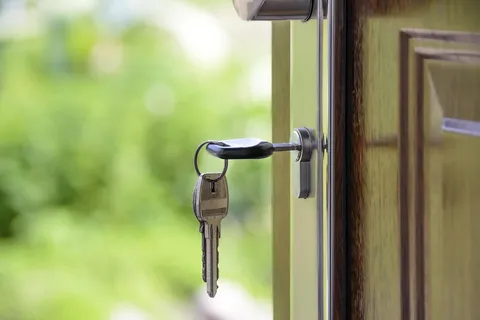
- Cover: „house, keys, the door, castle, the background”, author: AS_Photography, licence Pixabay Content License; cropped or resized.
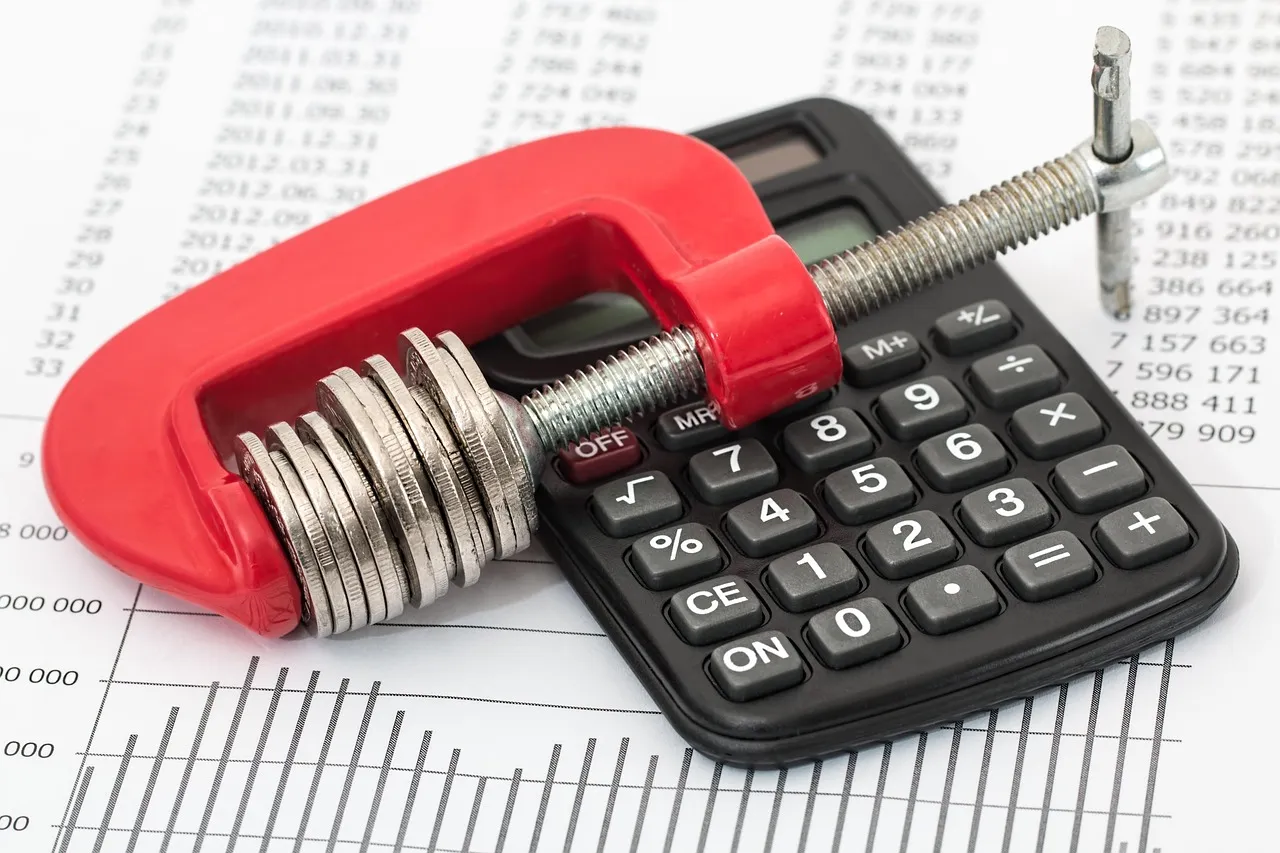
- Photo 1: „savings, budget, investment, money, finance”, author: stevepb, licence Pixabay Content License; cropped or resized.
Tags
Share with friends