HMRC: public and workplace EV charging is not "domestic use" for VAT and Climate Change Levy
HMRC says that from 1 November 2026, electricity from publicly accessible and workplace charging points is not supplied for domestic use for VAT or Climate Change Levy purposes.
Author: Editorial teamPublished: 2 min read
Contents
HMRC published Revenue and Customs Brief 13 (2026) on 28 October 2026, explaining how VAT and the Climate Change Levy (CCL) apply to electric vehicle charging away from home.
What is changing
The government has clarified in legislation that electricity supplied through publicly accessible charging points is not supplied for domestic use. The same applies to charging points that employees and contractors can use at their workplace. The new rules take effect on 1 November 2026.
For VAT, this means such supplies are standard rated. The exception is where electricity is supplied to a charity and used for non-business purposes.
The Climate Change Levy is not charged on electricity supplied for domestic use. The legislation therefore states explicitly that public and workplace charging points are also not treated as domestic supplies for CCL. HMRC says this is intended to let businesses account for the levy correctly.
Background
Supplies of electricity for domestic use are usually subject to the reduced rate of VAT. A temporary zero rate of VAT has applied in Great Britain since 1 October 2026. The relief for domestic electricity was introduced before electric vehicle charging existed, and questions were raised about whether it covers some charging points.
The government decided to legislate after the First-tier Tribunal ruling in the Charge My Street Ltd case. According to HMRC, the new rules give statutory effect to its longstanding policy.
What can still qualify for relief
HMRC states that electricity used to charge a car as part of a general supply of electricity to a home may still qualify for VAT relief and be treated as domestic use for CCL. Relief may also apply to a separate supply through a stand-alone charging point provided for private residential use at a particular dwelling, residential building or building used for a specified residential purpose.
The brief is aimed mainly at public charge point operators and VAT advisers. More information is available in VAT Notice 701/19.
What this means for you
The brief mainly concerns businesses, but it may interest electric vehicle drivers, as well as business owners and employers who provide chargers. According to HMRC, charging at home as part of an ordinary electricity supply may still benefit from relief. Electricity from public chargers and workplace chargers will not be treated as domestic use. The brief does not say how the change will affect prices for drivers.
Sources
This article was prepared automatically by AI from the listed sources and published without prior editorial review. Spotted a mistake? Use the “Report an error in this article” button.
Photos
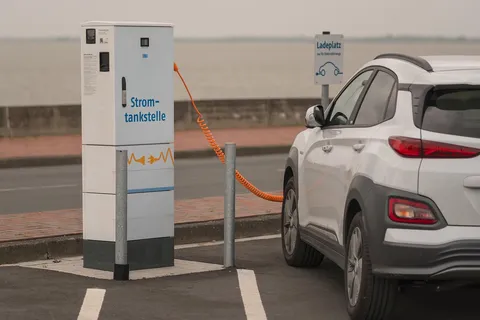
- Cover: „charging station, e mobility, loading column, e car, traffic turning”, author: AKrebs60, licence Pixabay Content License; cropped or resized.
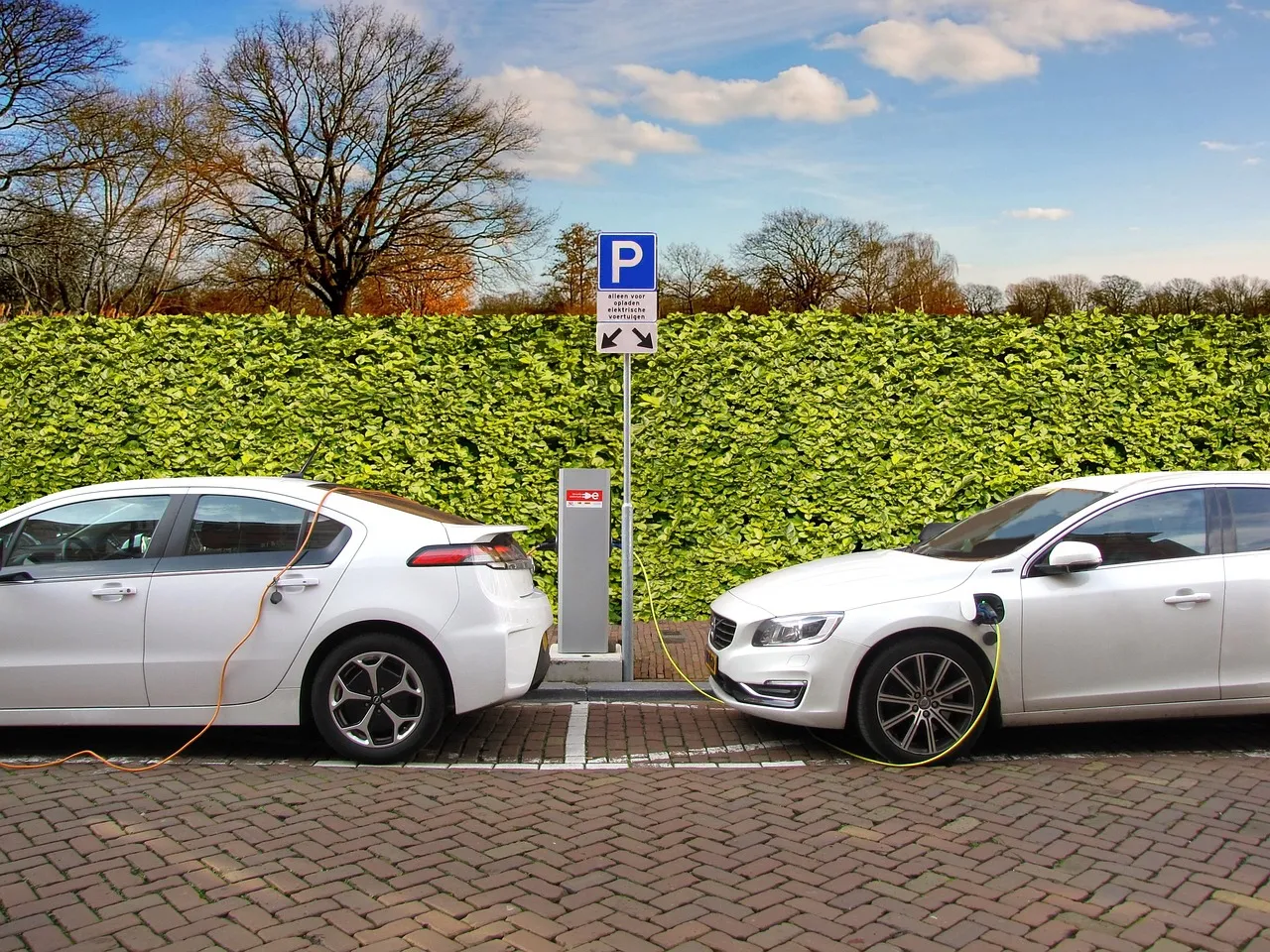
- Photo 1: „electric car, hybrid car, load, charging post, charging station”, author: Joenomias, licence Pixabay Content License; cropped or resized.
Tags
Share with friends