Government plans new law and watchdog for police use of facial recognition
On 4 November 2026 the Home Office announced statutory rules for police use of facial recognition and an independent watchdog that could, in extreme cases, stop forces from using it.
Author: Editorial teamPublished: 3 min read
The UK government wants to bring order to the rules on how police use facial recognition technology. The Home Office announced the plans on 4 November 2026, following a public consultation.
What will change
Three main measures are planned:
- An independent watchdog. The new body will oversee police use of current and future technologies. It will advise on standards, make recommendations to ministers and be able to pursue enforcement action. Where a force fails to comply with the rules, this could result in a court injunction preventing it from using these tools.
- Testing for bias. Technologies used by law enforcement are to be rigorously and independently tested for discrimination on grounds of age, gender or race.
- A specific law. It will state clearly that police may use facial recognition only when it is intelligence-led and proportionate, that is, when officers believe wanted people could be present in an area.
Working with the new regulator, the government also wants to develop a legal code of practice that all police forces must follow. A separate code will be created for the private sector, including shops that use the technology to tackle crime.
According to the Home Office, existing requirements are spread across a patchwork of rules, and a clear, consistent set of laws is needed.
Figures cited by the government
The Home Office says static live facial recognition cameras piloted in Croydon between October 2025 and March 2026 led to 173 arrests. Those arrested included suspects wanted for rape, kidnap and sexual assault. The Met reported a 10.5% drop in overall crime in the area compared with the previous year, and a 21% fall in offences linked to violence against women and girls.
At this year's Notting Hill Carnival, police used the technology to stop 86 registered sex offenders. Seven of them were arrested for breaching civil orders or notification requirements.
The department also said it had independently tested a new algorithm for retrospective facial recognition, which it describes as highly accurate and free of bias, and which will be available to police forces from next year. The algorithm used in the live facial recognition vans has also been independently tested. The changes follow an £11 million investment to triple the number of such vans available to police in England and Wales.
Home Secretary Shabana Mahmood described the technology as the biggest breakthrough for catching criminals since DNA matching. She added that its use must be fair, safe and proportionate.
What this means for you
The announcement does not yet introduce new obligations for residents. It concerns how police and businesses operate, and people living in the UK may encounter cameras in public spaces just like anyone else. The announcement does not give details of the legislation, including when it will take effect.
Sources
This article was prepared automatically by AI from the listed sources and published without prior editorial review. Spotted a mistake? Use the “Report an error in this article” button.
Photos
- Cover: „cop, policewoman, colleagues, fun, figure”, author: Alexas_Fotos, licence Pixabay Content License; cropped or resized.
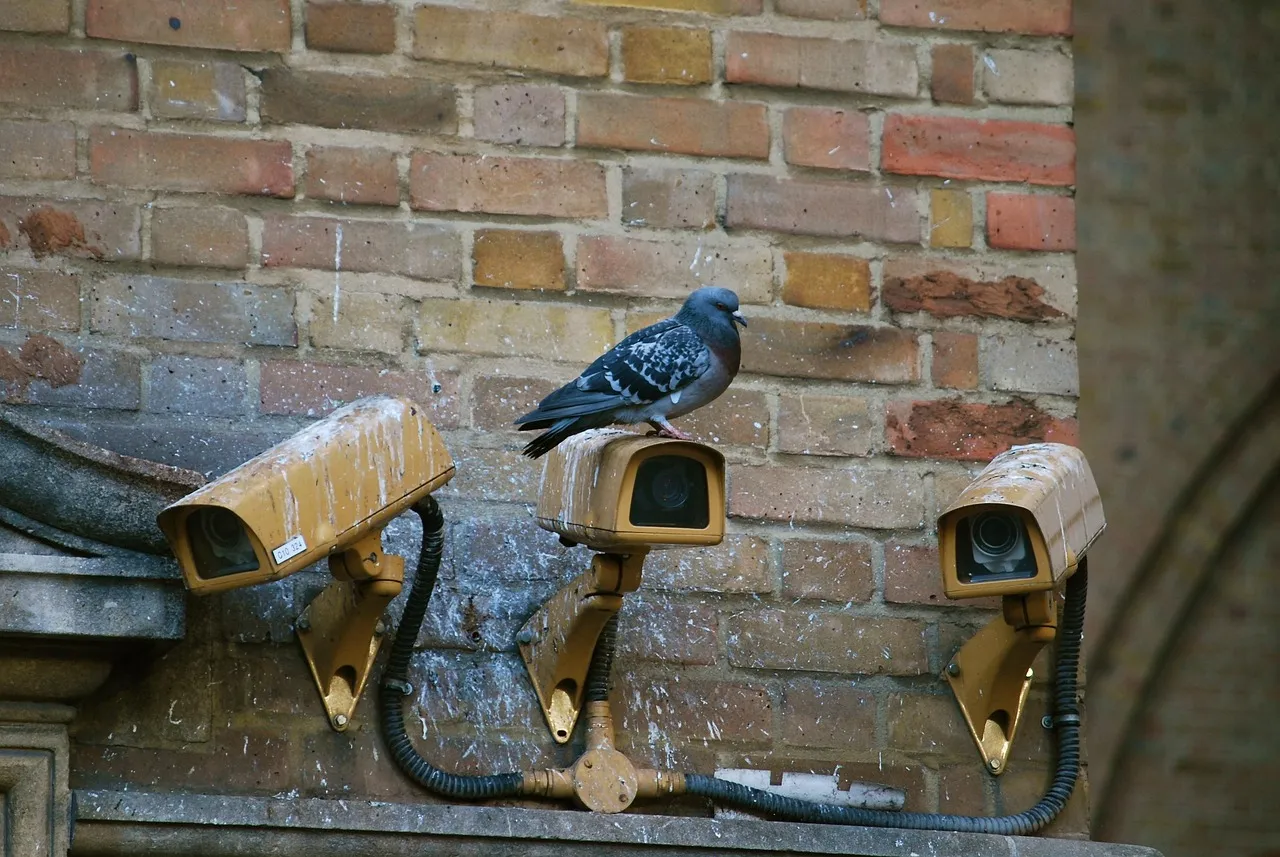
- Photo 1: „camera, spy, pigeon, surveillance, security”, author: staffordgreen0, licence Pixabay Content License; cropped or resized.
Tags
Share with friends