Home Office on police AI: new PoliceAI centre and £115m for technology
The Home Office has set out how it supports police in England and Wales to adopt AI. A National Centre for AI in Policing (PoliceAI) has been set up, and the government plans £115m for the effort.
Author: Editorial teamPublished: 3 min read
Contents
The Home Office has published a factsheet on GOV.UK explaining how the government supports police forces in England and Wales to use artificial intelligence (AI) responsibly. The document covers who is responsible for what, funding, and the tasks of the new National Centre for AI in Policing, known as "PoliceAI".
Money for police AI
According to the document, in 2024–25 and 2025–26 the government invested over £50m in police AI adoption. The money went towards testing facial recognition algorithms, live facial recognition vans, software for redacting audio and video files, and work on detecting deepfakes.
In the Police Reform White Paper, the government announced a further £115m over three years for AI and automation. Together with £26m for a national facial recognition system, the package comes to £141m. It also announced 40 new live facial recognition units, intended for high-crime hotspots and town centres.
What PoliceAI is
The centre began mobilising in April 2026 and was formally launched in June. It is run by a team hosted at the College of Policing and is due to move into the future National Police Service. The interim director is Alex Murray, the AI lead at the National Police Chiefs' Council (NPCC).
The centre is meant to:
- test and assess AI tools in a UK policing context, including in a "sandbox" before deployment;
- help forces adopt tools, including by contributing to set-up and training costs;
- maintain a public register of AI tools used by police.
In its first year the focus will be on case file and disclosure assistants, crime data integrity tools, rapid analysis of CCTV and digital media, and image classification. Pilots of transcription and translation tools are also planned.
The document is explicit about what the centre will not do. It will not make ethical judgements on whether a tool should be used, or take operational decisions based on AI output. That remains with the chief officers of individual forces. It will also not host models for day-to-day policing or focus on commercialisation.
Rules and oversight
The government stresses that police AI must be lawful, ethical and transparent, and its performance assessed before use. Police must comply with laws including the Equality Act 2010 and the Data Protection Act 2018. The government does not currently support using AI to answer 999 emergency calls. It can, however, help triage 101 non-emergency calls.
The register is to describe what each tool does, what risks have been identified and how they are mitigated. The rules on disclosure are still being developed. The government expects all chief constables to complete the register once it is available. In December 2025 a consultation also opened on a new legal framework for law enforcement use of biometrics and facial recognition.
What this means for you
The document concerns police in England and Wales and does not change rules on residence or work. However, people living in the UK may increasingly encounter facial recognition cameras in town centres, and the register is meant to let the public check which AI tools police use. Pilots of translation tools are also planned, but the document does not say in which languages or when they might operate.
Sources
This article was prepared automatically by AI from the listed sources and published without prior editorial review. Spotted a mistake? Use the “Report an error in this article” button.
Photos
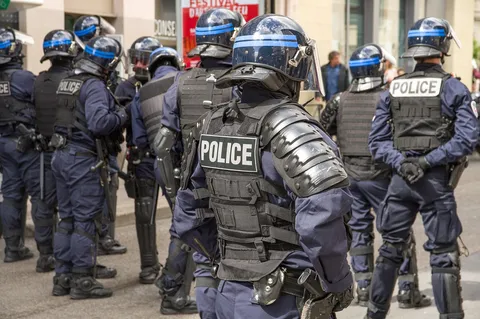
- Cover: „france, police, security, expression, helmets”, author: jackmac34, licence Pixabay Content License; cropped or resized.
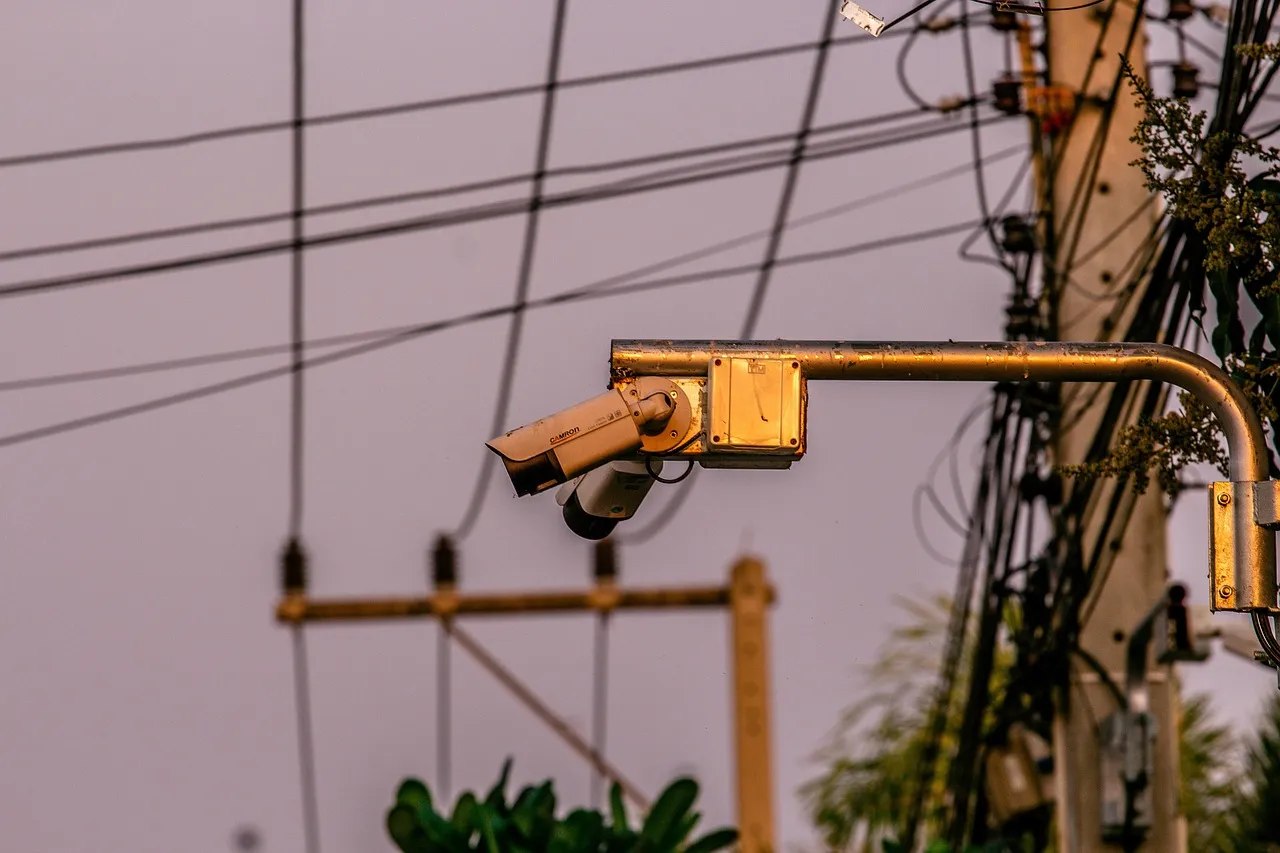
- Photo 1: „camera, closed circuit, security, cctv, spy”, author: Rattakarn_, licence Pixabay Content License; cropped or resized.
Tags
Share with friends