Erasmus+ returns to the UK from 2027: what it means for people living in the UK
The UK is rejoining the Erasmus+ programme. The agreement with the EU was formally signed on 15 April 2026, and UK participation is due to start on 1 January 2027.
Author: Thames Compass editorial teamPublished: 2 min read

The UK is returning to Erasmus+, the programme it left after Brexit. The UK government and the European Union announced the agreement on 17 December 2025, and signed the legal text in Brussels on 15 April 2026. According to government documents, UK membership is due to take effect on 1 January 2027.
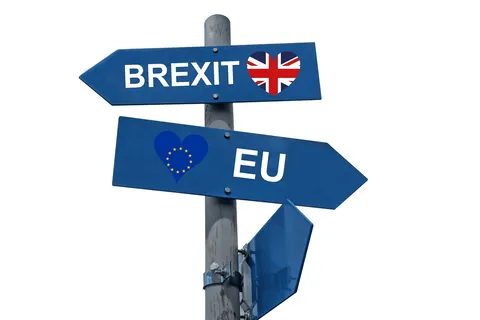
Before Brexit the UK took part in the programme, but after leaving the EU it declined to continue, citing "value for money", meaning the benefit to taxpayers.
Financial terms
The government estimates the UK's contribution for 2027 at around £570 million. It says it secured a 30% discount compared with the standard terms under the EU–UK Trade and Cooperation Agreement.
The arrangement covers the 2027/28 academic year. Any participation beyond 2028 will need separate agreement as part of the EU's next multiannual financial framework.

What this means for you
Erasmus+ funds exchanges and partnership projects, but grants go to organisations such as schools, universities, colleges and youth organisations, not directly to individuals. Students, pupils and trainees in the UK are therefore most likely to benefit when their institution applies and is selected. There is no guarantee that every school will apply, so it is worth asking the Erasmus coordinator at your institution.
According to government guidance, the next funding round is expected to open in November 2026 and close in February 2027. Exact dates are due to be confirmed in the 2027 Erasmus+ Programme Guide, which is likely to be published in autumn 2026.
Who runs the programme
The British Council is set to become the UK's National Agency for Erasmus+. The European Commission is due to confirm the appointment later in 2026. The agency will help organisations apply. Organisations interested in taking part should start considering the types of projects they want to join and the partners they could work with in other European countries.
Sources
This article was prepared automatically by AI from the listed sources and published without prior editorial review. Spotted a mistake? Use the “Report an error in this article” button.
Photos
- Cover: „library, la trobe, study, students, row”, author: andrew_t8, licence Pixabay Content License; cropped or resized.
- Photo 1: „woman, english flag, student, confident, female”, author: u_m643jm1yhc, licence Pixabay Content License; cropped or resized.
Tags
Share with friends