Budget 2026: what changes for UK drivers – fuel duty, electric cars, pay-per-mile charge
The Budget presented on 28 October 2026 extends the fuel duty freeze to 1 July 2027. A pay-per-mile charge for electric and plug-in hybrid cars was also confirmed from April 2028.
Author: Editorial teamPublished: 3 min read

Contents
The Chancellor presented the autumn Budget to the House of Commons on 28 October 2026. It contains several decisions affecting drivers in the UK. According to Polish Express and official documents, these are the main changes.
Fuel duty
The government is extending the freeze on fuel duty and the temporary 5p cut until 1 July 2027. According to the House of Commons Library, that is the date on which the cut would be fully reversed and rates would rise in line with RPI inflation. The government argues that the extension keeps fuel duty as low as at any point in more than 16 years. The HGV road tax holiday has also been maintained.
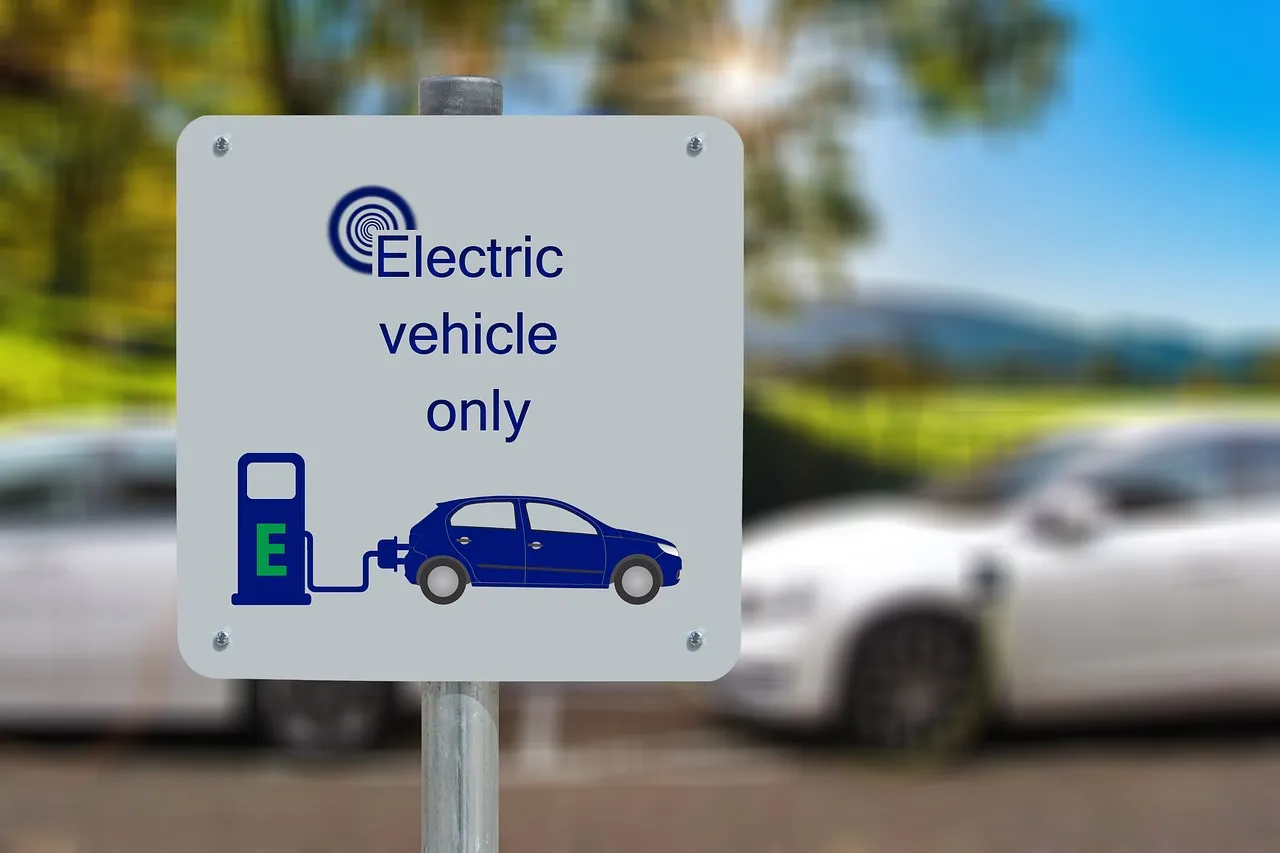
Pay-per-mile charge for electric cars
The Electric Vehicle Excise Duty (eVED), announced in the 2025 Budget, has been confirmed. It will start in April 2028 and be paid alongside standard vehicle excise duty (VED). The rates are 3p per mile for electric cars and 1.5p per mile for plug-in hybrids. The aim is to offset falling fuel duty revenue as drivers switch to electric vehicles.
Polish Express reports that drivers will pay in advance based on their own estimate of annual mileage, with a settlement at the end of the year. The government has not yet explained the administrative details.
Home and public charging
The government is extending the zero rate of VAT on household electricity until July 2027. According to Polish Express, this keeps the cost of charging a car at home relatively low, while VAT on public charge points remains at 20%.
The same outlet reports a plan to spend £100 million over two years, from spring 2027, to cut the cost of charging at slower points on residential streets. According to government estimates cited by the outlet, this could save drivers around £150 a year on average. It does not apply to fast chargers on long journeys.
Grant and business mileage
According to Polish Express, there are no changes to the grant for new electric cars priced under £37,000. The discount is up to £3,750.
For people using their own car for work, the tax-free rate is set at 55p per mile for the first 10,000 miles. Above that distance, the rate rises from 25p to 35p per mile.
What this means for you
The fuel duty freeze applies to all petrol and diesel drivers in the UK. Owners of electric cars and plug-in hybrids should factor the pay-per-mile charge into their plans from April 2028. People who use their own car for work may benefit from the higher rate per mile above 10,000 miles. Some details still require legislation, so it is worth following government announcements.
Sources
This article was prepared automatically by AI from the listed sources and published without prior editorial review. Spotted a mistake? Use the “Report an error in this article” button.
Photos
- Cover: „highway, city, cars, traffic, nature”, author: zdrsoft, licence Pixabay Content License; cropped or resized.
- Photo 1: „charging station, electric gas station, electric car, eco, gas station”, author: geralt, licence Pixabay Content License; cropped or resized.
Tags
Share with friends