Budget 2026: higher tax rates on savings and property income from April 2027
HMRC has published an overview of the tax changes in Budget 2026. From 6 April 2027, income tax rates on savings and property income will rise, while the main income tax rates stay the same.
Author: Editorial teamPublished: 3 min read

Contents
HM Revenue & Customs published the OOTLAR document on 28 October 2026. It is an overview of the tax legislation and rates announced in Budget 2026, and it was last updated on 5 November 2026. It is aimed mainly at tax practitioners and sets out what will go into Finance Bill 2026-27.
Tax on savings and property income
From the 2027-28 tax year, income tax rates on savings income will rise. The savings basic rate will be 24%, the higher rate 44% and the additional rate 49%. The change takes effect on 6 April 2027 and applies across the UK.
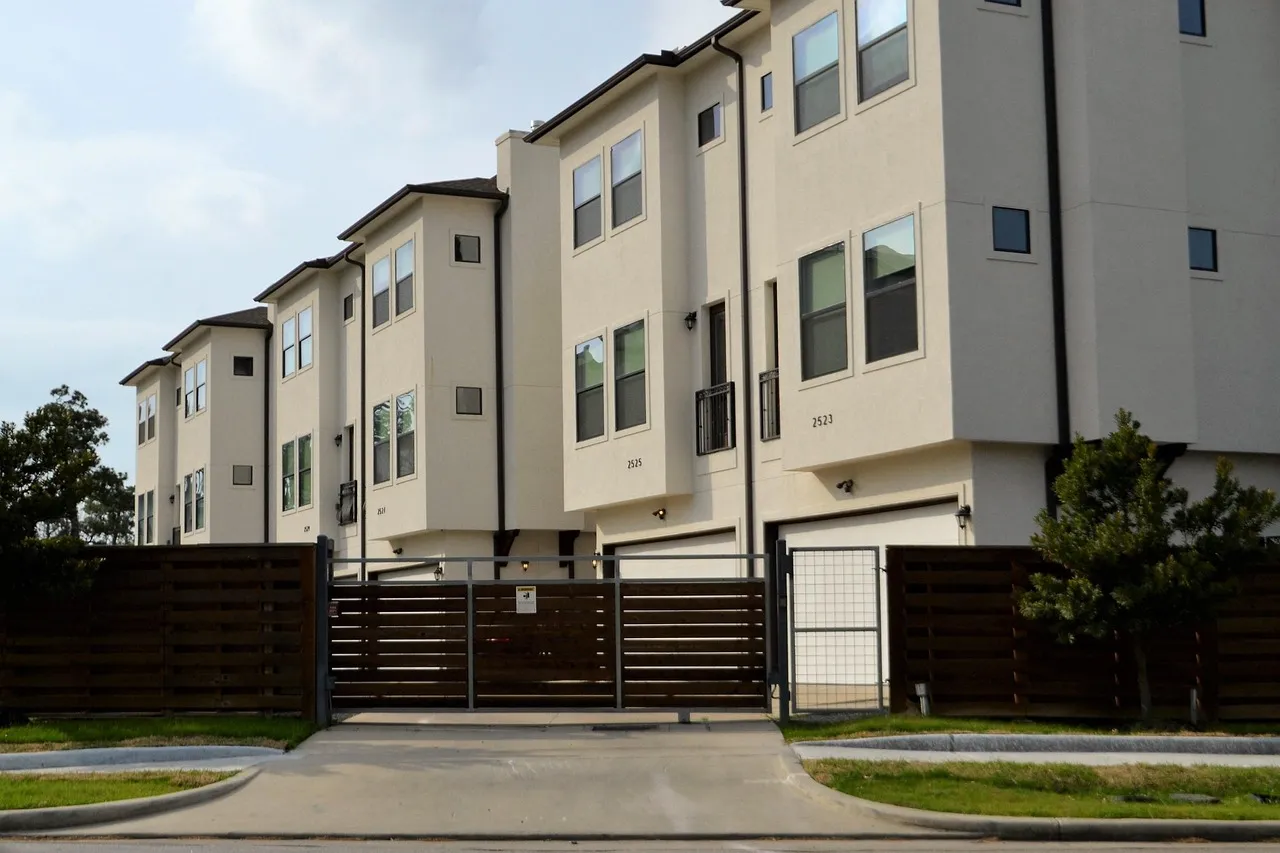
The same rates (24%, 44% and 49%) are to apply to property income, such as rental income. According to the document, they will apply in England, Wales and Northern Ireland. The government has also given the Scottish and Welsh governments the ability to set property income rates within their existing income tax powers. Until 2026-27, property income is taxed at the main rates.
The main income tax rates for 2027-28 stay the same: 20%, 40% and 45%. The bands do not change either: the basic rate covers income from £1 to £37,700, and the higher rate applies up to £125,140. Dividend tax rates also stay the same (10.75%, 35.75% and 39.35%).
Other changes for individuals
- The Trading Allowance, which covers small trading and miscellaneous income, will rise from £1,000 to £3,000 from 6 April 2027. The Self Assessment reporting threshold for such income will also rise to £3,000.
- The lifetime limit for Business Asset Disposal Relief (a capital gains tax relief on selling a business) will fall from £1,000,000 to £500,000 for disposals made on or after 6 April 2027.
- From April 2028, there will be an additional council tax charge (the High Value Council Tax Surcharge) on homes worth £2m or more.
- From 1 April 2028, Electric Vehicle Excise Duty will start: 3 pence per mile for battery electric and hydrogen fuel cell vehicles, and 1.5 pence per mile for plug-in hybrids.
- Alcohol duty rates will rise in line with RPI inflation from 1 February 2027.
- Child Benefit overpayments will be offset against High Income Child Benefit Charge payments linked to that overpayment. The rule is to have retrospective effect from the charge's introduction in January 2013.
Employers and immigration
An employer's payment of a certificate of sponsorship fee or the Immigration Skills Charge, which are due when sponsoring a worker on the Skilled Worker route, will be exempt from income tax. The exemption covers payments made on or after 28 October 2026.
What this means for you
The changes will matter most to people whose savings interest exceeds their tax-free allowance, or who rent out property, including property abroad where it is subject to UK tax. The document does not settle that point, so it is worth asking a tax adviser if in doubt. For ordinary employees, income tax rates on earnings do not change in 2027-28. People with small self-employment income may benefit from the higher £3,000 limit.
The document is technical, and some of the measures still need Parliament to pass them as part of Finance Bill 2026-27.
Sources
This article was prepared automatically by AI from the listed sources and published without prior editorial review. Spotted a mistake? Use the “Report an error in this article” button.
Photos
- Cover: „calculator, pay, receipt, bills, debts”, author: blickpixel, licence Pixabay Content License; cropped or resized.
- Photo 1: „real-estate, for rent, rented, driveway, gated community”, author: ArtisticOperations, licence Pixabay Content License; cropped or resized.
Tags
Share with friends