HMRC updates its list of genuine contacts: new entry concerns the Construction Industry Scheme
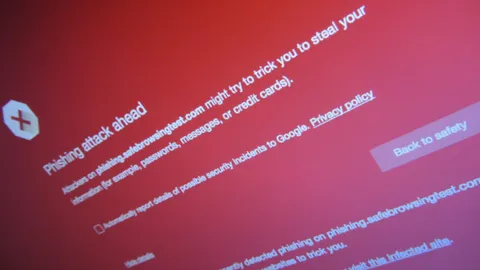
On 6 October 2026, HMRC added to its list of genuine contacts an entry on correspondence for contractors in the CIS. The list helps people recognise scams.
Author: Editorial teamPublished: 3 min read

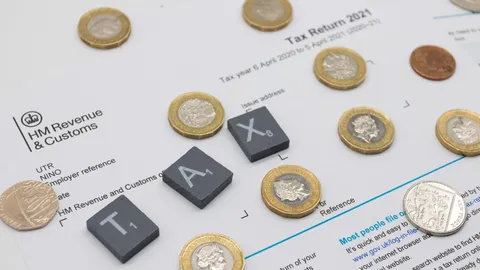
HMRC maintains a page on GOV.UK listing situations in which it may genuinely contact a taxpayer through several channels at once, for example by letter and then by email, phone or text message. The page is meant to help you check whether a suspicious message could be a scam. The last update was on 6 October 2026.
What's new
An entry has been added: "Construction Industry Scheme – incorrect rates on monthly returns". From 7 October to 7 November 2026, HMRC may send an email or letter to contractors registered in the CIS. The reason is checks suggesting that the deduction rate given in monthly returns did not match the subcontractor's verified rate at the time of payment.
In such a message, HMRC asks the contractor to review their monthly CIS returns and read the guidance on common mistakes. It may also ask them to correct errors and provide additional information.
A separate entry concerns subcontractors in the CIS. From 10 August to 31 December 2026, they may receive an email or letter if an error in CIS deductions was found in their annual Self Assessment return. The message explains why a correction was made and what to do if the taxpayer believes the figures are wrong.

Other contacts on the list
The page covers many types of message. Examples:
- from 6 July to 31 December 2026, a letter or text message asking you to check whether you need to pay the High Income Child Benefit Charge. The charge may affect families in which one person has an adjusted net income (ANI) of £60,000 or more and someone receives Child Benefit;
- from 10 August 2026, a letter, text message or email about at least two missing VAT returns. Such messages do not ask for personal, financial or bank details and do not tell you to pay by text message;
- from 3 August to 30 October 2026, an email, letter or phone call inviting you to a short feedback session about the experiences of people who have moved to the UK, including learning about tax obligations;
- a letter, email or text message to people who have traded cryptoassets, with links to guidance on GOV.UK;
- contact about a change to your tax code after starting a new job, with no requests for personal or financial details.
The list also includes research carried out on HMRC's behalf by independent agencies, including Ipsos, Verian, IFF Research and NatCen. Taking part is voluntary, and the agencies do not ask for personal financial details.
What this means for Poles in the UK
The CIS entries concern the building industry, in which many Poles work, both as contractors and as subcontractors. If you receive such a letter or email, the HMRC page lets you check whether this type of contact is genuine in the given period.
The entries on Child Benefit, VAT returns, Self Assessment and the feedback session for people moving to the UK may also be useful. HMRC describes many of these messages as not containing requests for personal or financial details. A request for such details should therefore make you cautious.
If you are in doubt, HMRC gives helplines for some entries so you can confirm that the contact is genuine. Suspicious emails, text messages, social media accounts and phone calls can be reported to HMRC using a form on GOV.UK.
The list is long and updated often. The absence of a particular contact from the page does not in itself prove a scam, but it is a reason to check the sender another way, for example through the official helpline or your tax account.
Sources
This article was prepared automatically by AI from the listed sources and published without prior editorial review. Spotted a mistake? Use the “Report an error in this article” button.
Photos
- Cover: „computer, pc, workplace, home office, desktop computer”, author: janeb13, licence Pixabay Content License; cropped or resized.
- Photo 1: „architect, man, jump, jumping, building”, author: jarmoluk, licence Pixabay Content License; cropped or resized.
Tags
Share with friends