Wrong fuel in your tank: what to do and what repairs cost in the UK
About 150,000 UK drivers a year are estimated to put the wrong fuel in their vehicle. The key rule after a mistake is not to start the engine.
Author: Editorial teamPublished: 3 min read
Contents
Putting the wrong fuel in the car happens in the UK more often than many people think. A 2019 government impact assessment estimates that around 150,000 UK drivers a year fill up with the wrong fuel (known as misfuelling). Polish Express, citing estimates from motoring organisations such as the AA and RAC, says it happens on average every 3–4 minutes.
The most common situations
Mistakes usually happen in households with two cars that run on different fuels, or just after buying a car with a different engine from the previous one.
Petrol in a diesel is, according to Polish Express, the more common and more dangerous mistake. Diesel lubricates the fuel system, including the high-pressure pump and injectors, while petrol acts as a solvent and strips that layer away. After the engine is started, there may be knocking, smoke and loss of power, and eventually the engine stalls.
Diesel in a petrol car is less common, because a diesel nozzle is thicker and usually does not fit a petrol car's filler neck. Symptoms include black or grey smoke from the exhaust and clogged spark plugs and filter or catalytic converter. Mechanical damage is usually smaller than in the opposite case.
What to do after a mistake
- Do not start the engine. In many newer cars the fuel pump switches on as soon as the key is inserted or a door is opened, so do not turn the key to the "ON" position.
- Tell the station staff and ask for help moving the car away from the pump.
- Call a breakdown service (such as the AA, RAC or Green Flag) or use a mobile fuel-drain service (search terms include "wrong fuel drain near me" or "misfuel assistance").
- If the car has already stalled on the road, pull over, switch off the ignition and do not try to restart it.
Costs
According to Polish Express, the expense depends on how far the fuel has got into the system:
- engine not started: draining and flushing the tank costs about £120–£300,
- engine started and car driven: draining, replacing the fuel filter and cleaning the system costs up to about £700,
- serious damage, such as petrol in a diesel needing a new high-pressure pump, injectors, tank and pipes: up to £5,000, and considerably more for premium cars.
On top of that comes the cost of the wrongly added fuel, which has to be disposed of.
Insurance
A standard policy (comprehensive or third party) usually does not cover damage from the wrong fuel, because insurers treat it as driver error rather than an accident. Some insurers and breakdown firms do offer Misfuel Cover as an add-on or as part of a breakdown package. It covers, for example, a mobile tanker visit and draining the fuel. Polish Express names Aviva, Direct Line and Admiral among such firms, but you should check the terms of your own policy. If you make a claim, the insurer may also ask you to pay an excess and remove your no-claims discount (NCD).
What this means for you
Drivers who often change cars (for example hire cars or newly bought ones) or who drive several cars on different fuels should check the fuel type in the manual or on the fuel flap before filling up. It is also worth checking whether your policy or breakdown package includes Misfuel Cover.
Sources
This article was prepared automatically by AI from the listed sources and published without prior editorial review. Spotted a mistake? Use the “Report an error in this article” button.
Photos
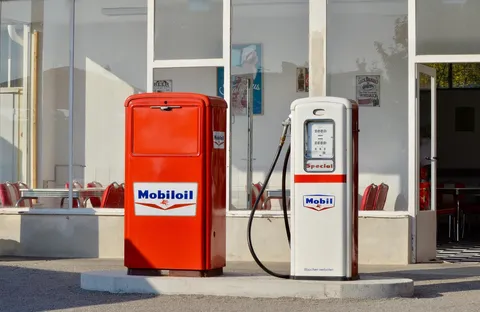
- Cover: „gas station, gas pump, historical, retro, refuel”, author: Fritz_the_Cat, licence Pixabay Content License; cropped or resized.
- Photo 1: „auto, car, garage, auto shop, car wallpapers”, author: Pexels, licence Pixabay Content License; cropped or resized.
Tags
Share with friends