UK and EU agree draft SPS deal: fewer checks on food trade
The UK and the EU have agreed a draft SPS agreement meant to remove some checks and certificates on food trade. The text has been sent to EU member states in Brussels.
Author: Editorial teamPublished: 2 min read
Contents
The UK and the European Union have agreed a draft deal on sanitary and phytosanitary (SPS) standards. It is meant to reduce checks and paperwork in trade in food and agricultural products after Brexit. According to Polish Express, citing the BBC, the draft was agreed ahead of a UK–EU summit planned for November 2026.
What the draft contains
The draft, about 200 pages long, has been sent to EU member states in Brussels, where it will still be examined. The SPS agreement is the most important part of the "reset" in UK–EU relations.
According to UK government estimates, quoted by Polish Express, the deal could bring the UK economy up to £5.1bn a year.
The announced changes include:
- resuming exports to the EU of items such as fresh sausages, burgers, seafood from British waters and seed potatoes,
- scrapping Export Health Certificates, which cost £200,
- scrapping phytosanitary certificates, which cost £25,
- abolishing inspection fees, certificates for organic products and some port charges,
- restoring passports for British pets travelling to the EU.
The government website GOV.UK confirms that the SPS agreement is meant to end the requirement for export health certificates, which cost up to £200 per consignment. Routine border checks on imported food, including dairy, fish, eggs and red meat, are also to be removed. GOV.UK says that on 19 May 2025 the UK and the EU agreed to pursue such an agreement.
The condition: aligning with EU rules
In return, the UK is to follow EU rules on trade in plants, animals and food and keep pace with changes to them. This mechanism is called "Dynamic Alignment".
The deal is particularly important for Northern Ireland, as it is meant to significantly reduce the effects of the Irish Sea border.
Other drafts
Draft agreements were also presented on emissions trading and on a scheme allowing young people to travel and work (the Youth Experience Scheme). Details on the number of participants are to be settled politically in the coming days. The question of lower tuition fees for EU students will most likely slip to next year, as will the plan to link electricity markets.
The government has announced the European Partnerships Bill, which is to create a legal basis for applying the new EU rules.
What this means for you
For now this is only a draft that EU states still have to examine, so nothing has changed yet. If it comes into force, people who run businesses in the UK that import or export food to and from the EU could benefit, as there would be less paperwork and fewer fees. People travelling with a dog or cat should follow the announced return of pet passports. No date for entry into force has been given.
Sources
This article was prepared automatically by AI from the listed sources and published without prior editorial review. Spotted a mistake? Use the “Report an error in this article” button.
Photos
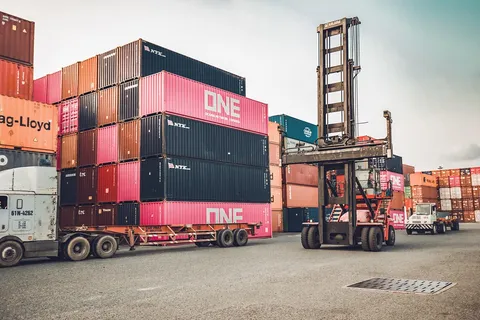
- Cover: „fort lift, port, vietnam, tcit, container”, author: SONVU9491, licence Pixabay Content License; cropped or resized.
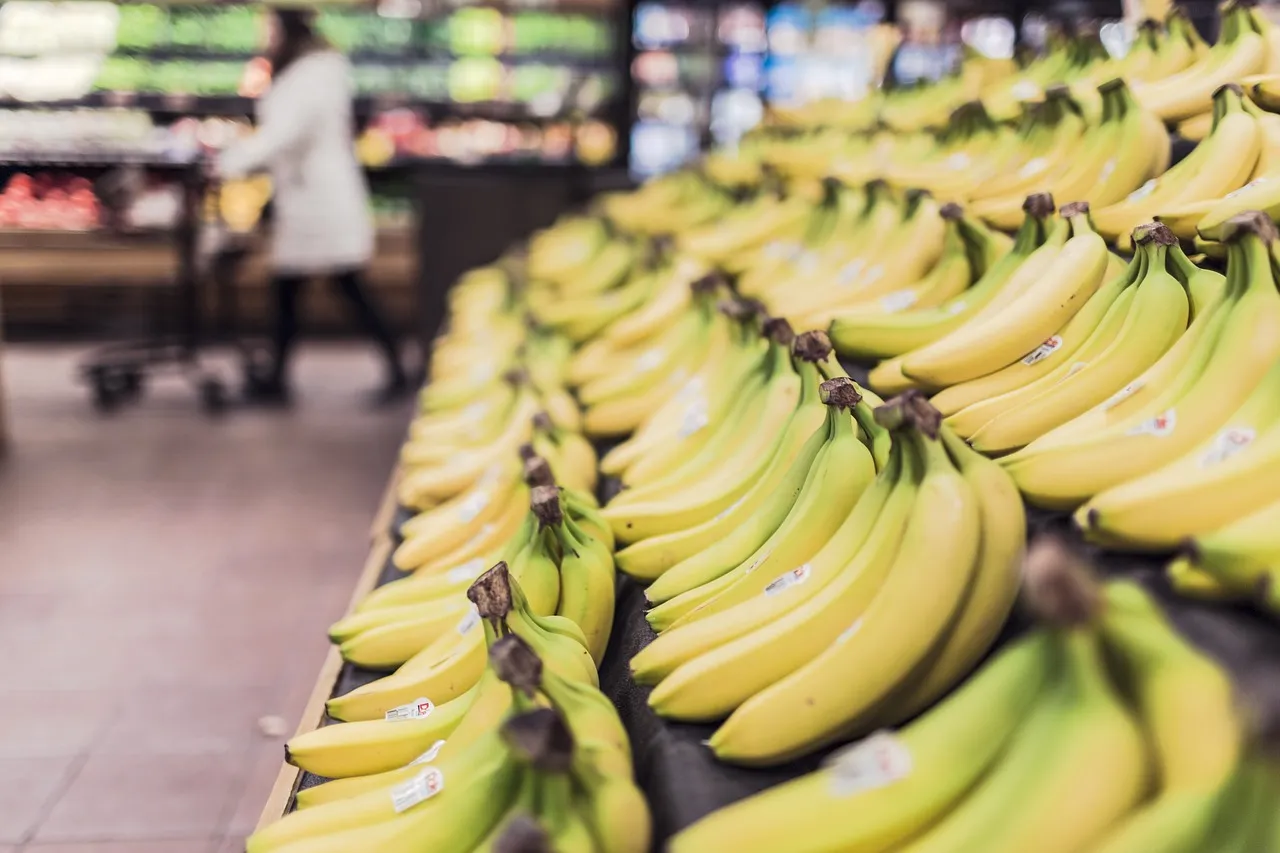
- Photo 1: „bananas, fruits, food, grocery store, supermarket”, author: StockSnap, licence Pixabay Content License; cropped or resized.
Tags
Share with friends