Tyne nurdle spill: more than 5 tonnes recovered, but questions remain
After a ship collision in the Port of Tyne on 19 July 2026, an estimated 17.92 tonnes of plastic pellets entered the water. 5.14 tonnes have been recovered; some drifted into the North Sea.
Author: Editorial teamPublished: Region: Newcastle2 min read
Contents
A clean-up is continuing on England's north-east coast after a spill of plastic pellets, known as nurdles. The incident happened on 19 July 2026 in the Port of Tyne, when the vessel Wind Orca struck the berthed BG Orange.
How many pellets were released and recovered
According to a statement from Northumberland councils, an estimated 17.92 tonnes of pellets entered the marine environment. By 3 September 2026, 4.78 tonnes (cleaned weight) had been confirmed as recovered. Between 3 and 23 September a further 358.85 kg was collected, a sign that much less material is now being found on beaches. In total, 5.14 tonnes have been recovered from the water and beaches.
Adding the pellets the port managed to remove from damaged containers before they fell into the water, almost three quarters of the cargo has now been recovered.
What is known from the research, and what is not
The Scientific and Technical Advice Cell (STAC), working with Newcastle University and Cefas, assesses that many pellets may have dispersed beyond the Tyne estuary into the North Sea. Some may remain in the river. Samples from the Tyne river bed did not find deposits of pellets.
However, modelling cannot predict where and when individual pellets will wash up on a specific beach. They may continue to appear in future, depending on weather, tides and wind. STAC chair Dr Robert Bradburne acknowledged that uncertainty remains about where pellets may appear in future. Further scientific advice, including an ecological assessment, is expected.
The Recovery Working Group is developing thresholds to show when active clean-up at a location can move to monitoring, and when new accumulations require action to resume. Experts have said that recovering every pellet is not achievable.
Change in clean-up methods
According to North Tyneside authorities, the contractors, Briggs Marine and its subcontractor Nurdle UK, previously used large suction equipment. This is no longer considered the most effective method in current conditions, so work will continue with a different approach, including additional local labour. Preparations are also under way for future periods of spring tides.
What this means for you
Authorities consider the risk to public health very low, and the pellets are not toxic, but they can harm animals if swallowed. Residents of the region who want to help with the clean-up can use the guidance for volunteers published by the county councils.
Sources
This article was prepared automatically by AI from the listed sources and published without prior editorial review. Spotted a mistake? Use the “Report an error in this article” button.
Photos
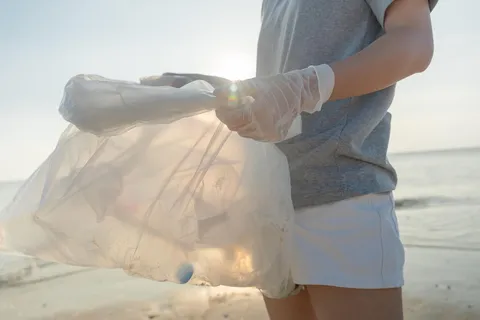
- Cover: „volunteer, pollution, bottle plastic, environment, sea”, author: chaiyananuwatmongkolchai, licence Pixabay Content License; cropped or resized.
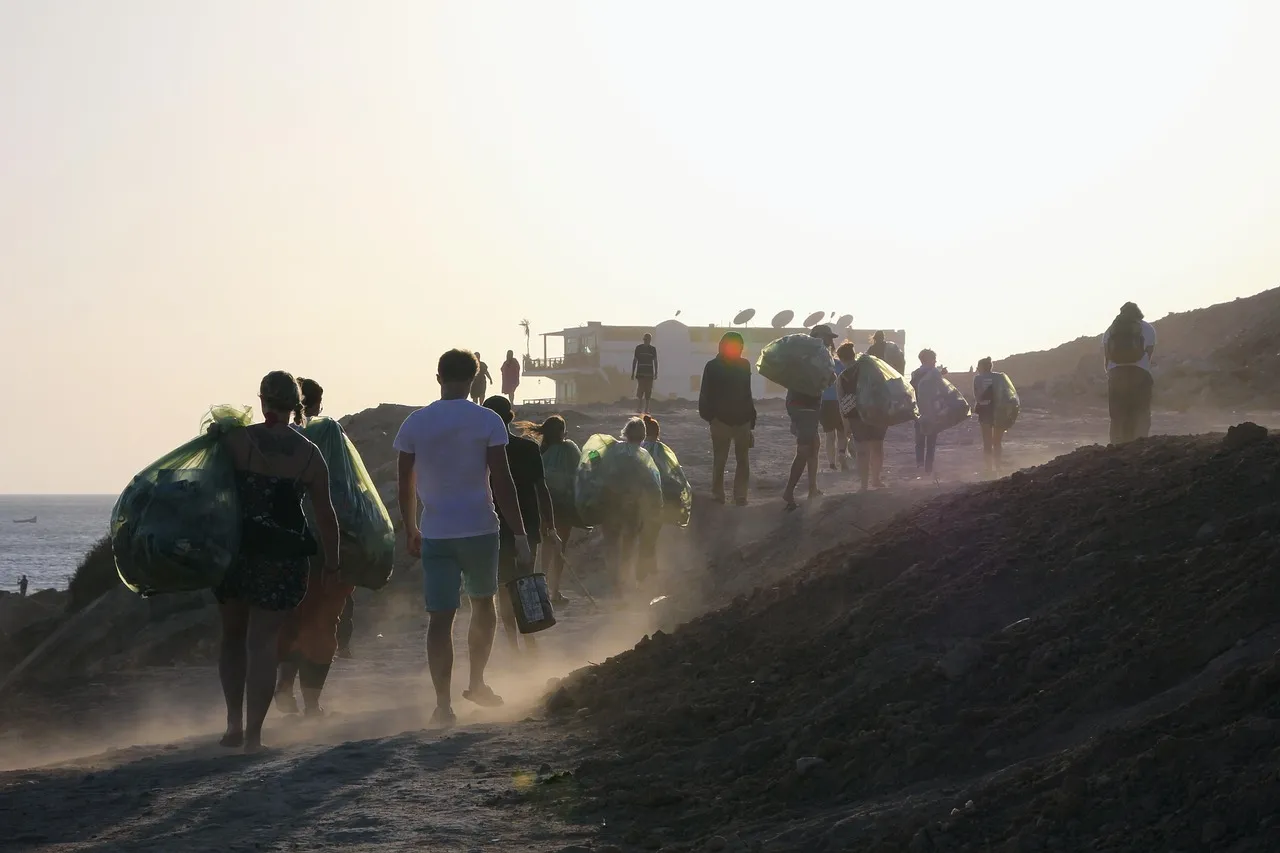
- Photo 1: „beach cleaning, garbage collector, garbage, collect, garbage bags”, author: Peggy_Marco, licence Pixabay Content License; cropped or resized.
Tags
Share with friends