Tap water in the UK and PFAS: regulator says it is safe, but bottled water is not chemical-free either
The Drinking Water Inspectorate considers tap water in England and Wales safe, though it admits traces of PFAS are found in some raw water. The substances also turn up in bottled water.
Author: Editorial teamPublished: 2 min read
Contents
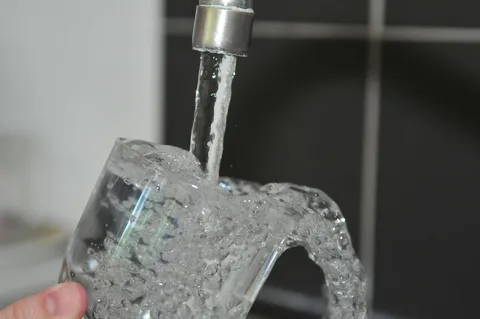
Tap water in Britain is regarded as one of the most tightly controlled in the world. Its quality in England and Wales is overseen by the Drinking Water Inspectorate (DWI). The regulator does admit, however, that traces of PFAS, or so-called "forever chemicals", are detected in some sources.
What PFAS are
PFAS are a family of at least 5,000 substances. They are called "forever chemicals" because they break down very slowly. They are used in cosmetics, outdoor clothing, food packaging, frying pans and dishwasher rinse aids.
According to the DWI, toxicity data is lacking for many of these compounds. Some, such as PFOA and PFOS, have been linked to adverse health effects at sufficiently high exposure. Their use has been restricted in England and Wales under UK REACH.
What the regulator says
The DWI says the low levels of PFAS detected in some untreated water sources have no acute or immediate effect on health. In its view, drinking water is only one route of exposure, alongside chemical products, food and household dust.
There are no statutory standards for PFAS in drinking water in England and Wales, and no World Health Organization guideline value. The DWI has therefore introduced precautionary guideline values. In March 2025 it published updated guidance setting a value of 0.1 micrograms per litre for the sum of 48 named PFAS. Water companies must follow it and, where necessary, apply extra treatment or blend water from other sources.
What about bottled water?
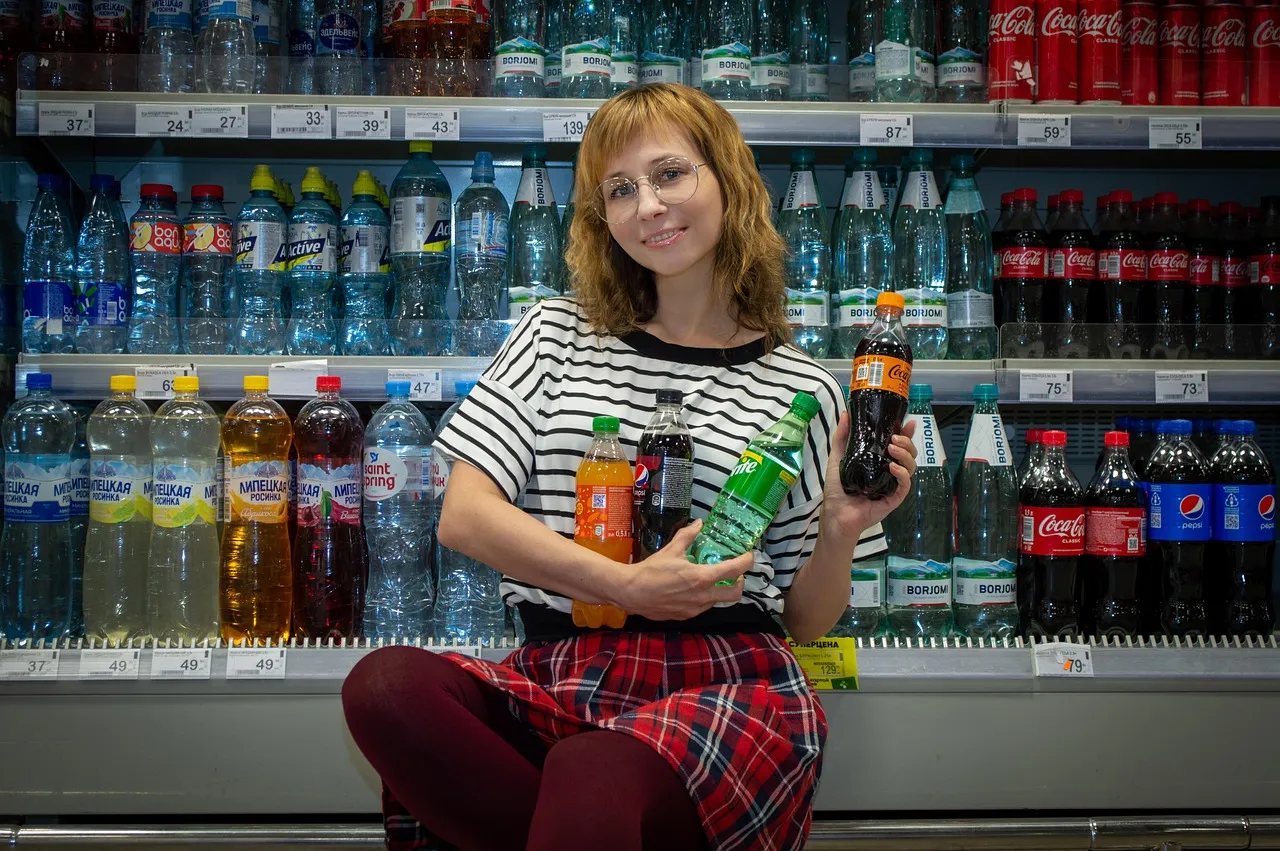
Polish Express, on whose report this article is based, cites research by the University of Birmingham. According to that account, PFAS were found in both tap water and bottled water. In samples from 15 countries, including the UK, more than 99% of bottled water samples reportedly contained PFOA and PFOS. The author also stresses that bottled water is not tested as often as tap water, and there are no uniform PFAS limits for it.
This suggests bottled water is not safer than tap water by default. The choice, however, remains a personal one.
What this means for you
Practical tips cited in the source:
- Drink from the cold tap. Water from the hot tap may pass through a heating tank.
- London water is hard and leaves limescale. A jug filter or descaling can help. The taste of chlorine fades if water stands in the fridge for a few hours.
- Homes built before the 1970s may have lead pipes. Your water supplier may be able to check this free of charge; in London, that is Thames Water.
- For babies, tap water must be boiled and cooled when preparing formula milk.
Sources
This article was prepared automatically by AI from the listed sources and published without prior editorial review. Spotted a mistake? Use the “Report an error in this article” button.
Photos
- Cover: „water, nature, glass, faucet”, author: com77380, licence Pixabay Content License; cropped or resized.
- Photo 1: „girl, the drinks, supermarket, coca cola, fanta”, author: Sunriseforever, licence Pixabay Content License; cropped or resized.
Tags
Share with friends