Privately funded apprenticeships in England: government publishes rules for employers and providers
On 27 October 2026 the government published guidance for employers and training providers delivering privately funded apprenticeships in England, without DWP funding. It covers statutory requirements and incentives.
Author: Editorial teamPublished: 3 min read
Contents
The UK government published guidance on privately funded apprenticeships in England on 27 October 2026. The document is aimed at training providers that want to deliver such programmes without accessing funding from the Department for Work and Pensions (DWP). The guidance applies to England only.
Who is affected
Around 1% of apprenticeships are currently privately funded. This usually happens when a learner does not meet the eligibility requirements in the funding rules, for example because they come from a devolved nation. According to the document, the number of such learners may rise following the change to the funding of Level 7 apprenticeships and some other standards.

When the word "apprenticeship" can be used
Under the Apprenticeship, Skills, Children and Learning Act 2009, it is an offence to describe a course as an apprenticeship if it is not one. The learner must be employed and working for reward under an English apprenticeship agreement (or fall into one of the alternative categories). The programme must also meet minimum requirements:
- align to an approved apprenticeship standard (listed by Skills England),
- include off-the-job training during normal working hours,
- last at least the statutory minimum period of practical training (8 months for new starts from August 2025),
- include an independent assessment aligned to the standard.
Local authorities, acting as weights and measures authorities, enforce these rules.
Certification and provider duties
A certificate can only be issued once the requirements are met and the training and assessment are complete. The training provider must submit data to the Department for Education in the Individual Learning Record (using code 99 – unfunded learner). Before delivery, the provider must be on the APAR register and have a signed provider agreement. Failure to comply risks losing access to funded delivery and removal from the APAR.
Pay, exemptions and costs
- Employers can use the apprentice rate of the National Minimum Wage, or a higher one, if the person works under a valid English apprenticeship agreement.
- HMRC has confirmed that privately funded programmes can qualify for the Class 1 National Insurance exemption for those under 25. This requires, among other things, a written agreement between the apprentice, employer and training provider. The exemption is not based on age at start, so it may stop during the programme.
- No additional payments are available, including the £1,000 for younger learners, the care leaver bursary and learning support payments.
- An apprentice may contribute financially to training, which is prohibited on DWP-funded programmes.
- On VAT, DfE does not give specific advice and recommends seeking your own.
- English and maths exit requirements are optional for those aged 19 or over at the start, unless the standard says otherwise.
What this means for you
The guidance is aimed mainly at employers and training providers in England. People considering an apprenticeship can check whether a programme matches an approved standard and includes training during working hours. If a programme is privately funded, the learner may be asked to contribute to the costs. The document does not describe any implications for immigration status.
Sources
This article was prepared automatically by AI from the listed sources and published without prior editorial review. Spotted a mistake? Use the “Report an error in this article” button.
Photos
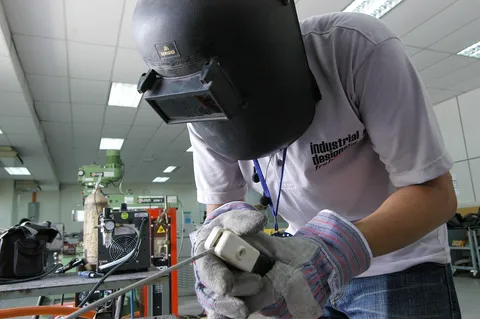
- Cover: „welder, welding, welding operator, engineering, technology”, author: felixioncool, licence Pixabay Content License; cropped or resized.
- Photo 1: „chairs, conference room, contemporary, empty, indoors”, author: Pexels, licence Pixabay Content License; cropped or resized.
Tags
Share with friends