Pound at its strongest since June 2016: what is behind it and what it means
Bank of England data show the pound hit its highest level since June 2016 this week, measured against 18 major currencies. On Thursday morning it was worth about 5.26 PLN.
Author: Editorial teamPublished: 2 min read
Contents
The pound sterling has risen to its highest level since the Brexit referendum in June 2016. According to Bank of England data, the main measure of the pound's value, calculated against 18 of the world's major currencies, reached its highest point since then this week. The news was reported by Polish Express.
What is behind the rise
The pound fell sharply after the 2016 referendum. Further lows came during the UK's exit from the EU, during the pandemic and after the 2022 "mini-budget".
Economists say perceptions of the British economy have changed recently. Factors affecting the rate include:
- relative political stability,
- solid economic growth, which has beaten forecasts this year,
- better relations with the European Union and good prospects for closer ties with the EU,
- a weaker dollar after the Democrats took control of both houses of the US Congress,
- the budget presented by Chancellor John Healey, which sets out cautious tax and spending plans.
Jim O'Neill, an economist and former Treasury minister, said he was not surprised, because people had underestimated the acceleration in UK growth.

Interest rates and the exchange rate
The pound is also supported by expectations that the Bank of England will raise interest rates. Its Monetary Policy Committee was due to make a decision on Thursday. Forecasts pointed to the first rise in three years. Higher rates usually support a currency, but they are bad news for people with loans.
Some analysts believe much of the optimism is already priced in. Goldman Sachs experts said the pricing of Bank of England rate rises looks stretched compared with other G10 currencies, which poses a clear challenge for the pound.
Current rates
On Thursday morning, 5 November 2026, the pound was up 0.13% against the dollar (at 1.3495 USD) and down 0.16% against the euro (at 1.1979 EUR). Against the Polish zloty it was worth about 5.26 PLN.
What this means for you
A stronger pound means transfers to Poland are more favourable: the same amount in pounds buys more zloty. Economists also note that a stronger currency can help curb inflation and increase consumers' purchasing power, for example on imported goods and trips abroad. At the same time, a possible interest rate rise would mean higher costs for people repaying loans. The rate can change quickly, and some analysts warn that the room for further gains is limited.
Sources
This article was prepared automatically by AI from the listed sources and published without prior editorial review. Spotted a mistake? Use the “Report an error in this article” button.
Photos
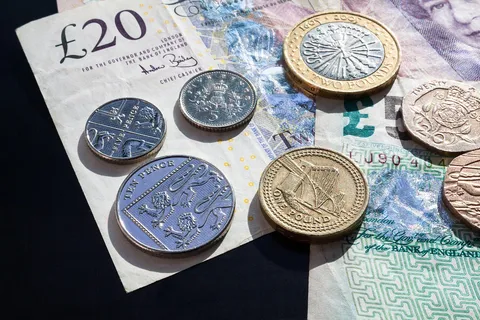
- Cover: „pound, coins, currency, banknotes, money”, author: stux, licence Pixabay Content License; cropped or resized.
- Photo 1: „stock, trading, financial, finance, business”, author: AhmadArdity, licence Pixabay Content License; cropped or resized.
Tags
Share with friends