New rule from 1 November 2026: owners of banned-breed dogs must supervise children
From 1 November 2026, owners of banned-breed dogs in the UK must not leave children under 12 near the dog without adult supervision. It is a new condition of the Certificate of Exemption.
Author: Editorial teamPublished: 2 min read
Contents
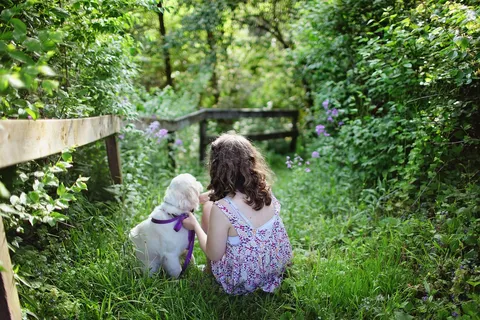
From 1 November 2026, a new condition applies in the UK to people who legally keep banned-breed dogs. They must not leave a child under 12 in close proximity to such a dog without adult supervision. This applies in homes and other private settings, such as a garden.
What is changing
According to the government announcement, the requirement is added to the Certificate of Exemption, the document that allows owners to legally keep a banned-breed dog. The government says the rule is meant to reduce the risk of serious injury to children at home, while allowing exempted dogs to stay with families where proper supervision is in place.
Five breeds or types are banned in the UK: Pit Bull Terrier, Tosa, Dogo Argentino, Fila Brasileiro and XL Bully. Selling, abandoning, giving away or breeding such dogs is illegal. Other rules remain in place, including the requirement for muzzles and leads in public places.

What supervision should look like
The Department for Environment, Food and Rural Affairs (Defra) has published guidance for owners. It says an adult must be present with the child and the dog, ready to step in and separate them immediately if needed. Cameras, baby monitors or video doorbells are not a substitute for an adult being there.
Defra also lists ways to keep children and dogs apart. They can be put in separate rooms with a firmly closed door, kept apart with gates or other barriers, or the dog can be placed in a crate or pen. The department advises planning ahead for moments when supervision is hard, such as cooking, taking a phone call or using the bathroom. It warns that dogs can behave less predictably when stressed, unwell or overstimulated.
Consequences of breaking the rules
The government says failing to comply can lead to, among other things, seizure of the dog and possible prosecution under the Dangerous Dogs Act 1991. Polish Express adds that keeping a banned breed or type without an exemption is itself an offence, punishable by an unlimited fine, up to 6 months in prison, or both. The owner bears the burden of proving the dog is not a banned type.
The government says young children should be supervised around dogs of every breed, although the new legal requirement applies only to banned breeds.
What this means for you
The change affects anyone living in the UK who owns a banned-breed dog, such as an XL Bully, with a Certificate of Exemption. These owners should read the Defra guidance and make sure children are supervised, including when visitors bring young children. Other dog owners have no new legal duty.
Sources
This article was prepared automatically by AI from the listed sources and published without prior editorial review. Spotted a mistake? Use the “Report an error in this article” button.
Photos
- Cover: „child, dog, pet, dress, nature”, author: Pexels, licence Pixabay Content License; cropped or resized.
- Photo 1: „baby, mother, infant, child, female”, author: fancycrave1, licence Pixabay Content License; cropped or resized.
Tags
Share with friends