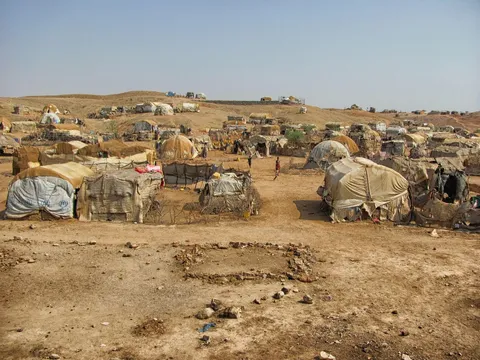
Myanmar guilty of genocide against Rohingya, says ICJ; military rejects ruling
On 19 November 2026 the International Court of Justice found that Myanmar committed genocide against the Rohingya minority. According to the UK government, Myanmar's military has rejected the ruling, and London is announcing further sanctions.
Author: Thames Compass editorial teamPublished: 2 min read
The International Court of Justice (ICJ) in The Hague issued its judgment on 19 November 2026 in the case brought by The Gambia against Myanmar. The Gambia filed the case in November 2019, accusing Myanmar of breaching the Genocide Convention, which covers both preventing genocide and punishing it. The court found that Myanmar's security forces committed genocide against the Rohingya, a Muslim minority, during military operations in 2017. It is the first time the ICJ has found a UN member state responsible for genocide.
Key findings
The court accepted that around 10,000 people were killed during the 2017 operations, based on the evidence presented. Its reasoning pointed to mass killings, sexual violence and forced displacement. The central findings on genocidal acts and genocidal intent were backed by 9 judges, with 6 voting against. The dissenting judges published their opinions alongside the main judgment.
The UK response
Foreign Secretary Ed Miliband said the UK formally acknowledges the genocide committed against the Rohingya. He announced further sanctions against Myanmar's military, additional humanitarian aid for the Rohingya and funding for efforts to hold perpetrators accountable. London also summoned Myanmar's Chargé d'Affaires and said it would convene a meeting of the UN Security Council. A joint statement from the foreign ministers of 14 countries, including Canada, Australia and the Czech Republic, calls on Myanmar to comply fully with the judgment.
Myanmar's position
According to the House of Commons Library, Myanmar's ruling military has rejected the ICJ judgment. The ruling requires the state to stop ongoing violations, investigate and prosecute suspected perpetrators, and provide the Rohingya with reparation, including the chance to return home safely. Whether these measures will be carried out remains uncertain, and the UK government stresses that the judgment does not replace individual criminal accountability.
Sources
- Foreign Secretary statement on International Court of Justice Myanmar judgment: 19 November
- Genocide against the Rohingya and UK response
- Joint Statement on the International Court of Justice decision on Myanmar
- Genocide of the Rohingya. 14 states call on Myanmar to comply with the judgment
- Myanmar refuses to comply with parts of ICJ genocide ruling
This article was prepared automatically by AI from the listed sources and published without prior editorial review. Spotted a mistake? Use the “Report an error in this article” button.
Tags
Share with friends