UK inflation rises to 3.5% in September as diesel prices climb
The ONS says UK CPI inflation was 3.5% in September 2026, up from 3.1% a month earlier. Higher fuel prices were the main driver.
Author: Editorial teamPublished: 2 min read
Contents
UK annual consumer price inflation (CPI) rose to 3.5% in September 2026 from 3.1% in August, according to the Office for National Statistics (ONS). Polish Express reports that the figure was higher than forecast.
Fuel leads the rise
The ONS says petrol and diesel made the largest upward contributions. Diesel rose by 10.7 pence per litre in September, whereas it fell by 0.4 pence in September 2025. The average diesel price was 192.5 pence per litre, the highest since July 2022.
Polish Express reports that petrol rose by 8.2 pence per litre between August and September. Motor fuel prices were 29.8% higher over the 12 months to September, compared with 23.0% the month before. That is the highest annual motor fuel inflation rate since August 2022.
More expensive air and sea travel and higher concert ticket prices also contributed. Polish Express says fuel prices are being driven by the closure of the Strait of Hormuz to most fossil fuel shipments. Brent crude is reported to have passed $100 a barrel and is now around $110. In its bulletin, the ONS links higher energy prices to the conflict in the Middle East.

Other prices
Slower price rises than a year earlier in restaurants and hotels held inflation back. According to Polish Express, food prices rose by 1.3% and clothing prices fell slightly.
Core CPI, which excludes energy, food, alcohol and tobacco, was 2.8%, up from 2.6% in August. Services inflation rose from 3.4% to 3.7% and goods inflation from 2.7% to 3.2%. CPIH, which includes owner occupiers' housing costs, reached 3.6%, up from 3.3% a month earlier. RPI inflation was 3.9%.
Interest rates
The Bank of England's Monetary Policy Committee (MPC) said on 17 September that inflation was expected to rise in the coming quarters, reaching "slightly above 4%" in the first quarter of 2027. The Bank's target is 2%.
Polish Express reports that economists expect a rate rise at the meeting on 5 November 2026. Martin Beck, chief economist at advisory firm WPA, said such a move was almost inevitable. He also warned that higher rates would not increase oil or gas supply and could weaken an already fragile economy.
What it means for UK residents
More expensive fuel may raise the cost of commuting by car and of travel. A possible interest rate rise would matter to people with variable-rate mortgages or those planning to remortgage. For now, this is only economists' forecast, and the Bank of England has not made a decision.
Sources
This article was prepared automatically by AI from the listed sources and published without prior editorial review. Spotted a mistake? Use the “Report an error in this article” button.
Photos
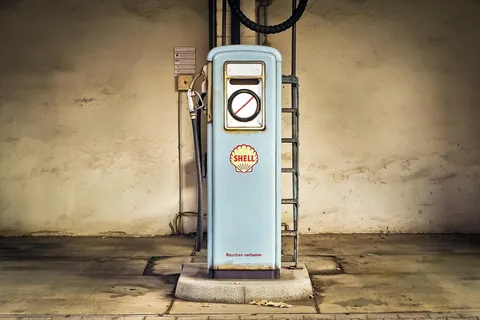
- Cover: „gas pump, petrol stations, petrol, gas, fuel”, author: 652234, licence Pixabay Content License; cropped or resized.
- Photo 1: „supermarket, stalls, coolers, market, food”, author: ElasticComputeFarm, licence Pixabay Content License; cropped or resized.
Tags
Share with friends