Houthi rebels take control of Bab al-Mandab strait, raising shipping and economic risks
Houthi rebels have taken control of the area around the Bab al-Mandab strait, one of the world's most important shipping routes. Yemeni government forces said on Sunday 15 November 2026 that they had withdrawn from the area.
Author: Thames Compass editorial teamPublished: 2 min read
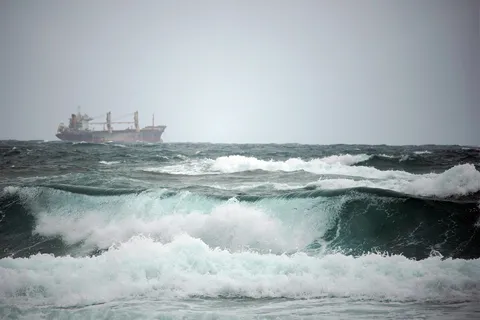
According to Reuters, as cited by Polish media, Yemen's Southern Armed Forces pulled out of Dhubab airport and the area around the Bab al-Mandab strait. Their units are being regrouped towards Aden. The authorities said the move would secure the temporary seat of the internationally recognised government and strengthen the front line against growing Houthi pressure. The Houthis, according to reports, already control most of northern Yemen, including the capital, Sana'a.
The strait links the Red Sea with the Gulf of Aden and forms part of the route between Asia and Europe through the Suez Canal.
Escalation of the conflict
The conflict in Yemen has run since 2015, when Saudi Arabia led a coalition intervening against the Houthis. After a 2022 ceasefire, fighting largely subsided. According to analysts at the House of Commons Library, the Houthis announced a "new phase" in their conflict with Saudi Arabia in June 2026 and later declared a sea and air blockade of Saudi Arabia. They also carried out drone and missile attacks on targets in Saudi Arabia, the first since 2023. Saudi Arabia responded with air strikes.
On 20 October 2026 the UK government announced defensive support for Saudi Arabia: air-to-air refuelling was extended by 90 days, and RAF Typhoon jets were to protect Saudi cities and infrastructure. According to the government, these aircraft will not conduct offensive strikes against the Houthis. On 12 November 2026 the UN Security Council adopted, by consensus, a resolution strengthening the arms embargo on the Houthis. The UK's UN representative said that more than 22.3 million people in Yemen need humanitarian assistance and that more than 330,000 have been displaced.
Economic risks
Around ten per cent of world seaborne trade passes through the Red Sea and the Suez Canal. Control over the strait adds uncertainty to one of the key trade routes. Saudi Arabia is the world's largest oil exporter, and rising tensions in the region could affect energy supplies. The likely impact on prices cannot yet be determined. During a Commons debate on 22 October 2026, one MP argued that instability in the region could raise the cost of living; this was his personal view, not a government forecast.
What this means for people living in the UK
The sources do not point to any change in the rules on residence, work, taxes or travel to the UK linked to this conflict. A possible indirect effect is higher costs for fuel, energy and transport of goods, as analysts and politicians have suggested. People planning travel to the Middle East should check current warnings and airline information, as flight connections in the region may change.
Sources
- Houthis take control of the Bab al-Mandab Strait
- Bab al-Mandab Strait taken over by the Houthis. Threat to oil exports
- Yemen 2026: Southern Transitional Council's fall and renewed Houthi-Saudi conflict
- The Houthis bear full responsibility for the escalation in Yemen (UK Explanation of Vote at the UN Security Council)
- Houthi rebel advance in Yemen may further destabilise global economy
This article was prepared automatically by AI from the listed sources and published without prior editorial review. Spotted a mistake? Use the “Report an error in this article” button.
Photos
- Cover: „sea, wave, nature, ship, ocean”, author: ajs1980518, licence Pixabay Content License; cropped or resized.
- Photo 1: „refinery, oil, industry, gas, silhouette”, author: SatyaPrem, licence Pixabay Content License; cropped or resized.
Tags
Share with friends