Home Office plans live facial recognition cameras for immigration enforcement
The Home Office is developing a programme to use live facial recognition cameras in immigration enforcement. People who have overstayed a visa could also be placed on watchlists.
Author: Thames Compass editorial teamPublished: 3 min read
Contents
The Home Office is preparing a programme to use live facial recognition (LFR) cameras for "general immigration enforcement". The information was reported by Polish Express, citing new guidance for Immigration Enforcement officers. The document was published on 8 October.
What the cameras are for
According to the report, the technology is meant to help identify people attempting to re-enter the UK illegally and those subject to deportation procedures. It is also intended to support efforts against wide-ranging "immigration crime".
The cameras are to locate people without documents so that their cases can be dealt with. The guidance authors say this will cause less "disruption to the general public" than repeated officer visits to homes or workplaces.
People who have overstayed a visa or entered the UK without permission may also be placed on LFR watchlists. These are civil matters, not criminal ones. People under 18 will not be placed on such lists.

Background and trials
The publication follows Home Secretary Shabana Mahmood's decision to double the immigration enforcement budget and increase the number of officers by 60%. This is meant to allow "tens of thousands" more raids, arrests and deportations. According to the source, the LFR project has "already entered a formal implementation phase".
Between November last year and February, three trials were held at the port of Holyhead in north Wales. They focused mainly on people travelling from Ireland through the Common Travel Area who were breaching deportation orders or a court order. The list of places where cameras could be used has been extended to include "proactive" deployments at transport hubs and during events that may increase the number of people in a given place. A Home Office spokesperson said further trials are possible and that the department is exploring the benefits and implications of the technology.
On its GOV.UK page on the subject, the Home Office says Immigration Enforcement uses LFR to identify and locate people it is looking for as part of its duties. The page mentions a trial at Holyhead Port in the week beginning 23 February 2026.
Criticism
The technology has drawn opposition from campaign groups. Sarah Lasoye of Open Rights Group said enforcement agencies "appear to be giving themselves the green light" to expand its use without scrutiny, transparency or public consent. She also pointed to the lack of national rules governing the use of artificial intelligence, including facial recognition, in the public sector. Critics point to documented cases of misidentification in some situations.
What this means for you
The guidance concerns people who have no right to stay in the UK or who have breached the conditions of entry or stay. People with valid status (for example settled status or a visa) should not be targeted by watchlists, but the sources do not explain how people captured incidentally by cameras in public places will be treated. It is worth keeping track of visa and status expiry dates and carrying documents when travelling, especially through ports and stations.
Sources
This article was prepared automatically by AI from the listed sources and published without prior editorial review. Spotted a mistake? Use the “Report an error in this article” button.
Photos
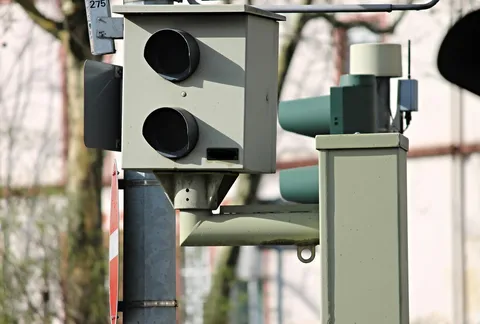
- Cover: „speed camera, flash unit, star box, stationary, control”, author: manfredrichter, licence Pixabay Content License; cropped or resized.
- Photo 1: „ship, ferry, port, harbor, sea”, author: Adlerauge, licence Pixabay Content License; cropped or resized.
Tags
Share with friends