HMRC set to gain power to recover small tax debts directly from bank accounts
According to The Times, HMRC is to receive wider powers to recover tax debts from bank accounts. The changes are due to be announced alongside the autumn Budget.
Author: Editorial teamPublished: 2 min read
Contents
HMRC is set to gain the power to recover even small tax debts by taking money directly from taxpayers' accounts. Polish Express, citing The Times, reports that the changes are due to be announced during the autumn Budget.
How it works now
The rules concern Direct Recovery of Debts (DRD). At present, HMRC can take money from the accounts of debtors who owe more than £1,000. The condition is that at least £5,000 must remain across their accounts after the debt is collected.
The powers were introduced in 2015. They were suspended during the pandemic and reinstated by the Labour Party in 2025.
What will change
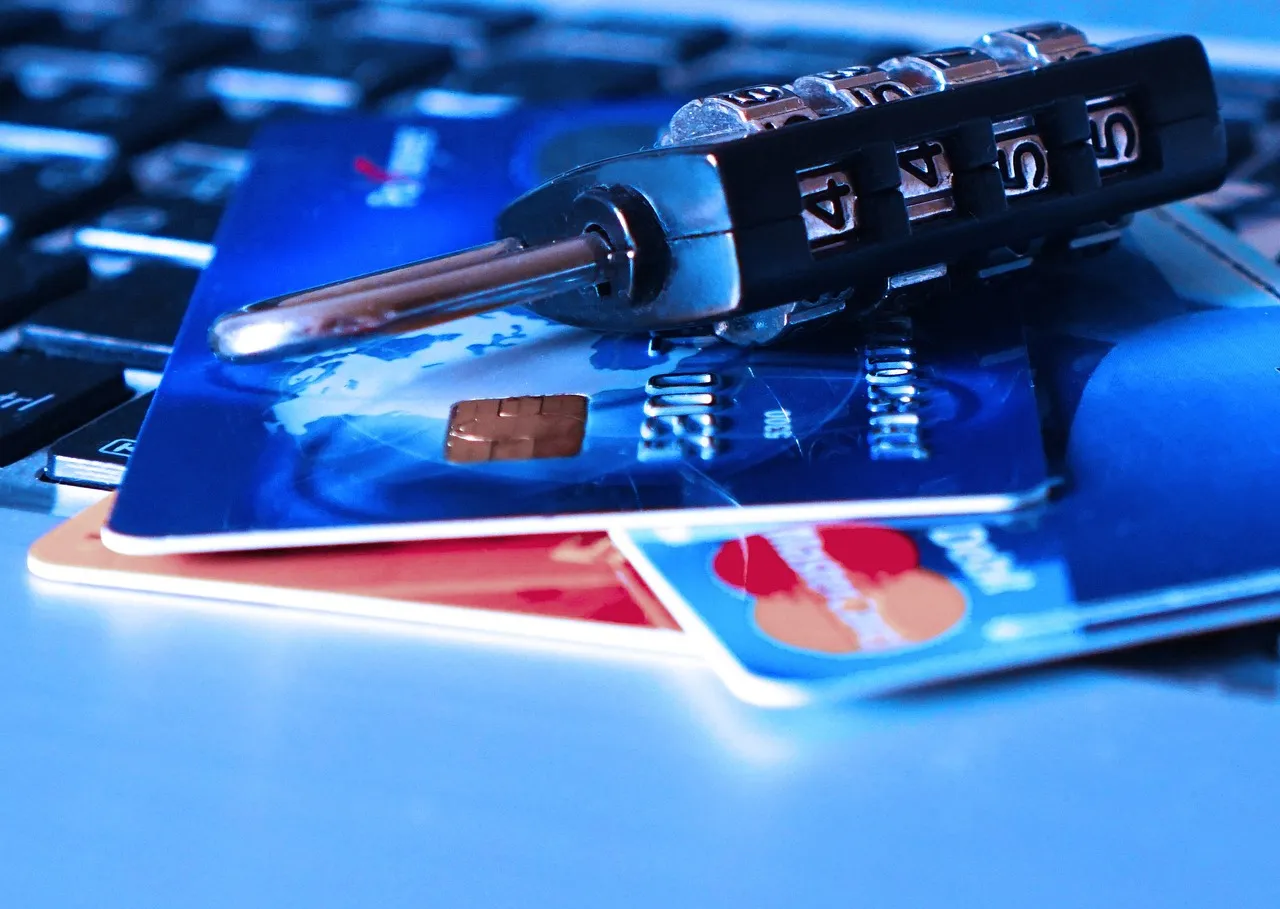
The tax authority is to be able to automatically take money from current and savings accounts. The aim is to recover low-value tax debts, which total £4 billion.
According to The Times, the threshold could be lowered to just a few pounds. This would apply where taxpayers have repeatedly ignored attempts by HMRC to contact them. The amounts taken may also include penalties and interest.
Scale of the debt and concerns
The decision is said to follow summer consultations in which HMRC proposed lowering the threshold. HMRC's analysis shows that around 4.8 million individuals and businesses have debts below £10,000, totalling about £4 billion. The average debt for individuals is £950.
The Low Incomes Tax Reform Group, which supports taxpayers who cannot afford professional advice, says the system needs strong safeguards for people on very limited means. Questions have also been raised over whether HMRC will be able to tell apart people who deliberately avoid contact from those with legitimate reasons, such as illness. Critics also point to the risk that HMRC miscalculates the tax owed and then takes money that is not actually due. The Telegraph has previously described cases of incorrectly calculated tax codes.
A government source told The Times that the new powers will be subject to "rigorous" safeguards.
What this means for you
The changes would affect anyone who owes money to HMRC, including self-employed people and those who file their own tax returns. For now this is only an announcement: the details, including the final threshold, are expected only after the Budget. It is worth checking your post and HMRC online account regularly, replying to letters from the tax office and, if you have trouble paying, contacting HMRC before the matter reaches enforcement.
Sources
This article was prepared automatically by AI from the listed sources and published without prior editorial review. Spotted a mistake? Use the “Report an error in this article” button.
Photos
- Cover: „tax, forms, income, business, paperwork”, author: stevepb, licence Pixabay Content License; cropped or resized.
- Photo 1: „credit card, bank card, theft, charge card, padlock”, author: TheDigitalWay, licence Pixabay Content License; cropped or resized.
Tags
Share with friends