HMRC explains when goods brought into Northern Ireland count as ‘not at risk’ of moving to the EU
HMRC guidance on GOV.UK sets out when businesses can declare goods brought into Northern Ireland as ‘not at risk’ and avoid EU duty. It depends on duty rates and the UK Internal Market Scheme.
Author: Editorial teamPublished: 3 min read
Contents
HM Revenue & Customs (HMRC) has published guidance on GOV.UK for businesses that bring goods into Northern Ireland from Great Britain (England, Scotland and Wales) or from countries outside both the EU and the UK. It explains how to tell whether goods are ‘at risk’ of onward movement to the European Union or ‘not at risk’. The page was first published on 14 December 2020. The GOV.UK feed listed it on 1 November 2026.
What determines the duty
‘At risk’ goods are charged the applicable EU rate of duty. ‘Not at risk’ goods are treated differently:
- no duty is charged if the goods enter Northern Ireland from free circulation in Great Britain,
- UK duty is charged if the goods come from outside both the EU and the UK,
- UK duty is charged if the goods come from Great Britain but were not in free circulation there.
When goods cannot be declared ‘not at risk’
Some goods are automatically ‘at risk’. This applies to goods subject to commercial processing where the business does not meet the additional requirements. It also applies to goods from outside the EU and the UK where the EU rate of duty is higher than the UK rate by 3 percentage points or more.
A business that has moved ‘at risk’ goods may be able to claim a repayment or remission of the import duty paid. It may also be able to claim a waiver within de minimis State Aid limits. HMRC points to separate guidance on both.
When goods can be declared ‘not at risk’
There are two routes. The first is based on duty rates. Goods from Great Britain are ‘not at risk’ if the applicable EU rate of duty is zero. Goods from outside the EU and the UK are ‘not at risk’ if the UK duty is equal to or higher than the EU rate. The comparison must take account of reliefs and preferential rates under trade agreements. So the declaration must include any claims for preference or relief. This route does not require authorisation under the UK Internal Market Scheme. The Customs Declaration Service checks the rates automatically.
The second route is the UK Internal Market Scheme. It applies when the EU rate is higher than the UK rate. All three conditions must then be met:
- the goods are for sale to, or final use by, end consumers in the UK (for imports from outside the EU and the UK: end consumers in Northern Ireland),
- the ‘importer of record’ is authorised under the scheme,
- the goods are not subject to an EU trade remedy.
Businesses that sell goods on must keep evidence that these conditions are met. HMRC gives the example of a wholesaler. It could ask a customer for a signed declaration that a chair will stay in an office in Northern Ireland.
What this means for you
The guidance applies to businesses, not to private individuals. It may matter to people running a business or working in trade, logistics or transport who bring goods into Northern Ireland. HMRC notes that businesses can use the Trader Support Service or hire a person or business to handle customs formalities.
Since 9 June 2023, it has no longer been possible to apply for authorisation under the UK Trader Scheme. Businesses must register for the UK Internal Market Scheme instead.
Sources
This article was prepared automatically by AI from the listed sources and published without prior editorial review. Spotted a mistake? Use the “Report an error in this article” button.
Photos
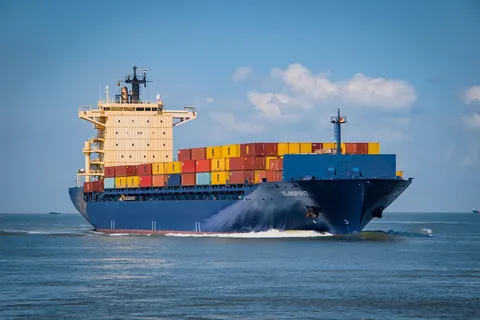
- Cover: „container ship, container transport, seagoing vessel, boat, vessel”, author: dendoktoor, licence Pixabay Content License; cropped or resized.
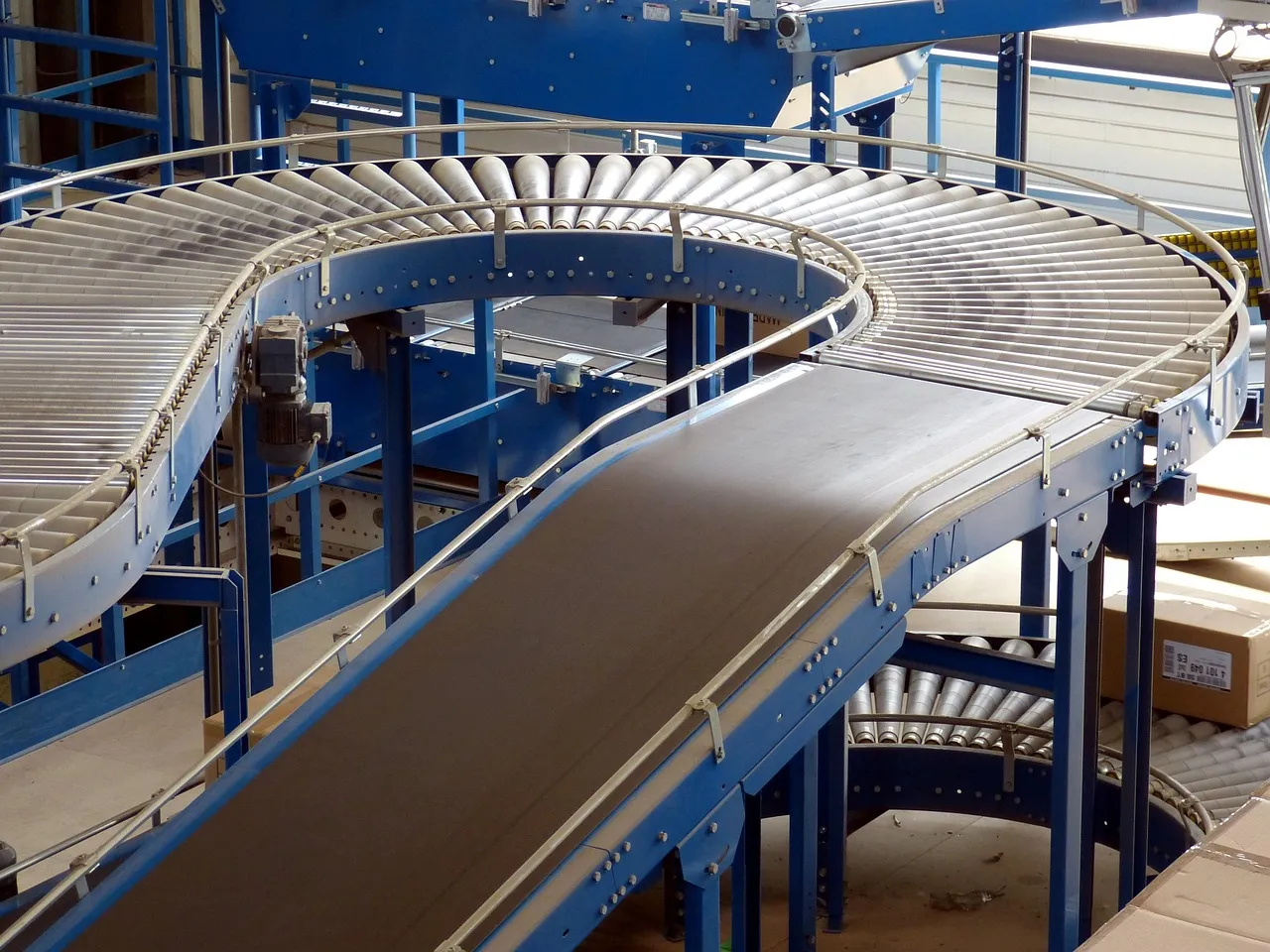
- Photo 1: „factory, nature, plant, industrial hall, logistics”, author: falco, licence Pixabay Content License; cropped or resized.
Tags
Share with friends