Fake police callers target crypto holders: how the scam works and what to do
Scammers posing as British police are phoning victims to try to gain access to their cryptocurrency wallets. Advice: hang up and never share your seed phrase.
Author: Editorial teamPublished: 3 min read

Contents
According to Polish Express, phone scams in which criminals pose as police officers have been on the rise in the UK in recent weeks. Their main target is cryptocurrency wallets, though they also go after payment details.
What the call looks like
Callers introduce themselves as officers from a local force, the Met Police or Scotland Yard. They sound firm and speak English, and the number on the screen may look like a police number. This is spoofing, where a phone number is faked, so the number alone proves nothing.
Victims are usually told that their documents, such as a passport or driving licence, were used in a crime and that an investigation is under way. The caller often knows the victim's address or car registration number. Polish Express says such details usually come from data leaks and databases sold online, not from police systems.
The conversation then turns to cryptocurrency. The victim is supposedly transferred to an employee of an exchange or wallet provider, who guides them step by step to hand over their funds.
What the scammers really want
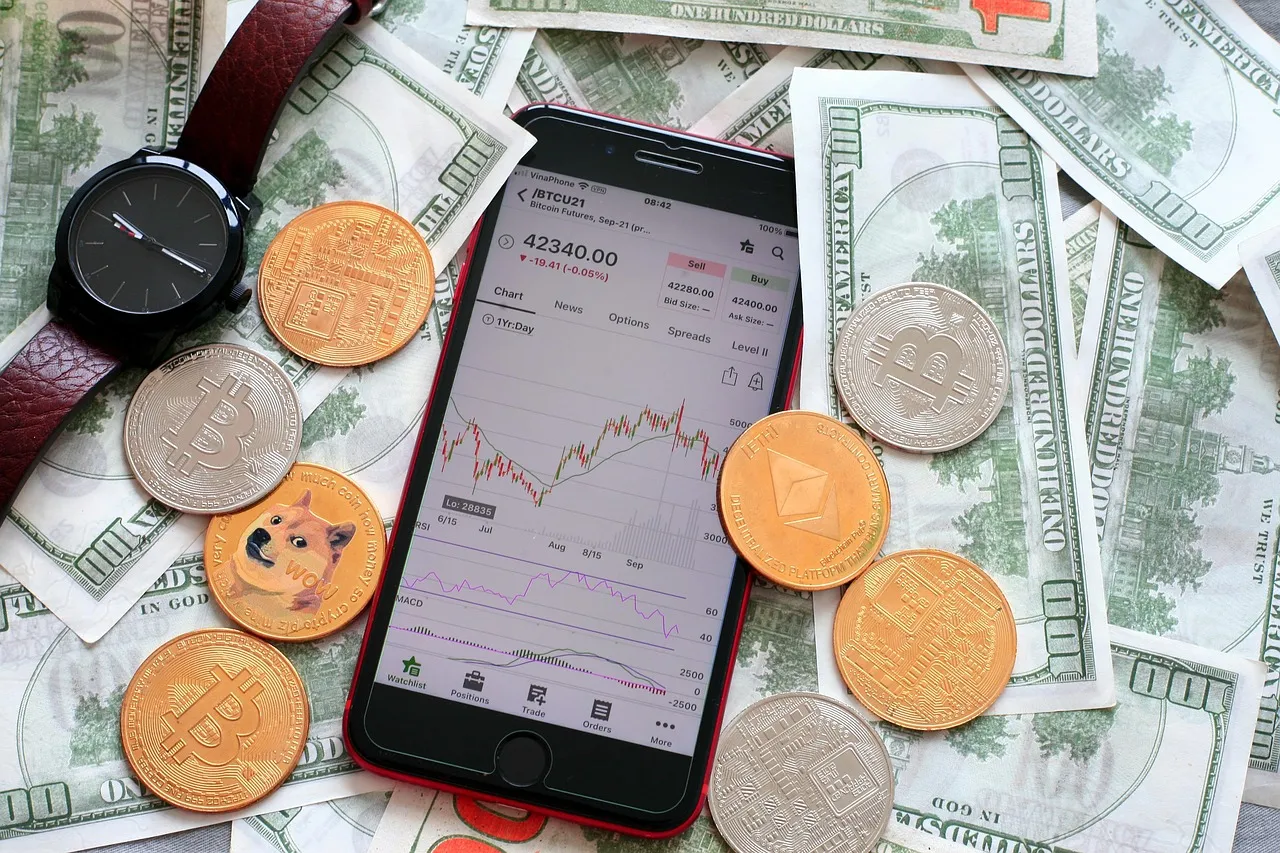
A public wallet address does not let anyone spend the funds. The real target is the seed phrase, usually 12–24 words that act as a master password. Whoever has it can take everything in the wallet. Scammers rarely ask for it directly: they send the victim to a "safe" website, tell them to install software, or ask them to transfer a small sum "for verification".
Local institutions have issued similar warnings. In a notice dated 2 May 2026, Highley Parish Council described a case in which the caller claimed to be a police officer from an "Economic and Cyber Crime Division". He said someone had been detained with the victim's details and asked about cryptocurrency. He even gave a Report Fraud reference number to make the call seem credible.
How to spot a scam
- Time pressure and instructions not to hang up or tell anyone.
- Requests for personal data, passwords, a seed phrase or a transfer "for safety".
- Requests to install remote-access software.
- The call being passed to a supposed exchange employee.
Polish Express quotes a reader who spotted the scam because the caller said the American "drivers licence" instead of the British "driving licence". When he started asking which police station the caller was from, they hung up.
What to do if a "police officer" calls
The author recommends hanging up and contacting the police or your bank yourself, using a number you have found independently. The Highley parish notice adds that after a call on a landline you should wait at least 15 minutes and, if possible, call from a different phone, because fraudsters have been known to keep the line open.
Never give out your seed phrase, private keys or passwords. Do not install remote-access software or send funds "for protection". If someone has obtained your details or money, contact your bank. Report fraud in England, Wales and Northern Ireland through Report Fraud (reportfraud.police.uk, tel. 0300 123 2040), and in Scotland call 101.
What this means for you
Polish Express points out that people who speak English as a second language may find it harder to refuse an official or police officer and end the call. British procedures may also be less familiar. The author stresses that British police do not phone people to ask about their cryptocurrency. It is worth warning family and friends, especially older people and those who invest in crypto.
Sources
This article was prepared automatically by AI from the listed sources and published without prior editorial review. Spotted a mistake? Use the “Report an error in this article” button.
Photos
- Cover: „iphone, hand, girl, smartphone, mobile phone”, author: JESHOOTS-com, licence Pixabay Content License; cropped or resized.
- Photo 1: „chart, stock, market, iphone, dollars”, author: sergeitokmakov, licence Pixabay Content License; cropped or resized.
Tags
Share with friends