Denmark plans to protect faces and voices from deepfakes through copyright law
A Danish bill would give people control over digital copies of their appearance and voice. It had its first reading in parliament on 22 October 2026.
Author: Editorial teamPublished: 2 min read
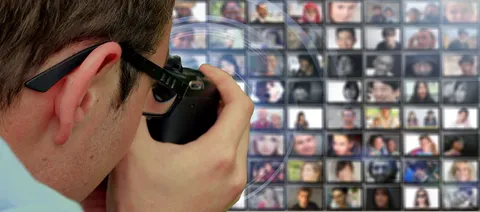
Denmark is working on rules to protect people from realistic deepfakes, meaning fake recordings that use someone else's face or voice. The bill was submitted to the Danish parliament on 8 October 2026 and had its first reading on 22 October.
What the bill provides
Denmark wants to add a new, special protection of personal characteristics to copyright law. It would work in a similar way to exclusive rights. It would cover appearance, voice and way of moving, as well as digital copies of performances by artists. The protection would last for up to 50 years after a person's death.
Exceptions are planned for satire, parody and criticism. They would not cover disinformation that seriously threatens someone's rights or life.
According to a commentator at Antyweb, the bill does not ban training AI models on public material. Nor does it give anyone a monopoly on every photo of themselves. It focuses on publicly sharing realistic copies of a specific person without their consent.
Where the process stands
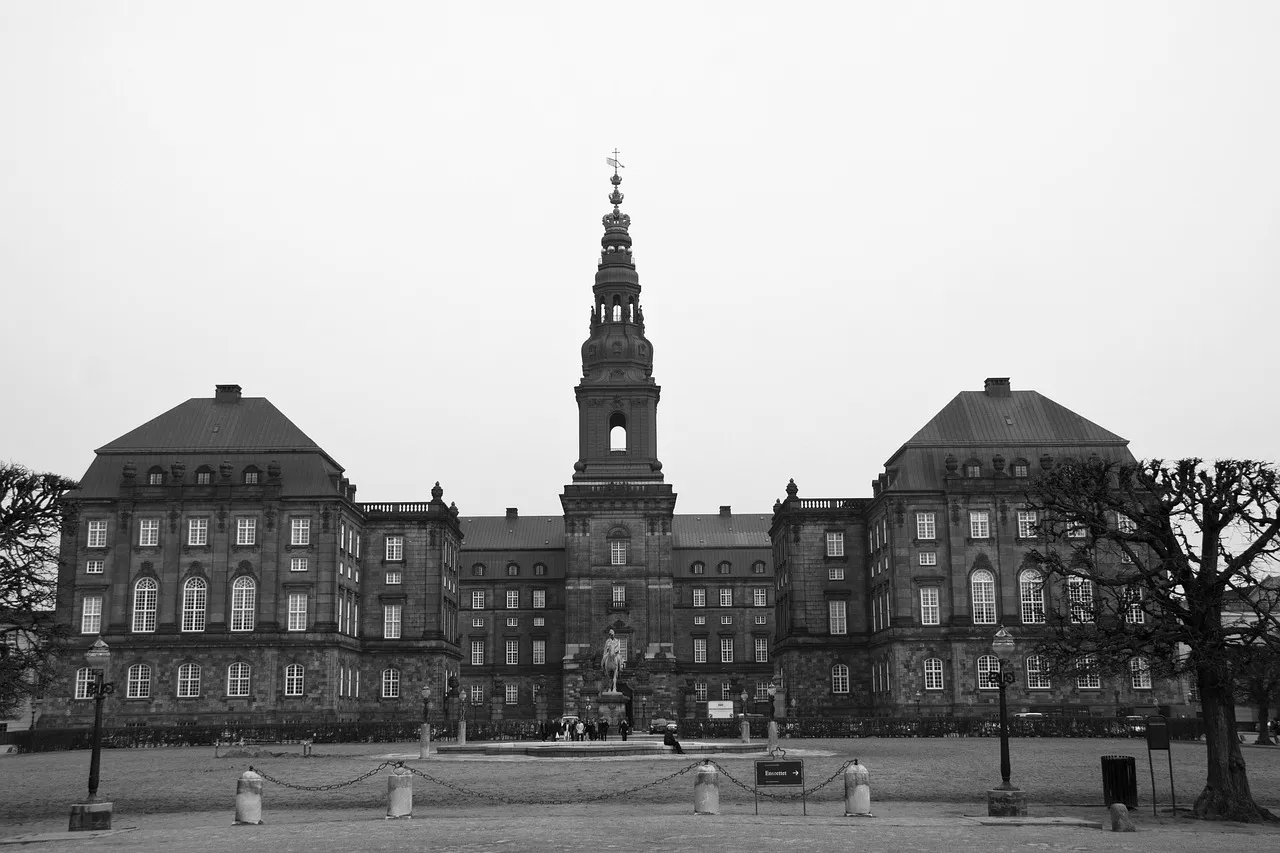
A parliamentary committee is now examining the bill. The culture minister hopes the rules will take effect around the turn of 2026 and 2027. The initiative goes back to a political agreement of June 2025. The government and a broad group of parties then agreed that protection against digital imitations of people needed strengthening.
A Northern Ireland Assembly research paper describes the Danish proposal as a novel approach. It would introduce new personality rights using copyright law. The paper also notes that there is ongoing debate about the best legal framework and whether such rights are needed.
How it looks in Poland
The Antyweb author, Patryk Łobaza, points out that protection in Poland is scattered across several laws. Article 81 of the Polish copyright act requires consent to disseminate a person's image. Articles 23 and 24 of the Civil Code protect personal rights, and their list is open, so it may also cover a person's voice. Image and voice can also count as personal data.
The EU AI Act, in Article 50, requires content generated or manipulated by AI to be labelled. However, that is a transparency obligation, not a right to protection against impersonation. The author argues that Poland needs a clear right to protection against digital imitations of oneself, with a basis for demanding quick removal of content. That is his opinion, not adopted law.
The Danish law is not yet in force, and it would apply in Denmark. It does not directly change the situation of people living in the UK.
Sources
This article was prepared automatically by AI from the listed sources and published without prior editorial review. Spotted a mistake? Use the “Report an error in this article” button.
Photos
- Cover: „photography, taking photos, woman, group, group recording”, author: geralt, licence Pixabay Content License; cropped or resized.
- Photo 1: „christiansborg, castle, black and white, denmark, copenhagen”, author: Bjonsson, licence Pixabay Content License; cropped or resized.
Tags
Share with friends