Cyberattacks on shop refrigeration across Europe: freezer temperatures set as high as 50 degrees
After attacks in France in October 2026, tampered refrigeration systems have been reported in shops in Sweden, Belgium, Luxembourg, Ireland and Estonia. Some food had to be thrown away.
Author: Editorial teamPublished: 2 min read
Hackers are remotely taking over the systems that control fridges and freezers in supermarkets. After waves of incidents in France in October 2026, similar problems have been reported in more European countries. Spider's Web and Polsat News reported this on 2 November 2026, citing Reuters and local media among others.
Where the attacks were detected
Disruption was reported in Sweden, Belgium, Luxembourg, Ireland and Estonia. In some shops the temperature setting was changed to 50 or even 55 degrees Celsius.
- Sweden: ICA and Coop shops had problems. One ICA shop in Sjöbo was set to 50 degrees, and an ICA shop on Öland to 55 degrees. Coop reported similar incidents in six outlets. ICA initially did not say that every case was a cyberattack.
- Belgium: Delhaize confirmed an incident affecting several dozen shops, around 40 according to local media. Carrefour said 15 outlets were hit, and Spar and Intermarché also reported problems. Belgian media wrote that in some units the temperature may have reached 70 degrees, and that food losses came to at least €100,000.
- Luxembourg: Delhaize confirmed disruption to its refrigeration systems and said it had taken steps to protect the safety of products.
- Ireland: SuperValu confirmed a cyber incident affecting 13 shops and withdrew chilled and frozen products.
- Estonia: at one Selver shop, attackers changed the setting to 50 degrees. Technicians from Kitman Coldtech responded after about 10 minutes, so serious losses were avoided.
How the attackers operate
Modern shops use digital refrigeration management systems that allow staff to monitor temperatures remotely and change settings. According to reports, the attackers gained access to such systems, and in Belgium units were switched to defrost mode, among other things. Spider's Web reports that investigators are focusing on older control systems, including products from Danfoss. Some no longer received security updates, and some devices were accessible via the internet.
In France in October, criminals took control of systems in Intermarché, Netto, Coopérative U and other chains. Among other things, they forced extended defrost cycles, and losses were estimated at millions of euros.
Response and unknowns
According to Polsat News, on Monday 2 November 2026 the European Commission described the attacks as a "deliberate attempt to disrupt" EU food supplies and undermine consumers' confidence in their safety. A representative of an Estonian service company noted that the method resembles earlier incidents in France and the Netherlands. That does not prove the same group is behind all the attacks. The mechanism of each incident has not yet been explained, and investigators must establish whether the same vulnerabilities were exploited.
Sources
This article was prepared automatically by AI from the listed sources and published without prior editorial review. Spotted a mistake? Use the “Report an error in this article” button.
Photos
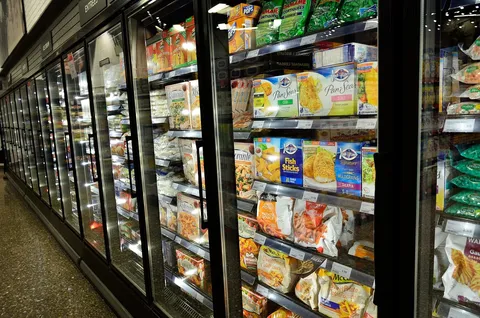
- Cover: „frozen food, supermarket, frozen, cold, freezer”, author: ElasticComputeFarm, licence Pixabay Content License; cropped or resized.
- Photo 1: „hacker, hack, anonymous, hacking, cyber”, author: vickygharat, licence Pixabay Content License; cropped or resized.
Tags
Share with friends