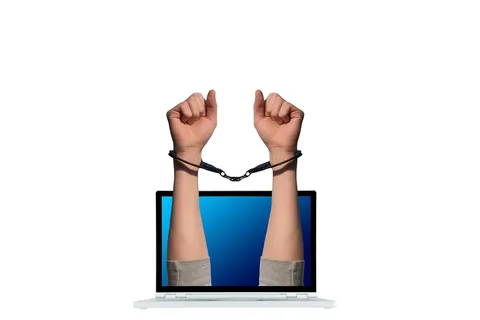
Cyberattack hits BBC, HSBC and TalkTalk sites. What to do if you used them
On 16 November 2026, malicious code inserted into the Optimizely testing tool reached the websites of 178 organisations, including the BBC, HSBC and TalkTalk. The code could capture card details and swap cryptocurrency wallet addresses.
Author: Thames Compass editorial teamPublished: 3 min read
Contents
The attackers did not break into each company separately. They targeted Optimizely, a platform that firms use to test the look and content of their websites. The malicious code was added to customers' projects on that platform, and visitors' browsers loaded it from the provider's trusted domain. The websites themselves were not taken over, but their users could be exposed.
Scale of the incident
Security researcher Scott Helme checked 1,611 Optimizely scripts and found malicious changes in 188 of them. These affected sites belonging to 178 organisations. The list included the BBC, HSBC, IKEA and CNN, according to a Reuters report cited by the Polish newspaper Rzeczpospolita. The Polish portal Polish Express also names TalkTalk, Virgin Media and O2. The number may be incomplete, and not every company on the list was attacked through a breach of its own systems.
According to Polish Express, the code was active from about 4:20 to about 21:00 British time on 16 November. Optimizely reportedly said an unauthorised person exploited a gap in the account sign-up process for its Experimentation module, and that the company has closed it.

What the malicious code could do
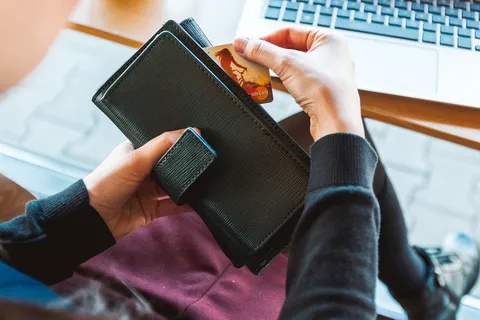
The script reportedly swapped cryptocurrency wallet addresses, including those copied to the clipboard, so that transfers could go to criminals. It captured card numbers, expiry dates and CVV codes entered into forms on the page. Payments made in external payment windows, such as those run by Stripe or Adyen, were reportedly out of its reach. It also sent cookies and screenshots onward.
Polish Express also reports that on iPhones and iPads running iOS 18.6 or earlier, the code loaded exploit kits. The vulnerabilities are said to have been fixed in iOS 18.7.3 and 26.3.
Am I at risk?
Simply visiting a site did not mean your data was stolen. The risk mainly applied to people who entered card details on one of these sites, copied a cryptocurrency address or made a transfer on 16 November, as well as users of older versions of iOS.
What to do
- Update your iPhone or iPad to iOS 18.7.3 or 26.3 or later.
- Check that any crypto transfer reached the address you intended.
- Review your bank statements, especially transactions from 16 November onwards.
- Report unauthorised payments to your bank as soon as possible. Report fraud to the police: in England, Wales and Northern Ireland via Report Fraud (reportfraud.police.uk, tel. 0300 123 2040), and in Scotland by calling 101.
- If you copied cryptocurrency addresses on an affected site, log out of exchange accounts and change your passwords.
What this means for you
People living in the UK who made purchases, card payments or crypto transfers on one of the listed sites on 16 November should check their statements and keep their phone software up to date. The affected sites include British service providers that many people use, so it is worth watching for unusual transactions.
Sources
This article was prepared automatically by AI from the listed sources and published without prior editorial review. Spotted a mistake? Use the “Report an error in this article” button.
Photos
- Cover: „wallet, money, credit card, online, shopping”, author: JESHOOTS-com, licence Pixabay Content License; cropped or resized.
- Photo 1: „sea, ocean, beach, sunset, sunrise”, author: Leolo212, licence Pixabay Content License; cropped or resized.
Tags
Share with friends