The NHS in practice: your GP, 111, 999 and the pharmacy
How to register with a GP, when to call 111 or 999, what a pharmacy can treat without an appointment, and what prescriptions and dental care cost in England (as of 2026). No medical advice.
Author: AdministratorPublished: 6 min read
Contents
In short
- You can register with a GP in England without proof of identity, proof of address or proof of immigration status.
- Call or go online to 111 when you need medical help but it is not a life-threatening emergency. 999 is only for when a life is at risk.
- Many minor conditions can be dealt with at a pharmacy, without seeing a GP (the Pharmacy First service).
- In England a prescription costs £9.90 per item (as of October 2026); in Scotland, Wales and Northern Ireland prescriptions are free.
- NHS providers are expected to provide a free interpreter for your appointment (government guidance); ask for one when you book.
- This guide describes the system in England. It is not a substitute for advice from a doctor.
Who can use the NHS
Most NHS services are free for people who are ordinarily resident in the UK, meaning living here lawfully and on a settled basis; you may be asked to prove this. Being registered with a GP is not a condition of this entitlement. Key points:
- EU citizens who were living in the UK before the end of 2020 use the NHS on the basis of the EU Settlement Scheme (settled or pre-settled status). The NHS says you may be asked to show your status when you receive treatment. Anyone who did not apply by 30 June 2021 may lose the right to free care.
- People on a visa of more than 6 months who have paid the Immigration Health Surcharge (or are exempt from it) get free hospital treatment on broadly the same terms as people ordinarily resident in the UK, for as long as their visa is valid. Prescription and dental charges still apply.
- Some services are free for everyone, including visitors: among them A&E (this does not cover treatment once you are admitted to hospital), family planning (excluding abortion and fertility treatment), and treatment for most infectious diseases, including sexually transmitted infections.
If you are unsure about your situation, contact Citizens Advice before deciding to go without treatment, and in an emergency do not hold back from going to A&E.
Registering with a GP, your NHS number and the NHS App
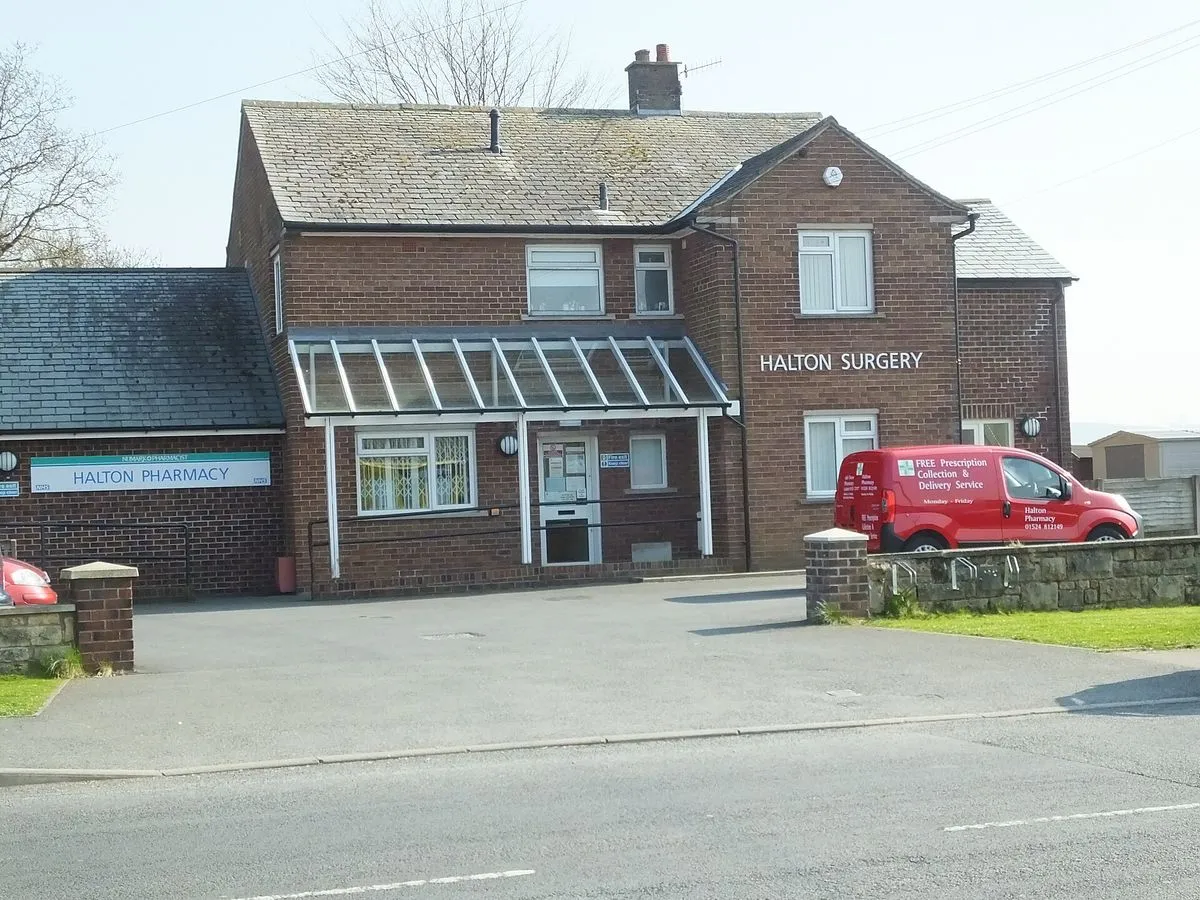
- Find a GP surgery near you on nhs.uk.
- Register online (if the surgery offers it) or at reception. Confirmation usually arrives within about 5 days.
- You do not need an NHS number, but if you have one it makes it easier to find your records. The surgery may ask for extra documents, for example when transferring your records.
A surgery can refuse to register you if it is not taking new patients, you live outside its catchment area, or you were previously removed from its list. It must then explain why in writing within 14 days. You can contact your local integrated care board (ICB), Citizens Advice or Healthwatch. Visitors can register as temporary patients for up to 3 months.
The NHS App: for people aged 13 and over who are registered with a GP surgery in England. Once it is set up you can, among other things, see your NHS number under Profile (NHS App). You can also log in through the NHS website without downloading the app.
111 or 999? A&E or an urgent treatment centre?
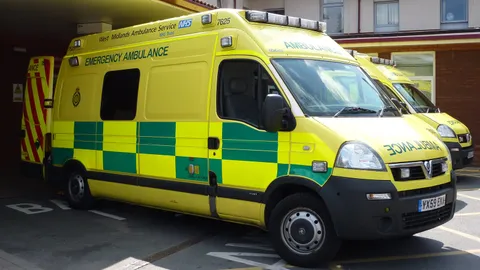
Call 999 in life-threatening situations, for example a serious road accident, a stroke or a heart attack. The call handler will ask where you are and what has happened. An ambulance is not always sent; you may be told that you can safely make your own way to A&E.
111 (online at 111.nhs.uk or in the NHS App for people aged 5 and over; by phone on 111, including for children under 5) helps when you need medical help and cannot get to your GP or the surgery is closed. Depending on your symptoms, 111 will direct you to, for example, an urgent treatment centre, an out-of-hours doctor or a pharmacy, or tell you to call 999. You can ask for an interpreter. Through 111 online you can also request an emergency supply of your regular medicines from a pharmacy and find an emergency dentist. 111 online does not issue fit notes and does not book appointments.
A&E is open 24 hours a day and is for serious injuries and life-threatening conditions; patients are seen in order of urgency, so waits can be long. An urgent treatment centre (UTC) deals with urgent problems that are not life-threatening, such as minor injuries, suspected broken bones, skin problems or a high temperature. You do not need to be registered with a GP or have a permanent address to use a UTC. Not sure? Start with 111.
Pharmacy First: the pharmacy without a GP appointment
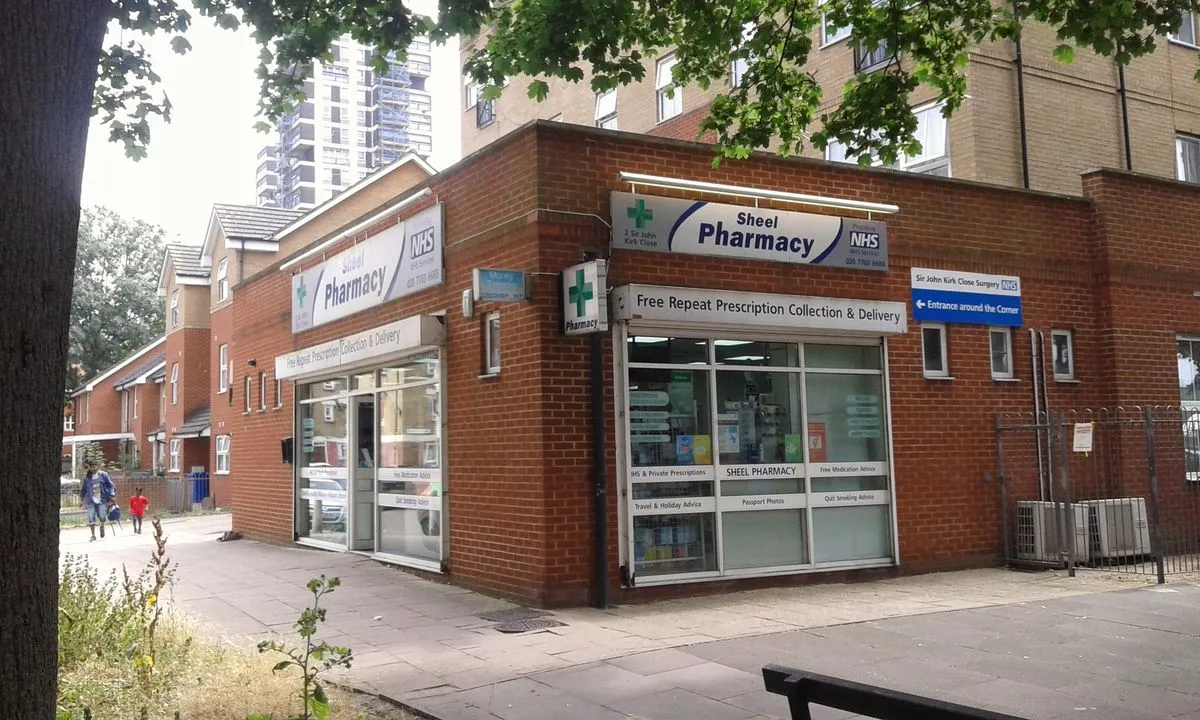
In England a pharmacist can assess and treat seven conditions without a GP appointment and without a referral. You simply walk into the pharmacy (as of October 2026; minimum ages according to NHS England in brackets):
- sinusitis (aged 12 and over),
- sore throat (aged 5 and over),
- earache (aged 1 to 17),
- infected insect bite (aged 1 and over),
- impetigo (aged 1 and over),
- shingles (aged 18 and over),
- uncomplicated urinary tract infection in women (aged 16 to 64).
The pharmacist follows set clinical pathways and, where appropriate, supplies medicines. If they cannot help, they will refer you to a GP or A&E. You can also find the list of conditions with the age limits on the NHS website.
Prescriptions and charges (England)
The prescription charge is £9.90 per item (as of October 2026; the charge changes from time to time, so check the current amount: NHS). A prescription for three medicines means paying three times. Some items, such as contraception, are always free. If you need a lot of medicines, a prescription prepayment certificate may work out cheaper; check current prices with the NHSBSA. Exemptions cover, among others, under-16s, 16 to 18-year-olds in full-time education, people aged 60 and over, holders of a valid medical exemption certificate, women who are pregnant or have given birth in the last 12 months (once a MatEx certificate has been issued) and people on a low income (who is exempt). Do not claim an exemption you are not entitled to, as you could face a penalty.
Scotland, Wales and Northern Ireland: prescriptions are free (NHSBSA for Scotland and Wales, nidirect for Northern Ireland). The rules for England do not apply in these countries.
Dentists and opticians
NHS dentist (England) – charges in force from 1 April 2026. The charges change every year on 1 April, so they may be different from 1 April 2027 – check the current amounts: NHS:
- Band 1: £27.90 (check-up, X-rays, scale and polish),
- Band 2: £76.60 (fillings, root canal treatment, extractions),
- Band 3: £332.10 (crowns, dentures, bridges),
- urgent treatment: £27.90.
You pay one charge for the whole course of treatment, at the level of the highest band. You can phone an NHS dentist directly and ask for an NHS appointment; available places can be hard to find. If you cannot find a dentist, contact your ICB. Charges are different in Scotland, Wales and Northern Ireland.
Optician: free NHS sight tests are available to, among others, under-16s, 16 to 18-year-olds in full-time education, people aged 60 and over, people with diabetes or glaucoma and people with an HC2 certificate (full list). Everyone else pays at the optician.
Mental health and interpreters
NHS Talking Therapies (talking therapy for anxiety and depression): you can refer yourself, without a diagnosis and without a referral. You usually need to be 18 or over (16 and over in some areas), and whether you need to be registered with a GP depends on the area. You can find the service on the NHS website. This is not emergency help: in a crisis, use the support described on the NHS website, and if a life is at risk, call 999.
Interpreters: according to government guidance, NHS providers should provide interpreting free of charge to the patient. When you book an appointment, say that you need an interpreter and for which language (for example Polish). You should be given a professional interpreter, and you are under no obligation to ask family members to help. Children should not interpret (GOV.UK).
Scotland, Wales and Northern Ireland
Each country has its own health service: in Scotland NHS inform and NHS 24 (on 111), in Wales NHS 111 Wales, in Northern Ireland nidirect. The rules on registration, prescriptions and charges may differ.
Where to get help
- NHS – search for GPs, pharmacies, dentists and UTCs.
- 111 – urgent problems that are not life-threatening; 999 – when a life is at risk.
- Your local integrated care board (ICB) – if you cannot register with a GP or find a dentist.
- Healthwatch and Citizens Advice – complaints, refused registration, questions about your status.
Sources
Information verified:
- How to register with a GP surgery
- Moving to England from EU countries or Norway, Iceland, Liechtenstein or Switzerland
- Moving to England from outside the European Economic Area (EEA)
- How to access NHS services in England if you are visiting from abroad
- When to call 999
- When to use NHS 111
- NHS England's Pharmacy First service
- How pharmacies can help
- NHS prescription charges
- How much NHS dental treatment costs
- Find NHS talking therapies for anxiety and depression
Photos
- Cover: „Emergency Ambulance”, author: lydia_shiningbrightly, licence CC BY 2.0; cropped or resized.
- Photo 1: „Halton High Road GP Surgery 6265”, author: Clem Rutter, licence CC BY-SA 3.0; cropped or resized.
- Photo 2: „NHS pharmacy London UK”, author: Will Apse, licence CC0 1.0; cropped or resized.
Tags
Share with friends