Troubles Bill returns to the House of Commons. NI Secretary: this is not an amnesty for soldiers
MPs are debating amendments to the bill on the legacy of the conflict in Northern Ireland. According to the BBC, the Northern Ireland Secretary insists that the bill does not amount to an amnesty for soldiers.
Author: Editorial teamPublished: Region: Belfast2 min read
Contents
The Northern Ireland Troubles Bill, which deals with accountability for crimes committed during the conflict in Northern Ireland (The Troubles), has returned to the House of Commons. On 19 October 2026, MPs took up amendments to the long-awaited legislation. As reported by BBC News, the Northern Ireland Secretary argues that the bill is not an amnesty for soldiers.
Where the bill stands
According to a House of Commons Library briefing, the bill was introduced to Parliament on 14 October 2025, and its second reading took place in November 2025. The bill was carried over to the 2026–27 session and reintroduced in May 2026. The House of Commons is considering it as a Committee of the Whole House on 19 and 20 October 2026. Just before this stage, the option of carrying the work over to the next session was extended.
What the bill is meant to replace
The bill is intended to repeal and replace the Legacy Act, the legislation passed under the previous government. Its most contentious element was immunity. During the House of Commons debate on 27 April 2026, Hilary Benn, named in the transcripts as the government's representative on this matter, said that immunity had no support in Northern Ireland. He added that the domestic courts had found it incompatible with international obligations and that it had never been brought into effect. According to Benn, it was also rejected by members of victims' families, and the three veterans' commissioners are not calling for immunity, but for fair treatment under the law.
Disputes over the changes
According to the House of Commons Library, the decision to repeal the Legacy Act was welcomed by politicians and victims' groups in Northern Ireland. However, some MPs raised reservations, and veterans who served in Operation Banner protested against the decision. In the April debate, some also said that any protections for the armed forces do not cover officers of the Royal Ulster Constabulary and other forces operating in Northern Ireland.
The government also described earlier action in a statement: a Remedial Order was meant to remove the immunity provisions which, in the government's view, would have given an amnesty to perpetrators.
What happens next
According to the schedule, the debate on the amendments will run on 19 and 20 October 2026. We have not confirmed the detailed content of the amendments or the results of any votes in the available sources, so we do not give them in this article.
Sources
This article was prepared automatically by AI from the listed sources and published without prior editorial review. Spotted a mistake? Use the “Report an error in this article” button.
Photos
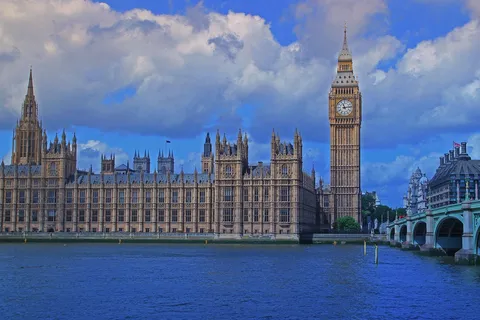
- Cover: „london, houses of parliament, parliament, big ben, england”, author: sarahlarkin, licence Pixabay Content License; cropped or resized.
Tags
Share with friends