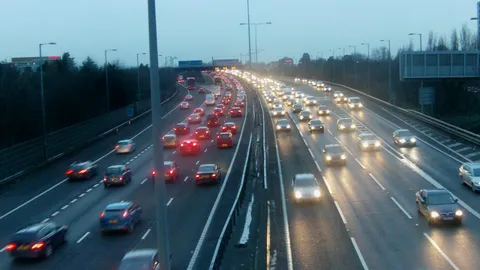
New private parking code: 5 minutes to decide, 10 to leave and lower charges for minor errors
On 20 October 2026 the government laid a code of practice for private parking operators before Parliament. It gives drivers new appeal rights, grace periods and a cap on charges.
Author: Editorial teamPublished: 2 min read

Contents
On 20 October 2026 the UK government laid a new Private Parking Code of Practice before Parliament. It is meant to give drivers stronger ways to challenge unfair charges.
What the code changes
Drivers are to be guaranteed 5 minutes to decide whether to park, and 10 minutes to leave once their paid session ends.
Charges will be cancelled on appeal for honest mistakes, such as stopping briefly to check directions. The same applies to situations such as a medical emergency, a breakdown or a broken ticket machine. Drivers must provide evidence that one of the scenarios in the so-called Appeals Charter applies.
For smaller slip-ups the charge on appeal will be capped at £20. These include forgetting a parking permit, entering the wrong vehicle's registration or forgetting to confirm it in the machine.
The maximum parking charge is frozen at £100.
Enforcement and oversight
Operators that do not comply may lose access to DVLA data. That would make it much harder for them to identify the registered owner and pursue payment.
Companies will have to report data on the charges they issue and how they handle appeals. This will be scrutinised by a new independent Scrutiny and Oversight Board, which will be set up once the code comes into force. The code will apply in England, Scotland and Wales.
The changes follow a public consultation that ran from July to September 2025 and received 4,526 responses from the public and industry. The government plans to consult further on the remaining recommendations of the CMA (the Competition and Markets Authority).
Prime Minister's comment
Prime Minister Andy Burnham said that being a few minutes late back to your car, or getting one digit of your number plate wrong, should not end with a hefty fine landing on your doormat.
When will it take effect?
Parliament will first have time to scrutinise the code. According to the government statement, ministers want to bring it into force as soon as possible. Polish Express reports that this is due by the end of 2026, but that date does not appear in the government's statement.
What this means for drivers
The rules affect everyone who uses private car parks, for example at shops, hospitals or railway stations. Until the code comes into force, the current rules do not change. Afterwards, drivers who receive a charge for a minor mistake should check whether their situation falls under the Appeals Charter and gather evidence (for example proof of a breakdown).
According to figures cited by Polish Express, private firms issued a record 16.9 million charges in the year to the end of March, compared with 14.4 million a year earlier.
Sources
This article was prepared automatically by AI from the listed sources and published without prior editorial review. Spotted a mistake? Use the “Report an error in this article” button.
Photos
- Cover: „plough, street, winter, snow, cold”, author: qimono, licence Pixabay Content License; cropped or resized.
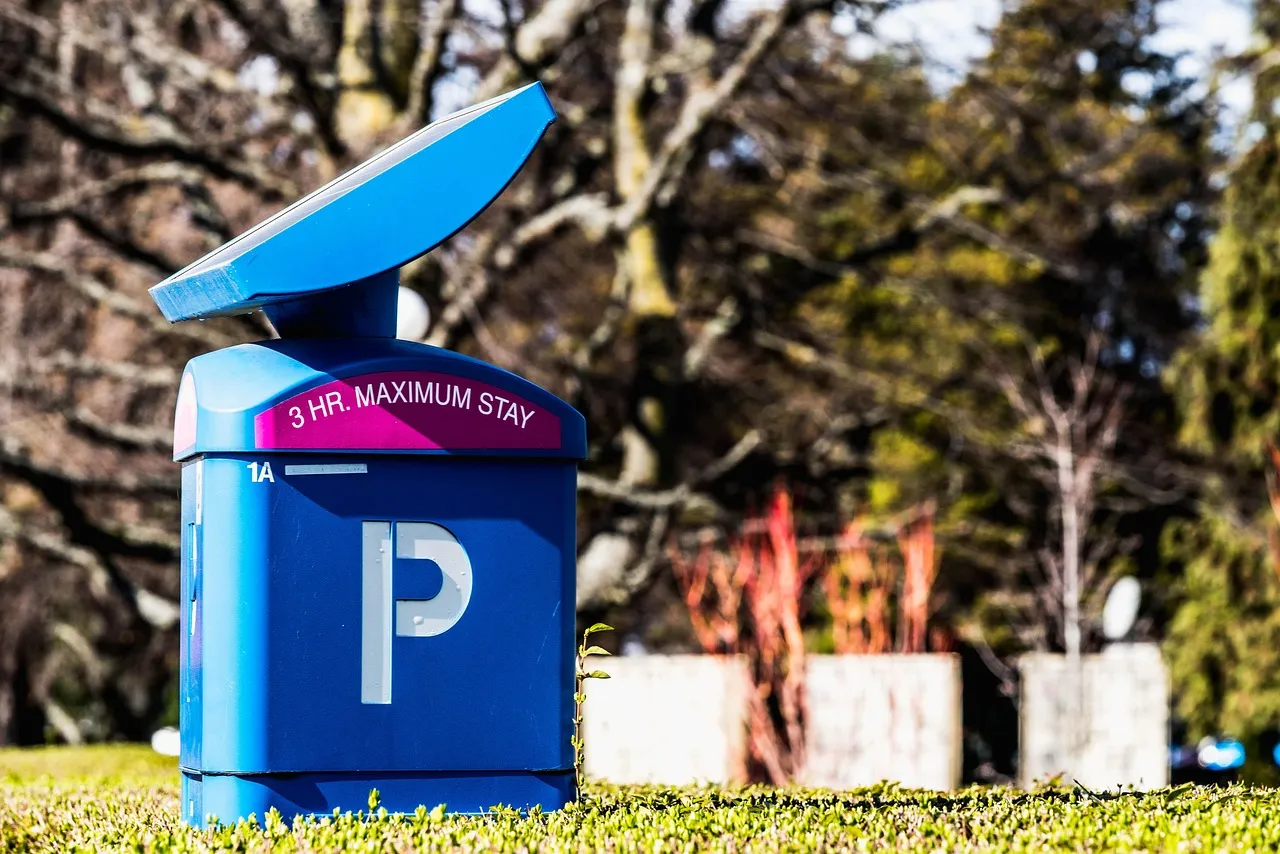
- Photo 1: „p, parking, solar, minimalist, 3 hours max”, author: Vladvictoria, licence Pixabay Content License; cropped or resized.
Tags
Share with friends